





 My cookie preferences
1. Language, religion and socio-cultural practices
EDIS focuses on the role of majority and minority groups as well as of accommodation policies within the broad debate of minority protection, minority rights instruments, freedom of/from religion, migration-security nexus, and linkages between old and new minorities.
2. Human rights inclusion policies
EDIS analyses multilevel governance of migration, minority regions and policies encompassing unity and diversity; the group approaches common values from different perspectives, identifying the needs and interests of various individuals and groups, majority and minorities.
3. Equality and non-discrimination
EDIS tackles issues related to multiple diversity governance, affirmative actions and intersectionality especially in terms of nationality, gender, and religious/linguistic/cultural characteristics, while paying specific attention to superdiversity, diasporas and their relationship with home-and-kin-states.
The group contributes to the academic scholarship on diversity governance with a comparative approach following from studies on historical minorities, new minorities and indigenous peoples that, with few exceptions, have been traditionally and largely studied in isolation from each other.
By encompassing different minority groups, EDIS also adds new perspectives on specific groups such as religious groups (e.g., European and non-European Muslim communities), Urbanized Indigenous Migrants, and non-territorial minorities as Roma, Sinti and Travellers.
EDIS combines techniques based on legal, political, and religious science in order to develop an innovative interdisciplinary perspective on diversity governance. EDIS applies an interdisciplinary and inter-sectorial approach, mainly based on qualitative and mixed methodologies.
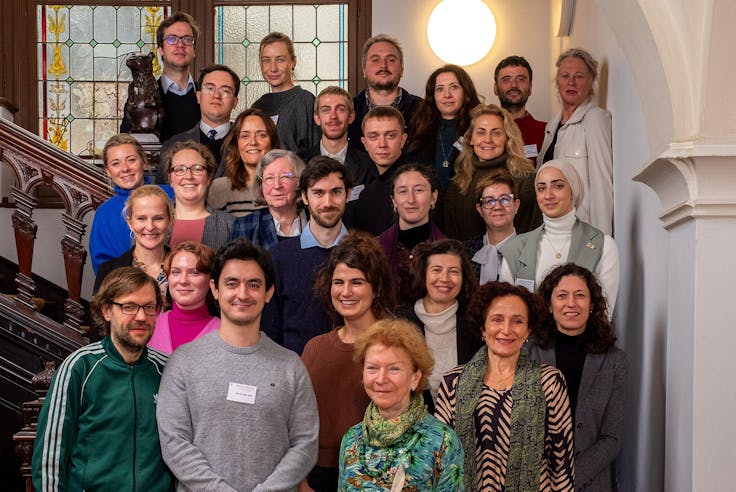
Research methods include the critical analysis of legal documents and judgments from national and international courts, the hermeneutical analysis of core religious texts and doctrines, comparative appraisal of policies and instruments destined for the accommodation of cultural and linguistic claims, and analysis of qualitative and quantitative data. This approach is well reflected in the team and its networks.