


Is Generative AI Just a Very Smart Hammer?
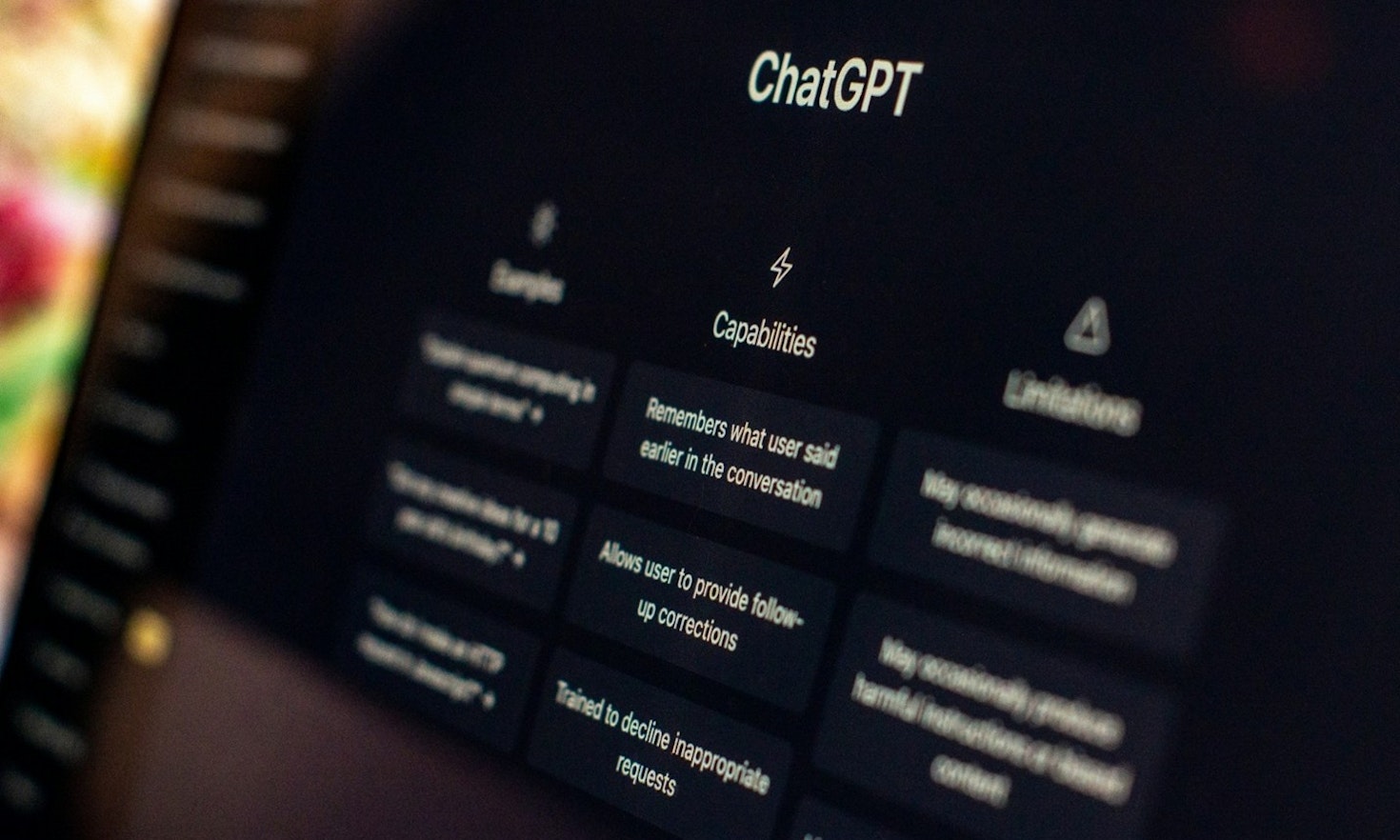
Beyond hype and fear, don’t lose sight of what this technology actually is.
It is no secret that in recent years AI has stepped into our lives through the front door. From the first ChatGPT model, a funny, strange thing not suitable for serious work, to the current state-of-the-art commercial generative AIs: capable models that can generate, with little to no supervision, almost any kind of content wanted by the user.
As this technology becomes more mainstream by the day, it is now clear how easy and accessible generating any kind of content has become. Images, graphs, texts, code, videos, or even music are just one line of text away, regardless of the user’s own skill set or knowledge of the subject. While amazing from a technical point of view, these developments are a source of concern for many. People fear for their jobs as AI gets better; some people already think that the human factor is not needed in the workplace anymore and offer “AI workers” to companies (intra.ai, or ai.work, for example). Art is also on the line. Is an image generated by a model “art”? What about music? Can we just demote all art-related jobs to hobbies and make executives produce the art they need for the company by asking an AI? Well, executives are quick to cut positions to save a buck, and the idea of a 24/7 worker that doesn’t get sick or ask for “rights” is very appealing.
Right now, it looks like big companies and executives around the world see generative and agentic AI as a miraculous silver bullet technology, two letters that have the power to be put everywhere and magically cut costs and increase profit. But I know you are screaming with me at the screen right now. While it is absolutely true that AI can be used to automate some jobs, if you have ever used it seriously for work or on a personal project, you know that we are far from a “set it and forget it” mindset.
In my opinion, we cannot consider AI anything more than a tool like a hammer or a pen. I know, I know, that’s a bold claim: a pen or a hammer is not even close to the power of generative AI. Getting a pen will give you nothing if you don’t know how to write, while you may simply ask by voice an AI to write a mind-blowing thriller and you will get it! ...or will you? That’s the point: not all AI-generated content is equal. You can ask a model, “Write a story”; after a few seconds, it will be there, but it will probably be extremely boring, bland, and a little bit cringe. Start publishing dozens of those stories and here you are: you have just created AI slop. In 2025 the American Dialect Society named “Slop” word of the year and defined it as “digital content of low quality that is produced usually in quantity by means of artificial intelligence”.
The quality of the AI’s output is not defined only by the model itself; the user has an active role that makes the difference between slop and quality. Thinking that you can just fire a professional and do the same things by yourself by asking an AI "please" is both wrong and naive. If you want quality from an AI, you must know what you are doing. For a good result, a prompt (what you write to the AI) needs to be clear and spot on; you need to know what you want and all the steps needed to achieve it. You draft the blueprint; the AI lays the bricks. Any other use of generative AI will lead to unpredictable and unsatisfying results, unacceptable for anyone who has high standards.
This is the reason why I see generative AI as a tool. If given to talented professional, it will boost their work, saving time and retaining quality. Ask a random person to do the same work with the same AI, and the result will not even be comparable.
AI is a new tool that evolves fast, faster than our society’s ability to adapt. We now live in an era where “something” is not better than “nothing” anymore. Everybody can do everything, but the distance between good and bad work has never been bigger. Uninformed use of AI can lead to content that is not only bad but actively poisonous for society and our well-being. AI should not be demonized or praised but just seen as it is: a powerful tool accessible to everyone. As such, it should be our first priority to teach everyone how to use it properly and not to trust it blindly. With time, I believe it will become a foundational part of our lives. Whether this is for better or worse depends entirely on us.

Simone Baratella
Simone Baratella is a multidisciplinary researcher whose background spans cognitive neuroscience and computational linguistics. His current work focuses on multimodal generative AI, automatic speech recognition, and AI safety, always pushing for a holistic approach to AI research.
Discover
Making research visible.
Find the connected experts, projects, publications, and research areas behind this blog post.


This content is licensed under a Creative Commons Attribution 4.0 International license except for third-party materials or where otherwise noted.








 My cookie preferences