Finland-Swedes in everyday life – Part 1: School
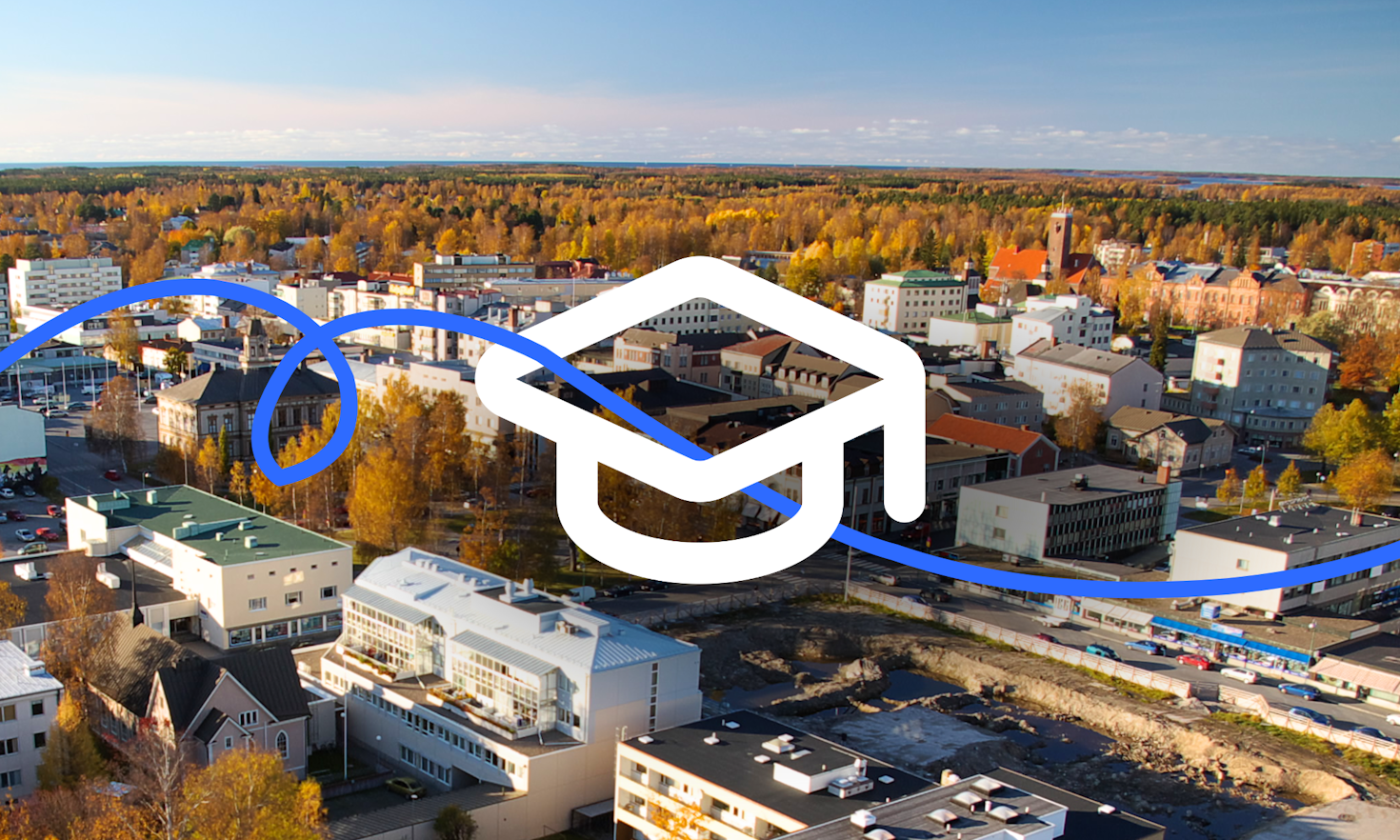
This article is part of a three-part series produced within the MIDAS Training Programme. Ina Grønvig, a journalist at Flensborg Avis, visited the MIDAS member newspaper Österbottens Tidning in October 2025 to explore everyday life among Finland-Swedes in the Jakobstad region of Finland. The series focuses on family life, education and young people.
In Finland, teachers are highly respected
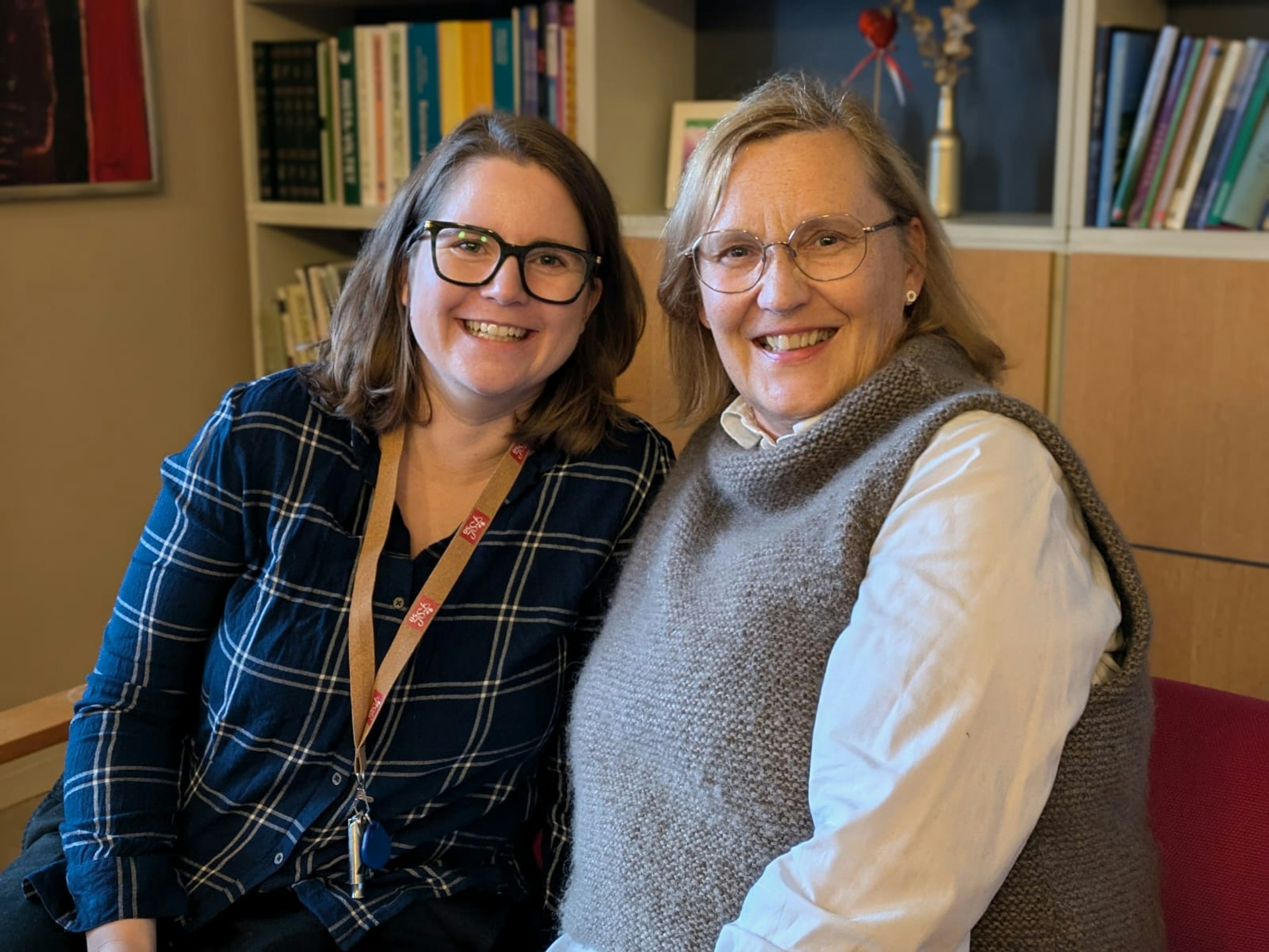
Alexandra Romar and Monika Grägg are teachers at Lagmans School in Jakobstad, Finland. Here, Swedish is in the majority, even though it is a minority in Finland as a whole.
Credit: Ina Grønvig | All rights reservedIn Finland, teachers are held in high regard. At Lagmans Skola, a Swedish-language primary school in Jakobstad, this respect is reflected in a calm school day, close relationships and regular time outdoors.
Being a teacher in Finland is associated with prestige and professional pride.
“You are proud to be a teacher,” says Monika Grägg, who has worked in the profession for 40 years.
Training to become a primary school teacher takes five years and is completed at university. Entry is competitive.
“The programme is very popular, and it is not easy to get in,” says Alexandra Romar, a colleague of Grägg’s at Lagmans Skola.
The high quality of teacher education may help explain why Finnish schools have long enjoyed a strong international reputation – even though Finland’s results in the PISA surveys have declined in recent years.
More resources
At Lagmans Skola, pupils attend school up to fifth grade before moving on to another school. Teaching takes place in Swedish, the majority language in the Jakobstad area, even though it is a minority language nationally.
Romar has taught at the school for two years. Before that, she spent four years teaching in Sweden. The biggest difference between the two systems, she says, lies in resources.
“Here, there are more resources, such as more adults to help,” she says, having just finished a maths lesson with two teaching assistants present in the classroom.
“It is also calmer here. There are not as many changes. For example, you keep the same teacher for quite a long time.”
In Finland, teachers in grades one to six are trained to teach all subjects. As a result, pupils in the early years are usually taught by the same teacher across different classes. From grade seven onwards, subject teachers take over.
Jakobstad is situated in the region Österbotten, in western Finland
Always outside
For fourth-grade pupils at Lagmans Skola, the school day begins at 8.15am. One day a week it starts at 9am. Lessons usually finish at 1pm, except on that same weekday, when pupils stay until 2pm.
Between each lesson, there is a 15-minute break – and it is always spent outdoors, even when temperatures drop to minus 20 degrees Celsius. “That is how it is, because we know it is good to stay active. The pupils become calmer,” Grägg says.
Asked what they like best about school, some pupils mention the breaks. Others point to their friends or favourite subjects.
Swedish comes first
During breaks, pupils play games such as relay races, quieter activities, or basketball and football. Being outside in cold weather is normal for them, although deep snow does have one drawback.
“Then we cannot play football,” one pupil says. Swedish is the language used in class, between pupils and at home. A few pupils are bilingual and also speak Finnish.
Lunch is provided at school, with hot meals served daily, as is standard in Finland. Asked about the food, pupils are not overly enthusiastic and would like a bit more variety.
Uses printed books
Teaching at Lagmans Skola is still largely based on printed textbooks, something Grägg values. “I want to meet the pupils every day. That way, I can better see how they respond to the lessons. I have always liked that feedback,” she says.
All pupils have an email account and access to Chromebooks, which are used to practise digital skills such as online searching. More advanced use comes later.
“When they get older, they will get more out of it,” Grägg says.
For her, daily contact with pupils is central to the job. “It is meaningful to work with pupils and to make an impact on them,” she says. Teachers at the school also emphasise mutual respect, regardless of experience. “We do the same job. One is not better than the other, and we are good at helping each other,” Grägg says.
Note: This article gives the views of the author and does not represent the position of the European Association for Daily Newspapers in Minority and Regional Languages (MIDAS) or Eurac Research.

Ina Grønvig
Ina Grønvig is responsible for the weekly supplement KomMit at Flensborg Avis, published every Saturday. The supplement focuses on families with young children and aims to support new members of the Danish minority in Germany – often parents – in learning Danish and becoming familiar with minority culture. KomMit also features the Zejt-ung pages, which are for and about children within the minority community.
Discover
Making research visible.
Find the connected experts, projects, publications, and research areas behind this blog post.
This content is licensed under a Creative Commons Attribution 4.0 International license except for third-party materials or where otherwise noted.

This blog is supported by the European Association of Daily Newspapers in Minority and Regional Languages (MIDAS). MIDAS was founded in 2001 to provide assistance to minority language newspapers and nowadays has members all over Europe. MIDAS serves as a platform for exchange, uniting minority language newspapers to present a collective voice to the European institutions.