Finland-Swedes in everyday life – Part 2: Family
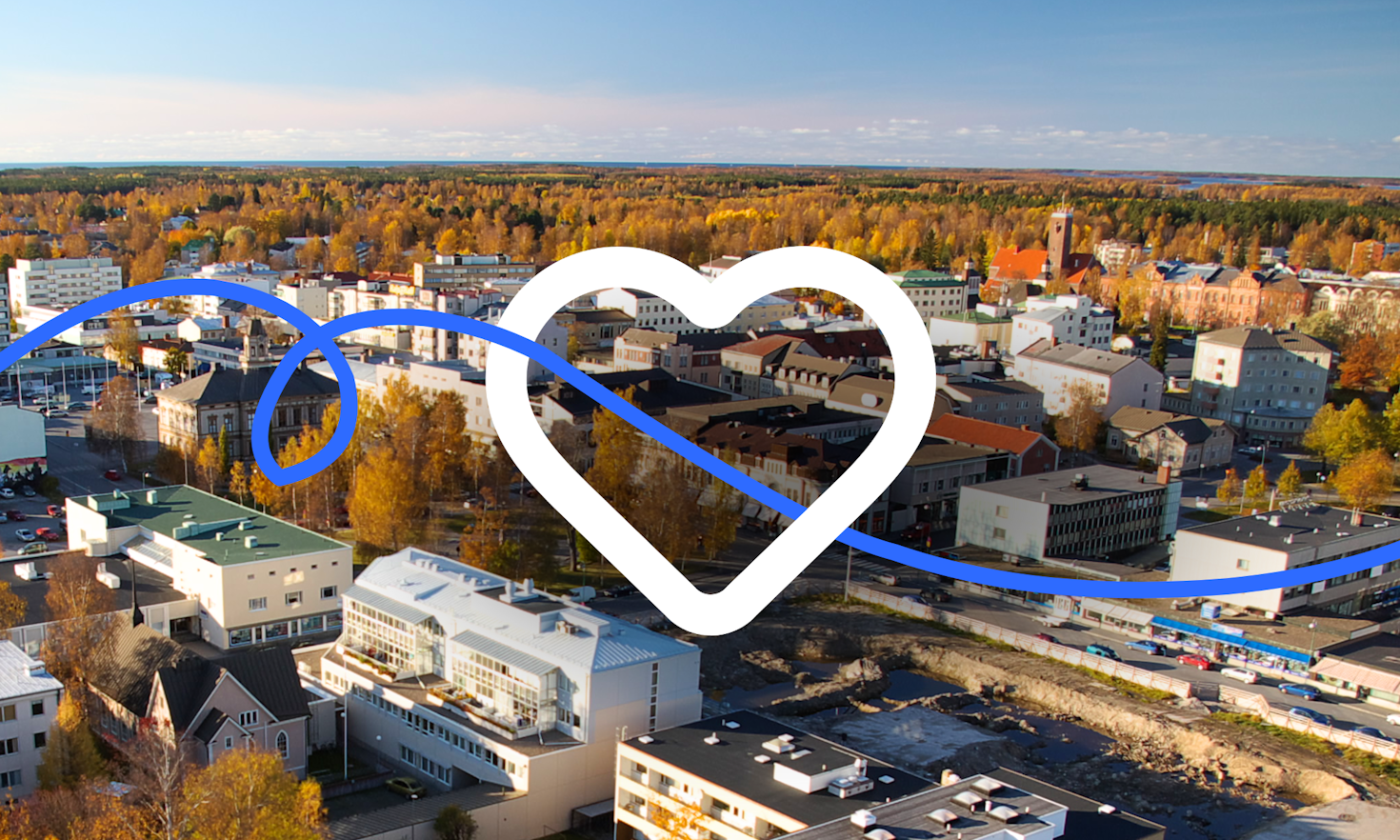
This article is part of a three-part series produced within the MIDAS Training Programme. Ina Grønvig, a journalist at Flensborg Avis, visited the MIDAS member newspaper Österbottens Tidning in October 2025 to explore everyday life among Finland-Swedes in the Jakobstad region of Finland. The series focuses on family life, education and young people.
The family finds strength in each other: “Oliver is very present in our lives”
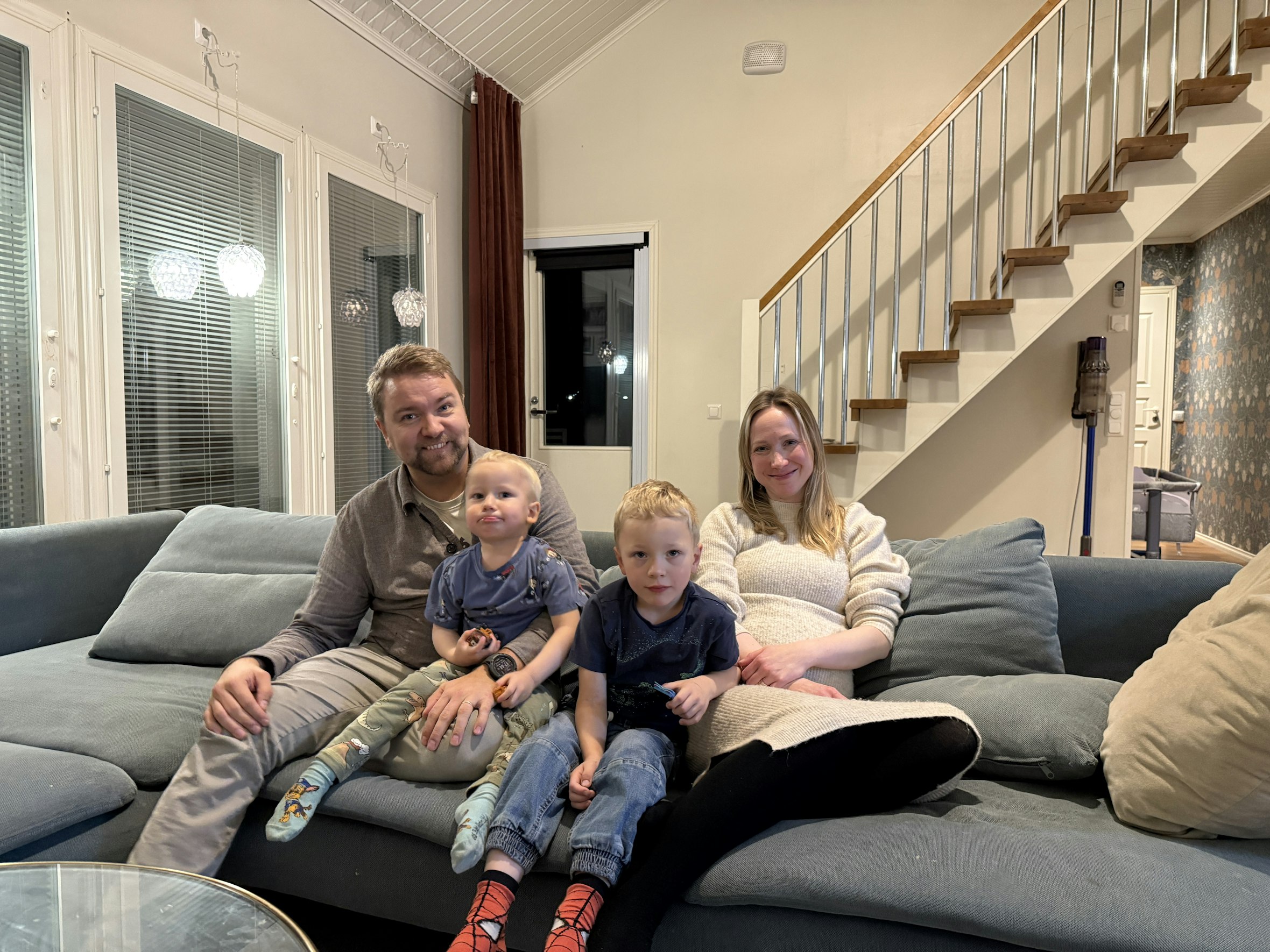
Sandra and Nicklas Holmgård live with their children in Sandsund, near Jakobstad, where everyday life is shaped by the Swedish language, close contact with nature and a strong Finland-Swedish community
Credit: Ina Grønvig | All rights reservedThe Finland-Swedish childhood sweethearts Sandra and Nicklas Holmgård have stayed together through sorrow and joy. Together, they have three children, and a fourth is on the way. Sandra and Nicklas Holmgård have been a couple since they were 15 – more than half a lifetime for the two 36-year-olds.
It is an impressive achievement, some might say, particularly because their life together has not been an easy one. The couple share an unbearable grief, and yet they continue to stand side by side. “We like each other,” Nicklas Holmgård says when asked about the secret behind so many years together.
“We have always made it work. We are good at talking to each other. We say how we feel, and if there is a problem, we deal with it,” Sandra Holmgård adds.
Familiar minority feelings
The family live in Sandsund, a small suburb of Jakobstad in Finland. Inside the house, with its high ceilings, five-year-old Vide and two-year-old Julius have taken toy cars out of their room and are now racing them across the floor. Their play is in Swedish, as the family are Finland-Swedes. Finland-Swedes are a minority nationally, but in the Österbotten region, where the family live, they form the majority. In shops and restaurants in Jakobstad, Swedish is widely spoken. In this respect, the Swedish-speaking minority in Finland differs in several ways from the Danish minority in South Schleswig – although the sense of belonging is similar. “In Finland, we are Swedes. But in Sweden, we are really Finns,” Sandra Holmgård says.

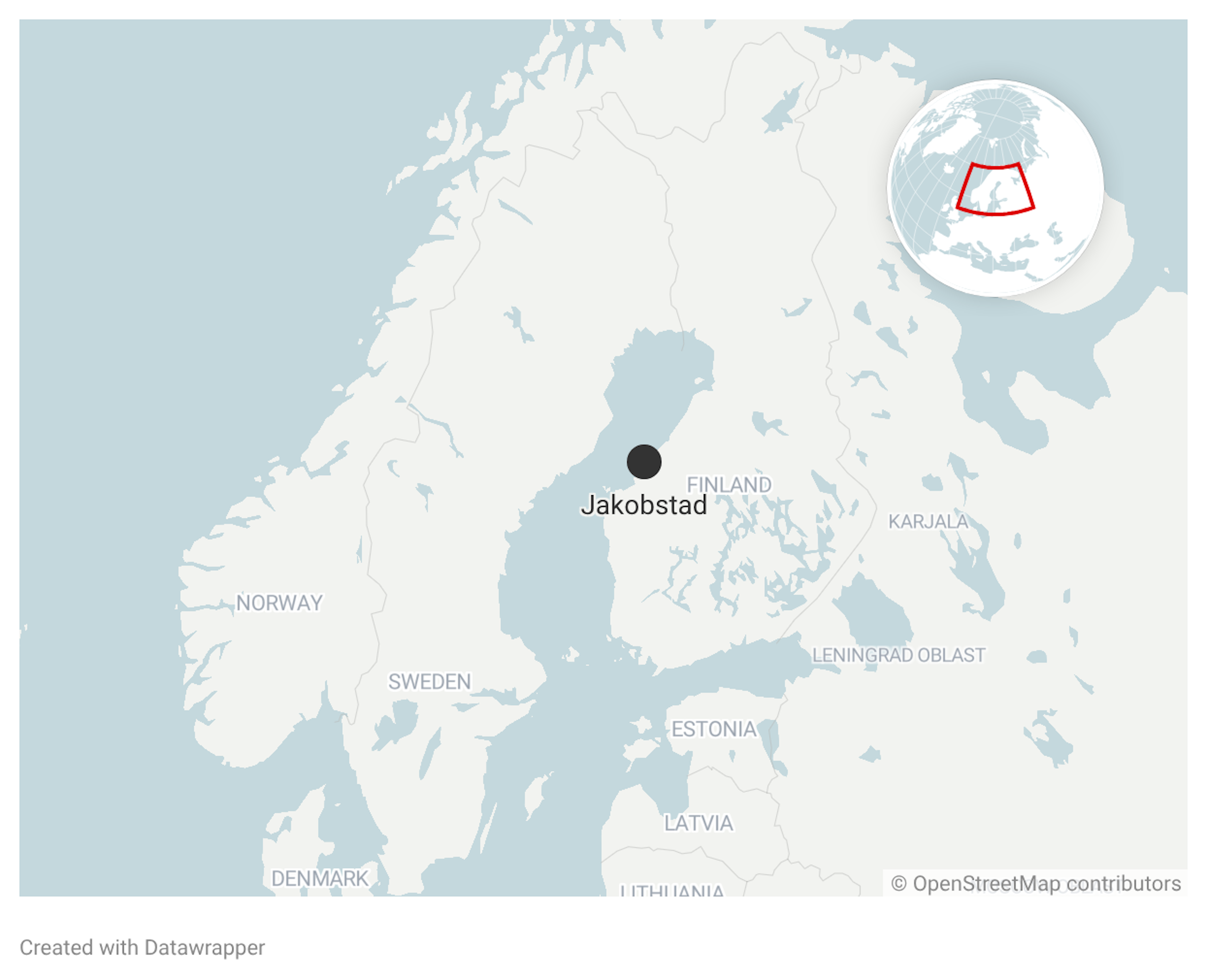
Jakobstad is situated in the region Österbotten, in western Finland
Leaning towards Sweden
Sandra Holmgård works as a journalist at the Swedish-language newspaper Österbottens Tidning in Jakobstad. From time to time, she interviews sources in Finnish – but not without careful preparation, as she finds the language challenging. “You have to learn quite a lot of rules before you can really say anything,” she says.
For Nicklas Holmgård, the situation is different. He studied in Finnish and now also uses the language at work, where he is employed as a construction engineer.
Culturally, the family tend to look towards Sweden. “We watch Swedish television and prefer Swedish news. We know more Swedish celebrities than Finnish ones,” Sandra Holmgård says.
At the same time, they are mindful of staying connected to Finland. For example, they have only been on holiday in Sweden once, while they have travelled extensively within Finland.
They are also keen to ensure that their children develop a connection to the Finnish language. “We want to give the children the chance to learn Finnish. For example, they go to gymnastics classes in Finnish,” Sandra Holmgård says.
"Present in our lives"
In Jakobstad, Sandra and Nicklas Holmgård have much of their family close by, which is a significant help in everyday life, with grandparents among those who assist with childcare.
This closeness became especially important when the couple’s eldest son, Oliver, fell ill. “When he became ill, it meant a lot that everyone was nearby,” Sandra Holmgård says. Oliver would have turned ten this year, but he died in early 2020. He had a rare genetic condition that gradually shut down the body’s functions.
Although Oliver is no longer physically present in the family, he remains part of everyday life – on the shelf above the dining table, in photographs on the walls and in the family’s conversations. “We talk about him a lot, look at photos, and visit the grave together. The children also talk a lot about Oliver. He is very present in our lives,” the parents say.
Vide, now five, was born shortly after Oliver’s death. Julius arrived later. The family are now expecting another child, a little sister. They have not yet decided on her name, although Olivia is one possibility.
A calm family life
In addition to having relatives nearby, the family’s home is close to nature – something they try to take advantage of every day. The area is also very child-friendly. “Life is so easy here,” Sandra Holmgård says, as Nicklas adds: “The children can run around. They move back and forth between the neighbours, who are also families with children.”
Note: This article gives the views of the author and does not represent the position of the European Association for Daily Newspapers in Minority and Regional Languages (MIDAS) or Eurac Research.

Ina Grønvig
Ina Grønvig is responsible for the weekly supplement KomMit at Flensborg Avis, published every Saturday. The supplement focuses on families with young children and aims to support new members of the Danish minority in Germany – often parents – in learning Danish and becoming familiar with minority culture. KomMit also features the Zejt-ung pages, which are for and about children within the minority community.
Discover
Making research visible.
Find the connected experts, projects, publications, and research areas behind this blog post.
This content is licensed under a Creative Commons Attribution 4.0 International license except for third-party materials or where otherwise noted.

This blog is supported by the European Association of Daily Newspapers in Minority and Regional Languages (MIDAS). MIDAS was founded in 2001 to provide assistance to minority language newspapers and nowadays has members all over Europe. MIDAS serves as a platform for exchange, uniting minority language newspapers to present a collective voice to the European institutions.