


Gaudí: more than an architect, a symbol of Catalan identity
This article was produced within the MIDAS Training Programme. In June 2026, Linda Koleszárová, a journalist at the Slovak Hungarian-language daily Új Szó, spent a week at the editorial office of the Catalan-language newspaper VilaWeb in Barcelona. During her stay, she explored different aspects of Catalan language, culture and identity.
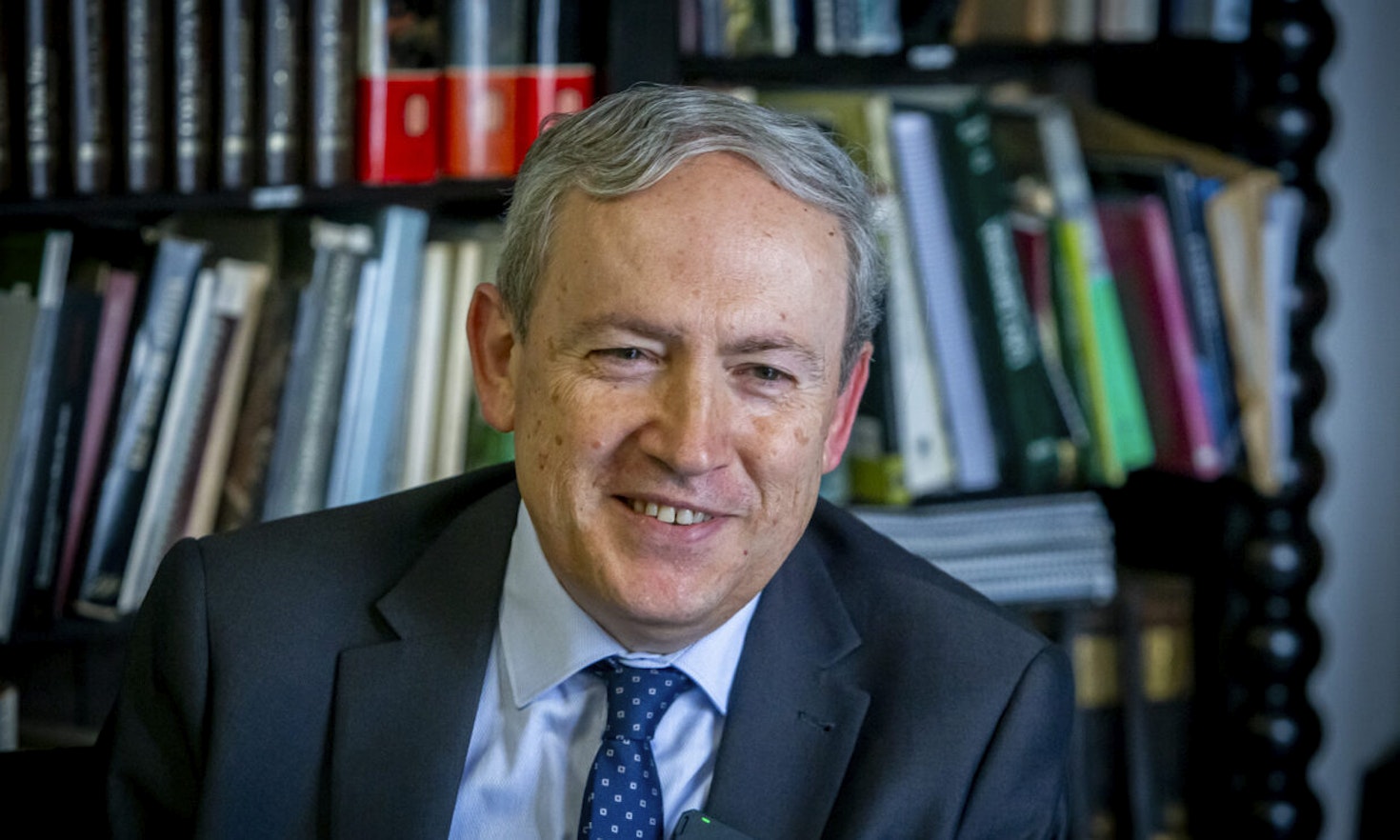
Thanks to the MIDAS Training Programme, I was able to spend a week in Barcelona, where I gained insight into the workings of the local media through a placement at the editorial office of the Catalan-language newspaper VilaWeb. During my visit, I spoke with Joan Maluquer, an expert on Antoni Gaudí, about the architect's continuing significance for Catalan identity.
Antoni Gaudí was born in 1852 near Reus, Catalonia, and became the most renowned figure of Catalan Modernism after graduating from the Barcelona School of Architecture. Although his name is now known around the world, he did not enjoy universal recognition during his lifetime. In the final years of his life, he devoted himself almost entirely to the construction of the Sagrada Família, which he considered his masterpiece. He died on 10 June 1926, after being struck by a tram in Barcelona a few days earlier.
The centenary of his death was commemorated on 10 June in Barcelona. The significance of the occasion was underscored by the presence of Pope Leo XIV, who personally visited the Catalan capital, celebrated Mass in the Sagrada Família and blessed the basilica’s tallest and most important tower, the Jesus Christ Tower. Standing 172.5 metres high, the tower was a central element of Gaudí’s original design, and with its completion, the Sagrada Família has become the tallest Christian church in the world.
Today, Gaudí’s name is internationally recognised, primarily thanks to iconic works such as Park Güell and the Sagrada Família. According to Maluquer, however, a significant misunderstanding still surrounds the famous architect: he is often described as a Spanish architect, whereas he considered himself above all Catalan. The expert recalled an incident in which Gaudí was even imprisoned for refusing to speak Spanish to a police officer.
When asked what Gaudí means to Catalans today, Maluquer explained that Gaudí was not only a brilliant and unique architect but also a creator whose work is deeply rooted in Catalan culture and traditions. His buildings have become important symbols of Catalan identity.
During the conversation, I also asked how an artist or architect can contribute to strengthening a minority language and culture. According to Maluquer, Gaudí’s career provides an excellent example. At the beginning, he was not considered particularly popular, and there were not enough financial resources to complete the Sagrada Família. Today, however, the basilica attracts millions of visitors every year, and tourism has ensured the funding necessary to finish the project.
The expert believes that through his art, Gaudí has become a kind of universal icon for the Catalan nation. His works attract millions of tourists from all over the world, creating a powerful attraction for both Barcelona and Catalonia as a whole.
When asked which Gaudí building a first-time visitor to Barcelona should see if they only have time for one, Maluquer gave a clear answer: the Sagrada Família is an unmissable experience. As an alternative, he recommended the lesser-known Palau Güell, whose towers, he noted, prominently feature Catalan national symbols and offer a fascinating insight into Gaudí’s early creative period.
Gaudí’s legacy is therefore no longer simply part of architectural history. Today, it also serves as one of the most recognisable international ambassadors of the Catalan language, culture and identity.
Note: This article gives the views of the author(s) and does not represent the position of the European Association of Daily Newspapers in Minority and Regional Languages (MIDAS) or Eurac Research.
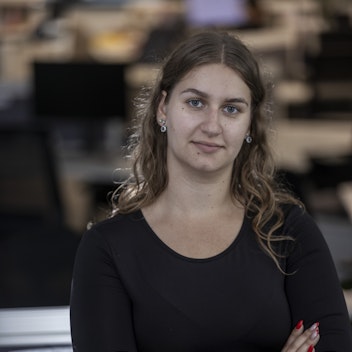
Linda Koleszárová
Linda Koleszárová is a journalist at Új Szó, the Hungarian-language daily newspaper in Slovakia.
Discover
Making research visible.
Find the connected experts, projects, publications, and research areas behind this blog post.


This content is licensed under a Creative Commons Attribution 4.0 International license except for third-party materials or where otherwise noted.








 My cookie preferences