
“When a local newspaper or radio station disappears, the community feels that no one cares”
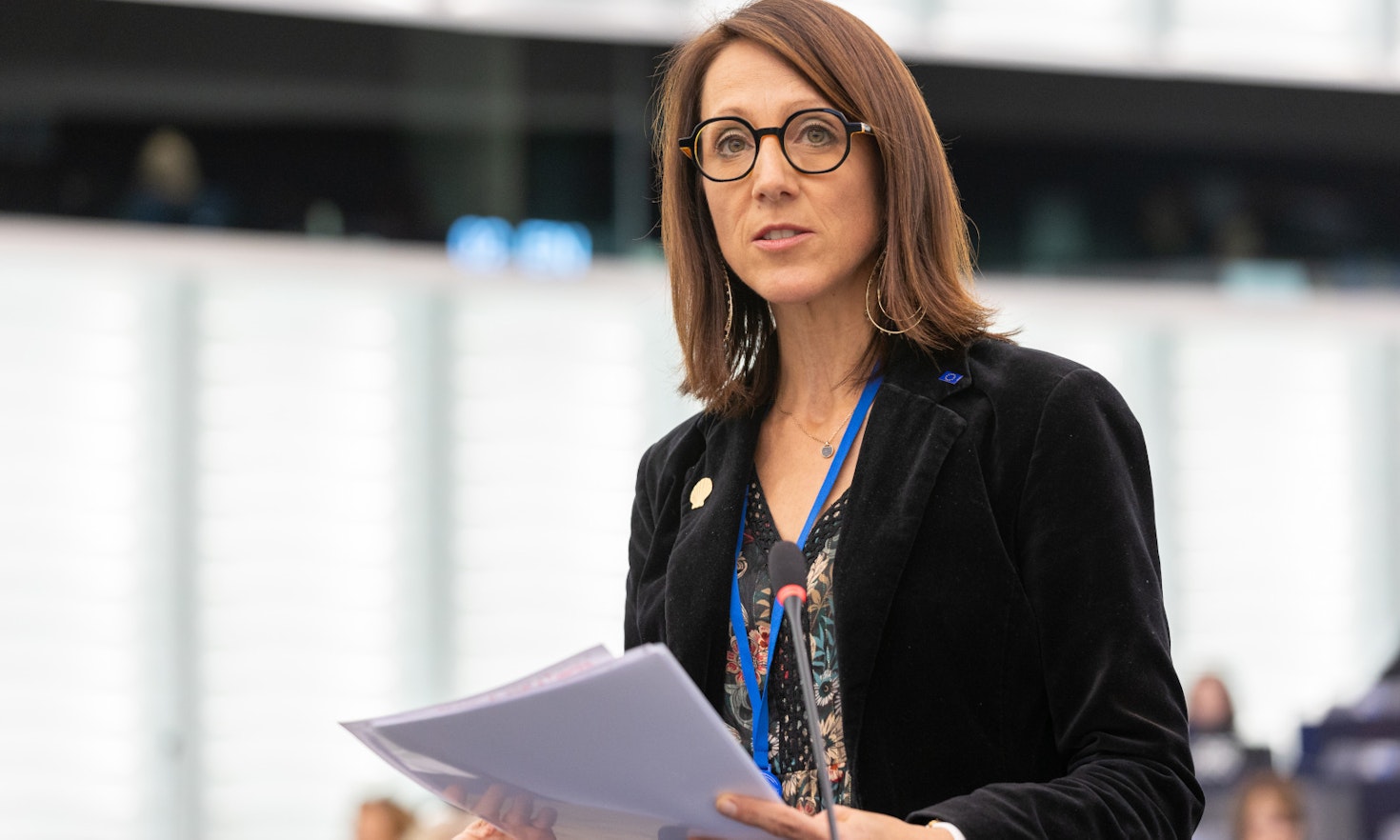
Local and regional media, their role in democratic life and the challenges they face are the focus of this interview with Mélanie Lepoultier, co-rapporteur of the report Local and regional media: watchdogs of democracy, guardians of community cohesion, adopted by the Council of Europe’s Congress of Local and Regional Authorities. Lepoultier reflects on the consequences of declining local journalism and touches on the specific situation of small media outlets.
Hatto Schmidt: Could you briefly outline the main points of the report?
Mélanie Lepoultier: We felt it was important to investigate whether the absence of local newspapers has a direct impact on local democracy. The result is that where they do not exist, or have disappeared, local democracy is indeed in poor shape.
Hatto Schmidt: Problems and crises seem to be getting worse, populist rhetoric is on the rise, and in many countries there is a growing nationalist trend. The media – especially local media – are coming under increasing pressure. Did your research confirm this?
Mélanie Lepoultier: Yes, that is exactly the point. The question of trust in traditional media arises. In some countries it goes even further. If I take the example of France, when we had the yellow vests crisis at the end of 2018, there was a great deal of mistrust – and sometimes even anger – towards journalists, including local journalists. What we also saw was that when a local newspaper or radio station disappears, the community feels that no one cares about them. When there is no longer a doctor, when there are no longer any public services, and then the sign of a local newspaper is taken down, it seems as if the people there are no longer worth listening to.
Hatto Schmidt: This, of course, plays into the hands of populists.
Mélanie Lepoultier: We have linked all these developments to the polarisation of political visions in many countries.
Hatto Schmidt: You addressed all of this in your report. Has anything happened since the recommendation from your report was adopted by the Council of Europe’s Committee of Ministers?
Mélanie Lepoultier: No. Not really. The congress makes this this report to raise awareness about a particular subject. That is also a point we discussed at the congress: how do we monitor what happens afterwards?
Hatto Schmidt: Does the Council of Europe keep an eye on local media?
Mélanie Lepoultier:We try to make the point to the Council of Europe that there is also a need to deal with local journalists and local media, as studies and campaigns often focus more on national media. But we also have to look at the European institutions: what are they doing? Do they see it in the same way? Do they recognise the same problems? Or are they tackling these issues?
Hatto Schmidt: Is the Council of Europe the right institution to discuss these issues?
Mélanie Lepoultier: I do think people are aware of the situation. The campaign on the safety of journalists and media freedom is under way, and a platform has been created for the safety of journalists, where local journalists can also make statements. Journalists can report what has happened to them there, and the platform calls on the country’s government to respond. If the police have arrested a journalist, the country must sometimes provide information about why they were arrested during a demonstration or strike, and what has been done to protect the journalist and guarantee their freedom of expression. Even local correspondents – even if they are not trained journalists – are now victims of threats. This happens because they live among the people they interview or question. We are also very concerned about the concentration of media organisations in some countries.
If you allow local newspapers or media to be funded at local level, the question of influence inevitably arises, and it becomes difficult for journalists and local representatives alike to free themselves completely from any risk of corruption.
Mélanie Lepoultier
Hatto Schmdit: The report mentions the possibility of public funding for local media several times. Would this not lead to even more attempts at political influence than there already are?
Mélanie Lepoultier: It must be a nationwide system and not a local one. If you allow local newspapers or media to be funded at local level, the question of influence inevitably arises, and it becomes difficult for journalists and local representatives alike to free themselves completely from any risk of corruption. Local media have a duty to scrutinise the actions of local representatives, and they must be free from any influence. Some countries have created systems to guarantee the financing of local media so that they are not dependent on local funding. We must also consider large networks such as Meta and others that constantly quote and use content from local newspapers without paying for it. In Australia, Facebook has been persuaded to give a portion of its profits to local media because it uses their content. We are not yet doing this in Europe, but it could perhaps be one way of preserving local media.
Hatto Schmidt: Media outlets representing national minorities and communities with regional languages face even greater difficulties than other local media, as they are often located in remote areas and publish in languages other than the official language. Was this discussed when your report was being drafted?
Mélanie Lepoultier: We probably overlooked that aspect. We did think about local news media, but not specifically about the representation of minorities in urban or rural areas, or of particular segments of the population.
The issue of minority language media could still be pursued, as it concerns regional representation.
Mélanie Lepoultier
Hatto Schmidt: Will there be a new edition or an update of the report?
Mélanie Lepoultier: I have asked the congress to follow up on this report and see how things develop. I am sure that the situation of local media is not improving. The issue of minority language media could still be pursued, as it concerns regional representation. I think that is something I could suggest to the congress as a future area of work.
About Mélanie Lepoultier
Mélanie Lepoultier (born 1979) has been mayor of Sommervieu (Calvados, Normandie) since 2014; the commune has around 1 000 inhabitants. She is vice-president of the Calvados departmental council and vice-president of Bayeux Intercom, an association of 36 municipalities. Since 2022 she has been a member of the Congress of Local and Regional Authorities of the Council of Europe, where she chairs the French delegation and sits with the Independent Liberal and Democratic Group. In March 2024 she was appointed deputy standing rapporteur on human rights in the Congress.
About the Congress of Local and Regional Authorities
The Congress of Local and Regional Authorities of the Council of Europe represents local and regional elected officials from the Council of Europe’s 46 member states. It brings together representatives of more than 130,000 local and regional authorities and consists of two chambers, the Chamber of Local Authorities and the Chamber of Regions. The Congress has 306 representatives and an equal number of substitutes, meets in Strasbourg, and monitors local and regional democracy, including the application of the European Charter of Local Self-Government.
Note: This article gives the views of the author(s) and does not represent the position of the European Association of Daily Newspapers in Minority and Regional Languages (MIDAS) or Eurac Research.

Hatto Schmidt
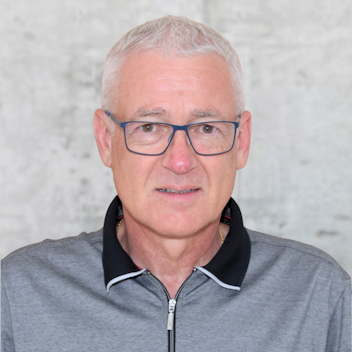
Hatto Schmidt was born and raised in Baden-Württemberg, Germany. He studied history and political science in Freiburg and Tübingen, and then spent 33 years working as a journalist for the daily newspaper Dolomiten, which is published in South Tyrol. He has dealt with questions and problems of national minorities for many years.
Discover
Making research visible.
Find the connected experts, projects, publications, and research areas behind this blog post.
This content is licensed under a Creative Commons Attribution 4.0 International license except for third-party materials or where otherwise noted.




