


Visibility and the Right to Dream: The Overlooked Stories of Roma in Sports
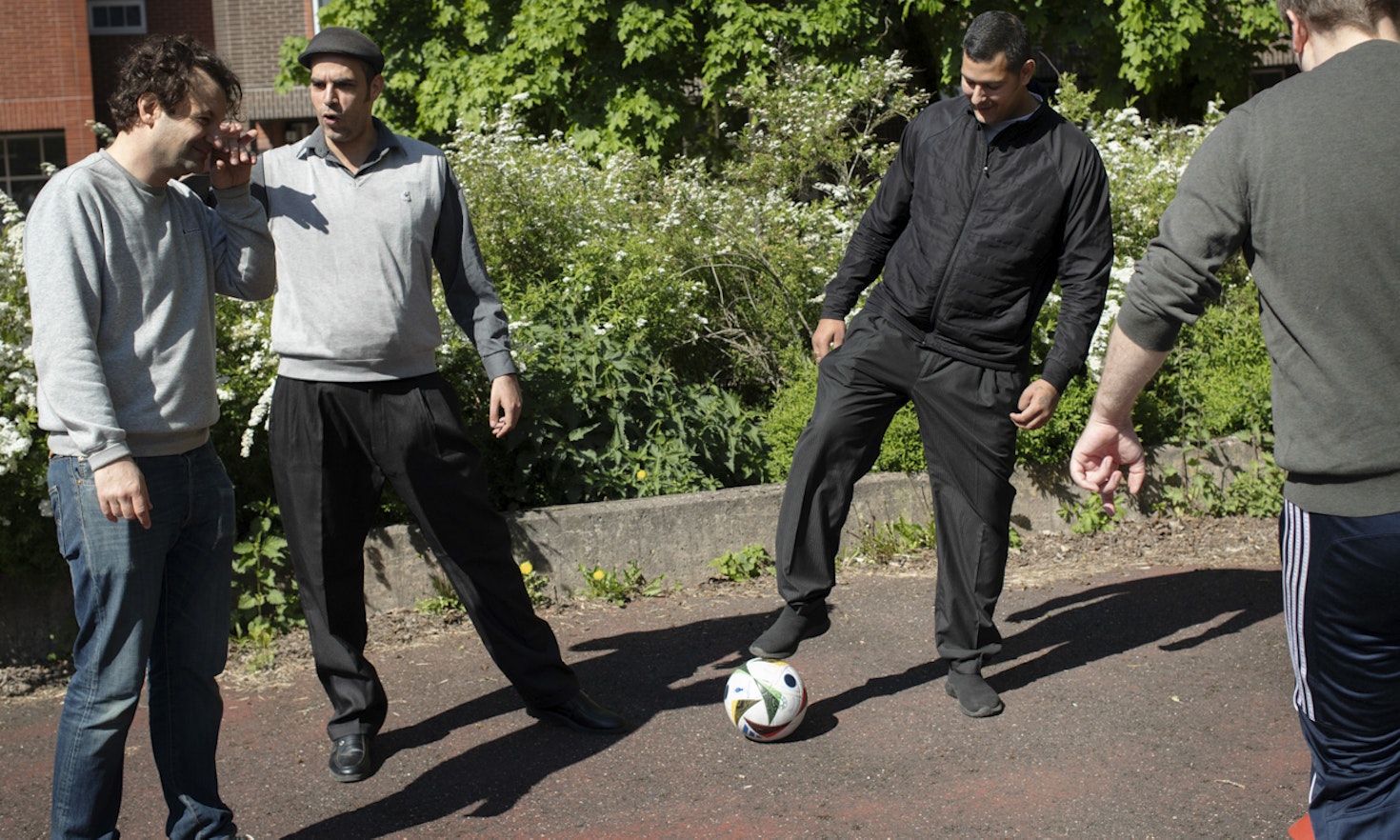
Sport can create belonging, visibility and opportunity. Participation in sport can help minorities gain positive attention and build social networks with majority society. Yet discussions of sport and minorities far too often forget to talk about the Roma. The question is not whether Roma belong in European sport, but why they have remained overlooked for so long.
The athletes we remember – and those we forget
When people in German-speaking Europe think about athletes with Sinti or Roma backgrounds, one name usually appears first: Johann Trollmann. He became German light heavyweight champion in 1933. Shortly afterwards, the Nazi regime stripped him of recognition because he was Sinti. He was later deported and murdered in the Wittenberge subcamp of Neuengamme concentration camp in 1944.
His story is remembered because it is tragic. But there is another reason why it remains so prominent: there are remarkably few visible Roma athletes in mainstream European public life today. Nor is the public generally aware of historical Roma athletes. The absence of Roma and sports from our historical memory creates a misleading impression. Roma have always participated in European sport. The problem is one of visibility and inclusion into the national story.
The visibility of Roma is affected by the same issue around Europe. Finland is one of the many examples. For decades, Finnish Roma themselves have carried a strong narrative of national belonging linked to the Second World War. Around 300 Roma men fought on the Finnish frontlines. Within the community, this history became a source of pride and proof that Roma were part of the Finnish nation. Yet participation did not automatically bring equality. Younger Finnish Roma increasingly point out that discrimination continued after the war, even against veterans. Sport reflects a similar contradiction: participation in majority society’s sport exists, but recognition often does not.
Visibility matters because sports matter: athletes often go to become national symbols. That is why exclusion from sporting narratives can also mean exclusion from national narratives. The Finnish Roma, for instance, have long been part of the country’s sporting history – these stories are often overlooked or forgotten by majority society. Finnish Roma have been influential, for instance, in combat sports. Väinö Lindberg, later known as an influential Roma political figure, was a Finnish junior boxing champion in the 1950s; decades later, female judoka Katjusa Hörman achieved international success. The Finnish Roma are also very influential in trotting, the most popular equestrian sport in Finland, acting as stable-owners, trainers and drivers. Still, Roma athletes rarely appear in broader discussions about Finnish sport.
Obstacles for participation
In addition to visibility, sports clubs and recreational activities create networks between minority and majority communities. They provide spaces where children and young people can build confidence, friendships and a sense of belonging. For some, sport also becomes a path towards education, employment and social mobility. But these are not equally available to everyone: discrimination, socio-economic status, and lack of culturally suitable opportunities make participation in sports more difficult for some than others.
Research by the Finnish Institute for Health and Welfare showed in 2017–2018 that Roma communities in Finland are physically less active during their leisure time than the majority population. The reasons are complex: financial difficulties, demanding work schedules, health problems and depression all affect participation. Organised sport can simply be too expensive. For many families, sport means membership fees, equipment, travel costs and training expenses. Some obstacles are also connected to cultural expectations. Traditional Finnish Kale Roma clothing may make certain sports activities difficult, and modern sportswear can sometimes conflict with expectations of modesty. This does not mean Roma culture opposes sport. Rather, participation in physical activity is shaped by wider social and cultural realities – this is true for everyone, regardless of cultural background.
A younger generation is changing the picture
In the Finnish case, importantly, the Roma minorities are doing their own part, taking initiative in the field of sport. Across Finland, younger Roma are becoming more visible in sport and physical activity than earlier generations. They are not only athletes but also coaches, organizers, and community leaders Roma sports associations such as Gipsy Fighters ry and Pirkanmaan Romanit ry have gained media attention through their Roma-specific tournaments and activities.
These developments may appear modest from the outside, but they represent a significant social shift. They challenge stereotypes about Roma communities being disconnected from organised sport and majority society. They also demonstrate how cultures evolve across generations. For many younger Roma, sport is a way to negotiate identity: remaining connected to one’s community while also participating more visibly in Finnish public life.
That balancing act is not always easy, but every positive interaction matters. Children are more likely to imagine possibilities for themselves when they see people with similar backgrounds succeeding publicly.
The right to dream
The participation of Roma in sports – and the recognition of their historical sporting achievements – is crucial, because fundamentally it is a question of equality. Children growing up in difficult economic circumstances should not have to settle for lesser sporting opportunities while others gain access to professional coaching, competitions and long-term training. One of the most discouraging experiences for a child is believing that certain dreams belong only to others. Of course, very few young people become elite athletes. But participation in sport offers something broader: confidence, social networks, discipline and recognition. Roma children deserve access to those opportunities as much as anyone else.
The relationship between Roma communities, sport and wellbeing is seriously understudied. Sport offers a unique lens to study the past and present of Roma. Highlighting successful Roma athletes contributes towards visibility, which does not emerge automatically. It develops when people are recognised, supported and included in the stories societies tell about themselves – promoting Roma equality in the present too. Social equality is built in everyday life, in ordinary places: a boxing gym, a football pitch or a local sports club where a child realises, perhaps for the first time, that their dreams matter too.
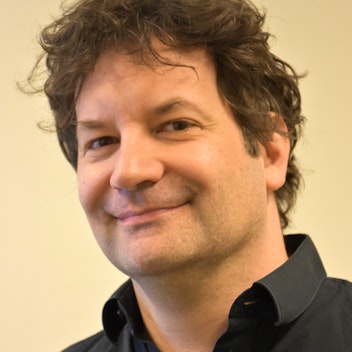
Malte Gasche
Dr Malte Gasche is a researcher and project leader at the Centre for Nordic Studies (CENS), University of Helsinki. He received his doctoral degree from the Humboldt Universität zu Berlin. His research focuses on transnational and disadvantaged groups, their living conditions, and security strategies. From 2010 to 2020, he represented Finland in the International Holocaust Remembrance Alliance (IHRA) committee “Genocides on the Roma”. He currently leads the University of Helsinki’s sub-projects in the consortium projects HEALTHCOM – participatory research with elderly immigrants and refugees in a Nordic society (2023–2026), led by Aalborg University, and Agency – services that promote equity, antidiscrimination and participation, (2024–2027), led by the Finnish Institute for Health and Welfare. The latter focuses on improving public services for Finnish Roma men.
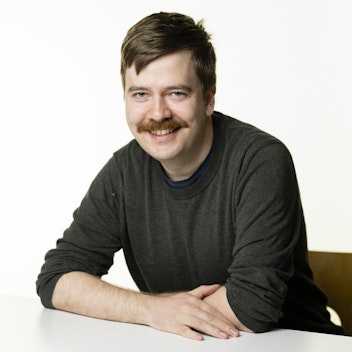
Sami Koskelainen
Sami Koskelainen is a PhD researcher in History in University of Helsinki. Koskelainen's dissertation focuses on men's elite football and Europeanisation in Finland, studying how football has been changed by European integration in a peripheral sporting power. He holds a Masters degree in European History from University College London. Koskelainen's research interests include all aspects of sport in the past and present. He is currently working in two projects related to minority studies: one on Finnish Kale Roma, public services, and antigypsyism; the other on Russian-speaking physical activity groups for elderly people in Finland.
Discover
Making research visible.
Find the connected experts, projects, publications, and research areas behind this blog post.


This content is licensed under a Creative Commons Attribution 4.0 International license except for third-party materials or where otherwise noted.








 My cookie preferences