


Is the air getting too thin for plants?
The experiment on adaptation of alpine species moving to higher altitudes continues
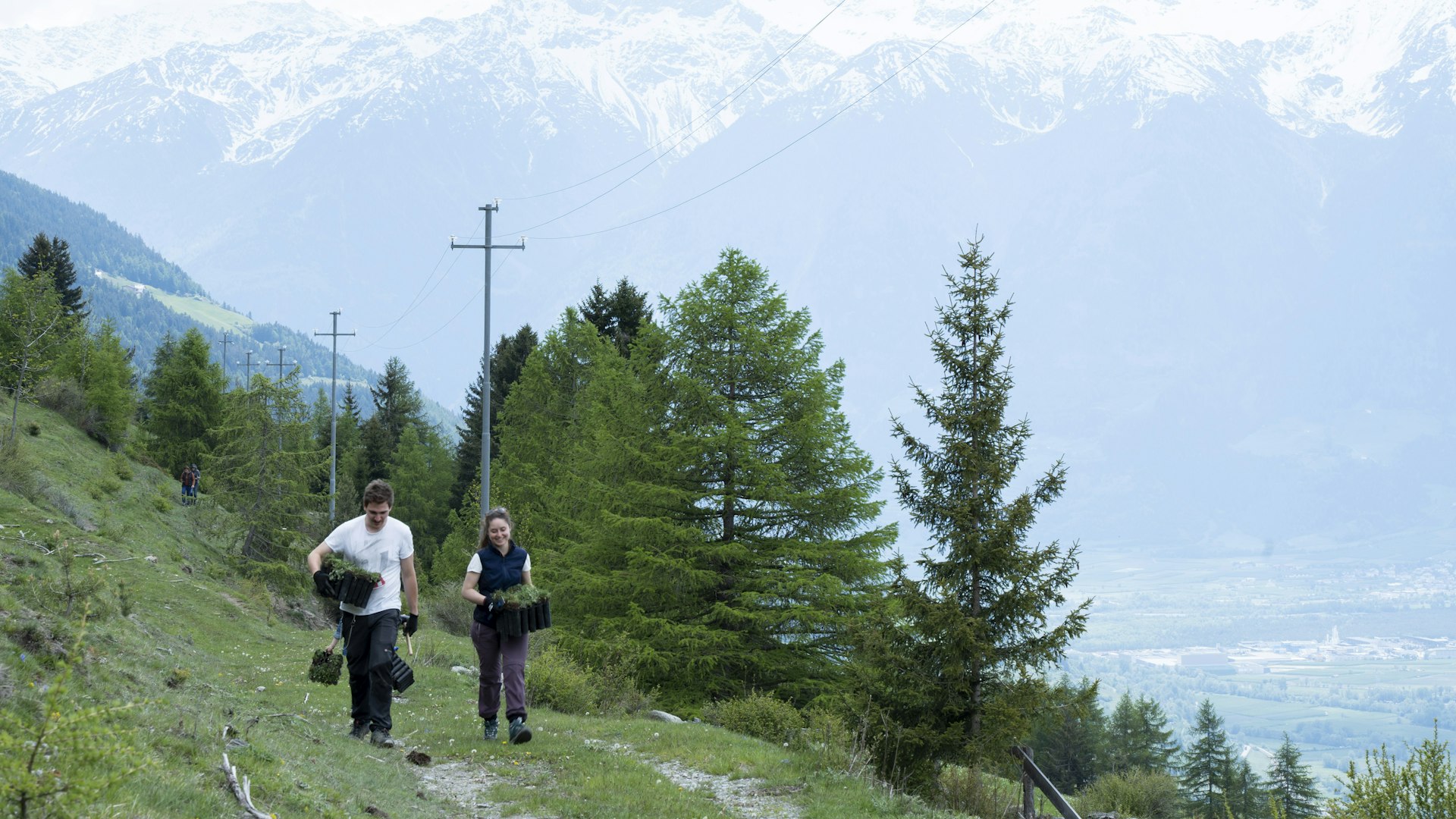
240 seedling samples were needed for the study but a few more were collected just in case. The sampling site is located in the Mazia valley, at an elevation of 1,500 meters. In the background, the Ortler massif .
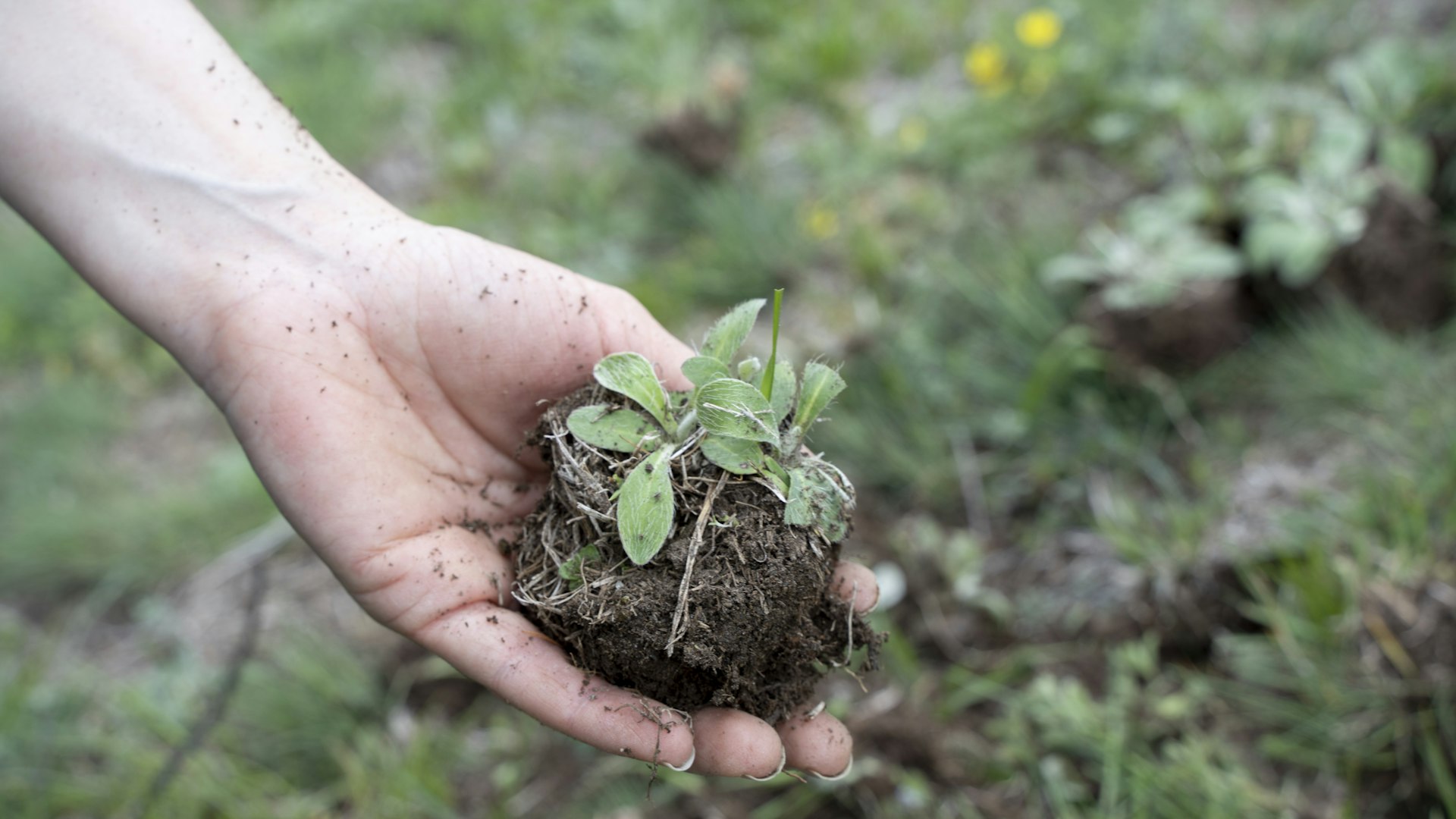
Pilosella (Hieracium pilosella) is a down-covered seedling with astringent and purifying properties, it’s deep yellow flowers look a bit like those of a dandelion.
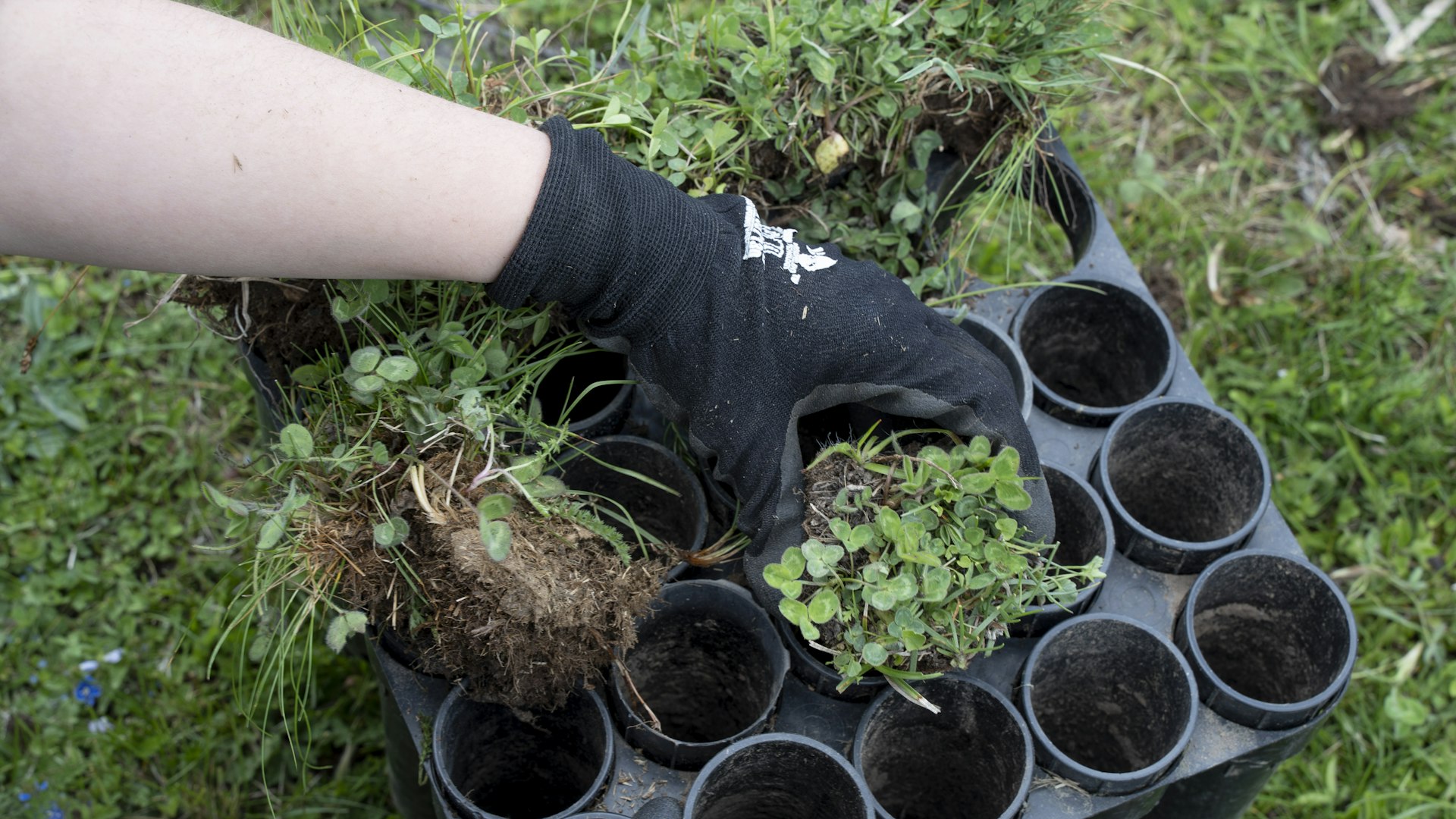
There are two varieties of clover: one covered with tiny hairs and one with smooth leaves. Botanically, the two are the same, but the hairs form a cover that protect the leaves and retain more water making it more resistant to climatic changes.
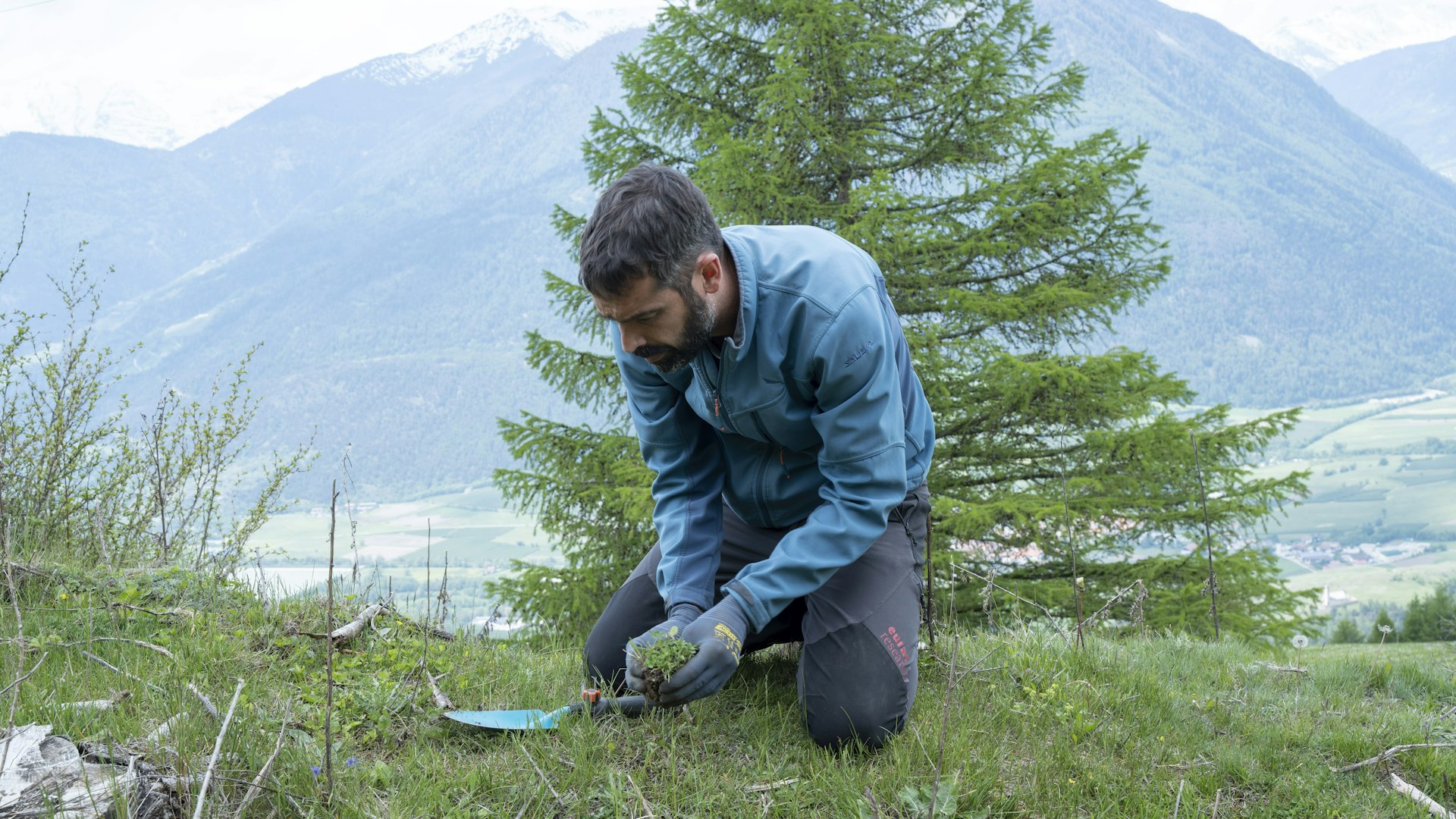
Ecologist Georg Niedrist, Upshift’s coordinator
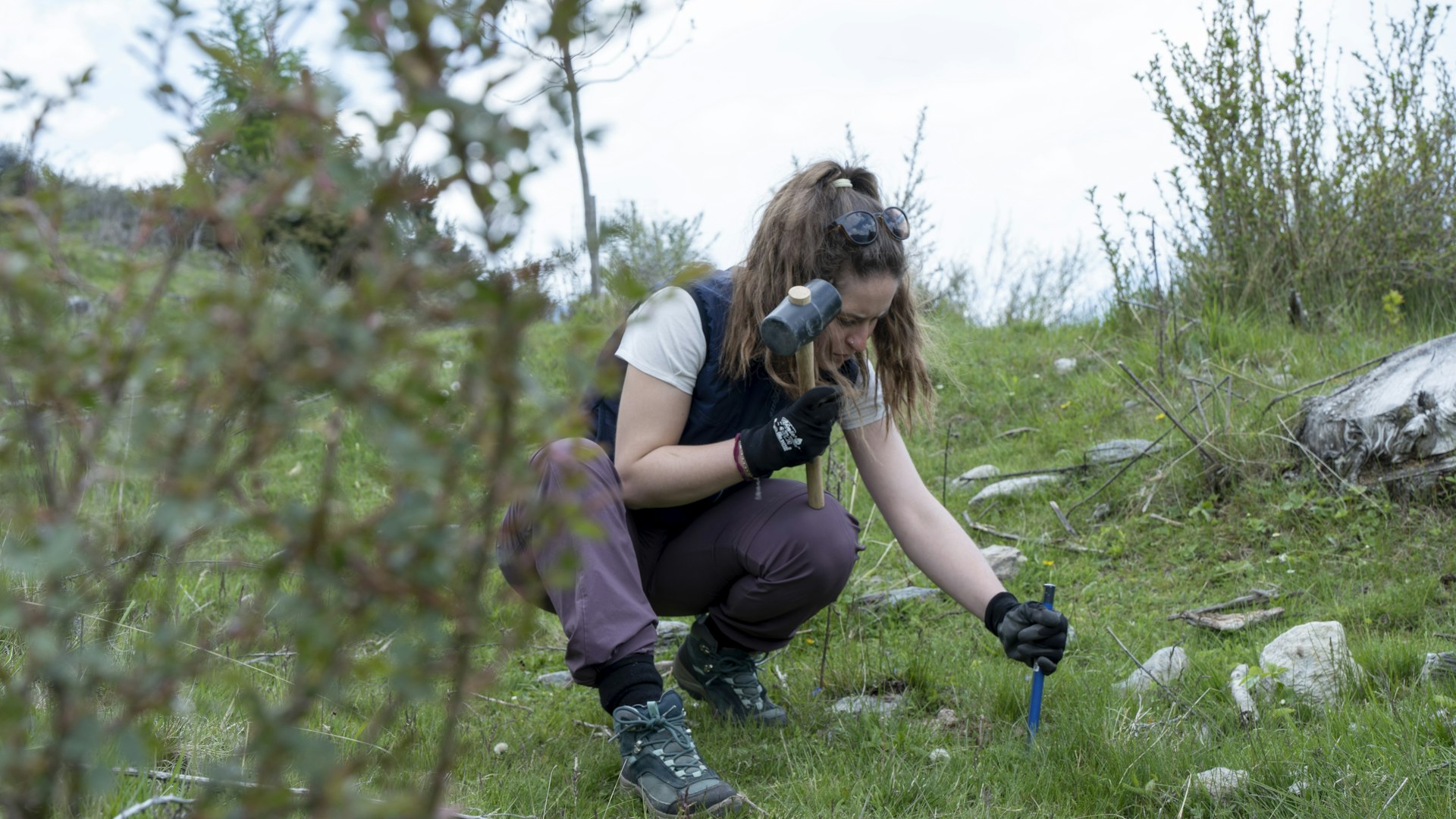
Biologist Silvia Lembo
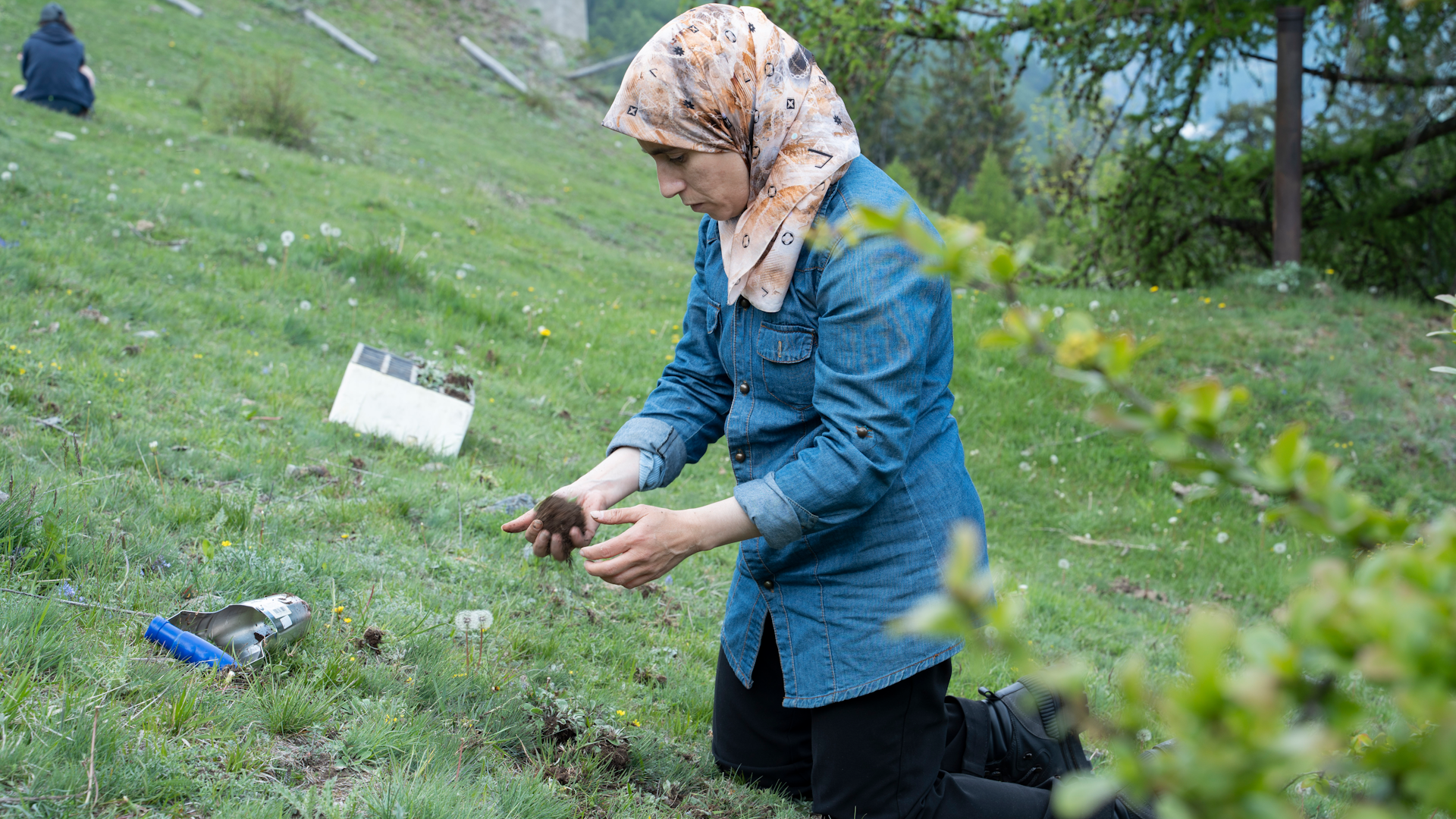
Ecologist Bouchra El Omani
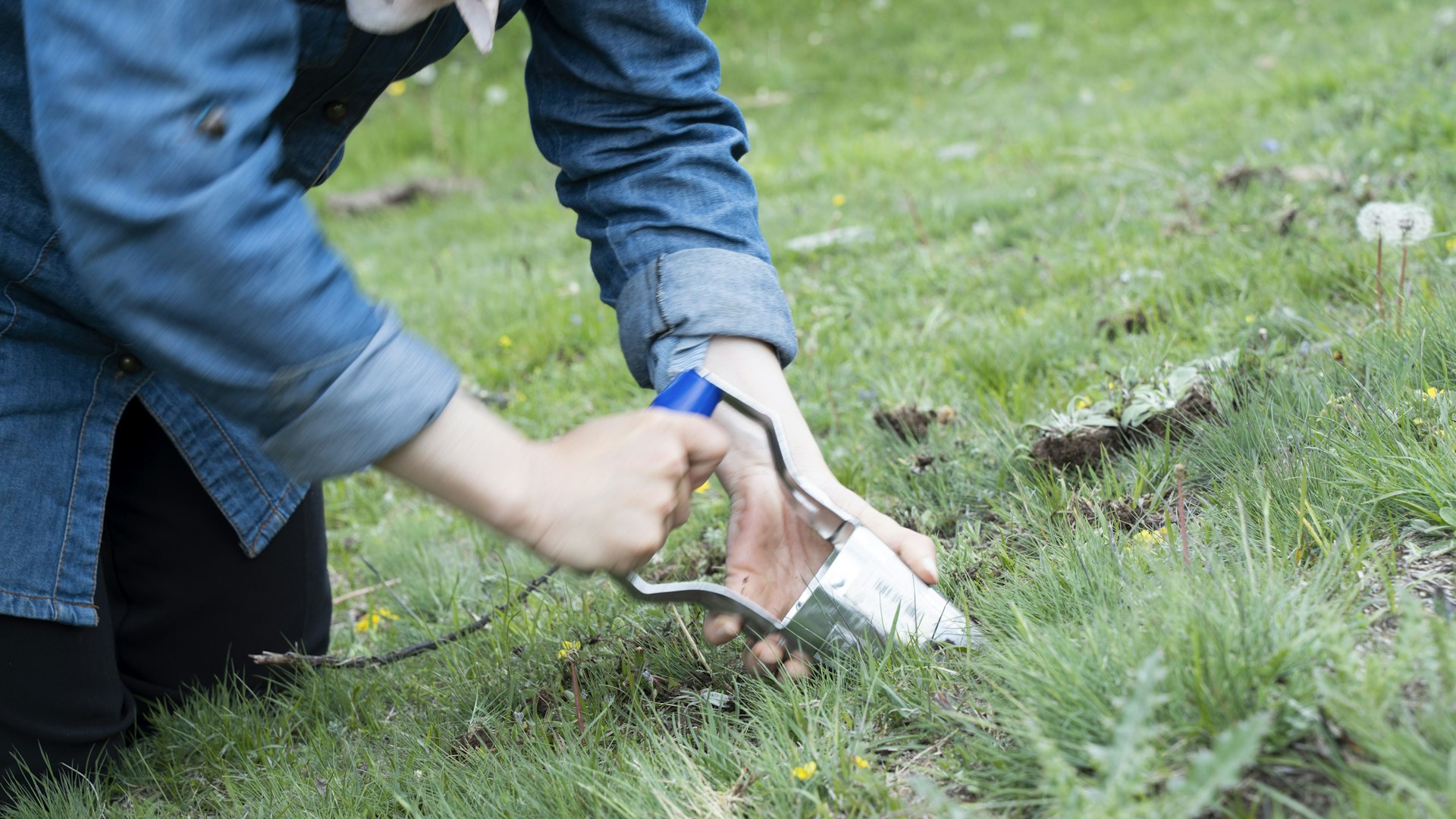
The soil is quite hard, and there are several techniques for extracting plant samples. The important thing is not to damage the lawn too much-the holes should be as small as possible and are immediately patted down after the extraction.
“The data we are most interested in is that from the 2,500 m.a.s.l mark, an altitude at which both clover and pilosella are likely to reach in the near future.”
Bouchra El Omari
As the air changes, so does the soil
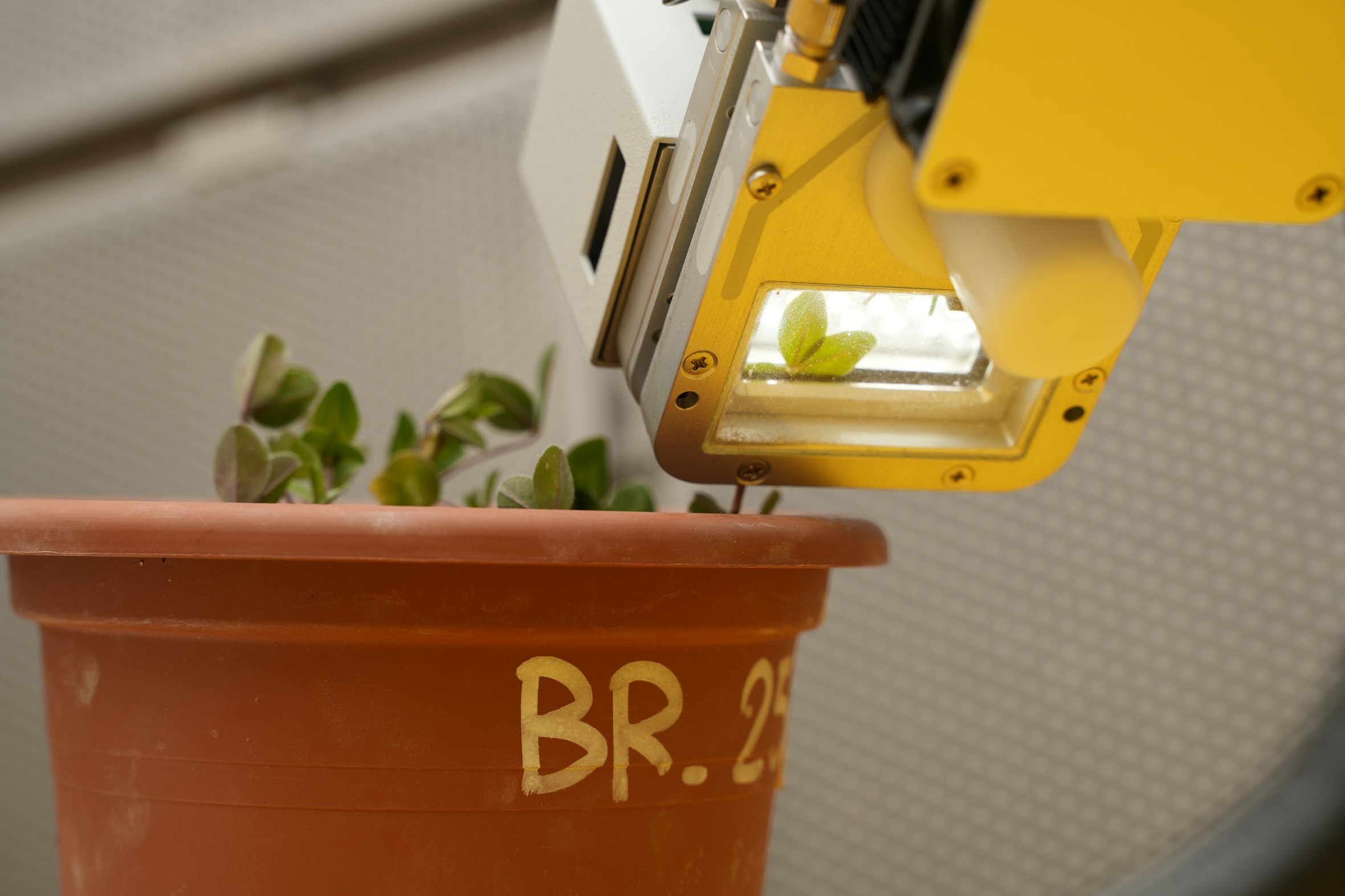
“Clover saw a decrease in chlorophyll content in the first two weeks and then recovered in the following weeks.”
Silvia Lembo









 My cookie preferences