
Bridging Waters: New approaches to transboundary governance in Central Asia
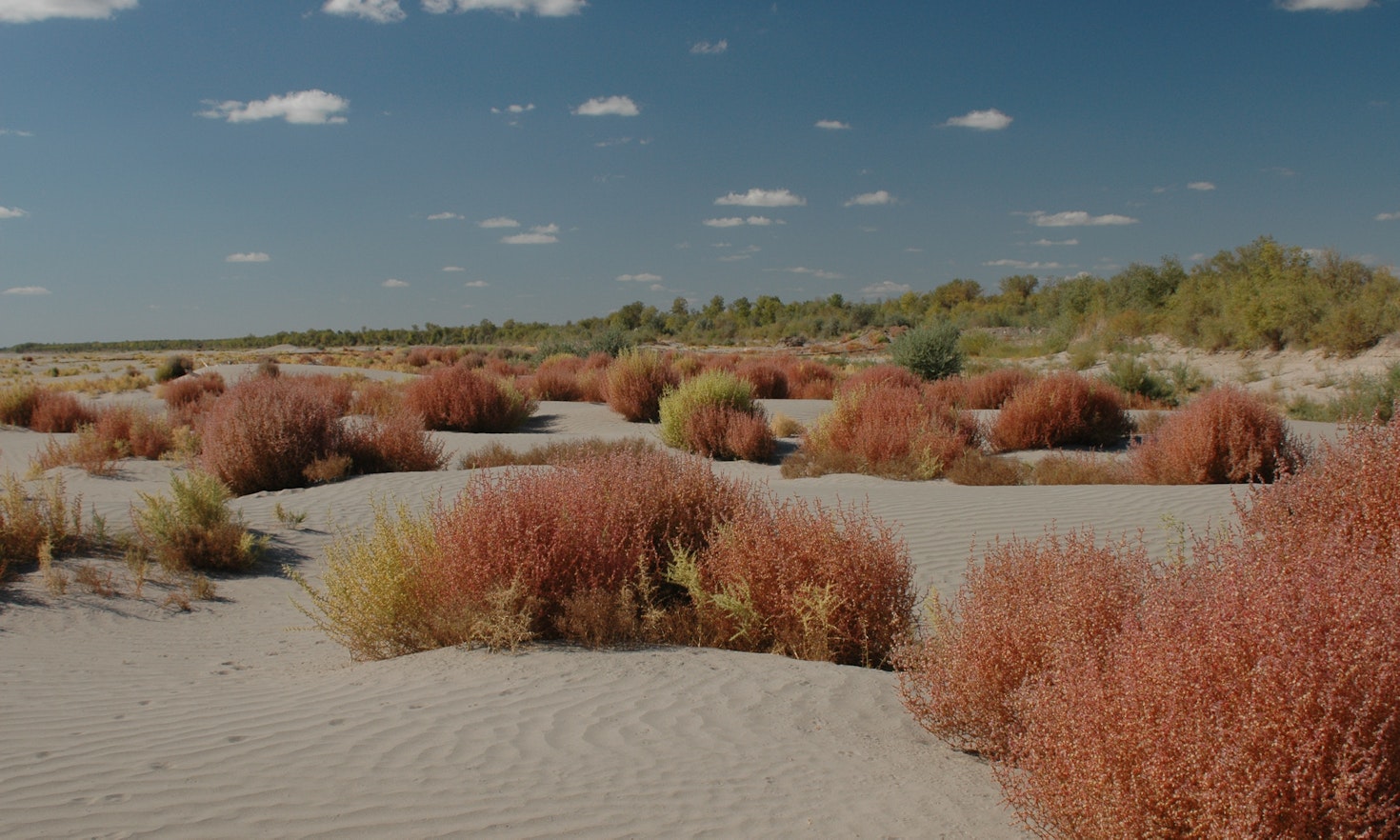
Central Asian water management is a multi-faceted challenge since several of the region’s states are dependent on transboundary rivers. Amu Darya is one of the most significant, which flows through Turkmenistan, Uzbekistan, Tajikistan, Kyrgyzstan and Kazakhstan. Agriculture, hydropower, and domestic use are dependent on this river which serves millions of citizens in the region. Domestic needs, economic factors, and environmental pressure make it challenging to manage this shared and often sought after resource.
Why water diplomacy matters
Water diplomacy processes and activities aimed at promoting cooperation in Central Asia and the fair division of water resources are crucial to ensuring sustainable and equitable water use in the region. The region faces challenges of rapid population growth, climate change and the continuing legacy of political divisions. Water diplomacy is a way to address these challenges, balancing the often-competing interests of agriculture, energy and environmental protection, while promoting stability and sustainable development.
Most Central Asian rivers, including the Amu Darya and Syr Darya, originate in the mountains of Tajikistan and Kyrgyzstan, upstream countries that are seeking to exploit hydropower for electricity generation. Downstream countries such as Kazakhstan, Turkmenistan and Uzbekistan rely heavily on water for agriculture and food security. Upstream and downstream water use dynamics typically result in seasonal imbalance, disagreements over infrastructure projects and inconsistent water availability.
Regional institutions have been developed to support cooperative water management. The International Fund for Saving the Aral Sea (IFAS) is the main institution which promotes collective management and ensures equitable use among member states of the International Fund for Saving Aral Sea. Though IFAS has been highly developed, its progress is sometimes discredited due to political mistrust, lack of data sharing, and lack of financing.
Learning from other basins such as Mekong River Commission has demonstrated the need for sustained communication, greater openness in information sharing and the implementation of participatory governance frameworks for building mutual trust between the riparian states.
There is a new dynamism in water diplomacy in Central Asia. Despite persistent structural challenges, recent developments reflect additional momentum in the development of water diplomacy in the region. In March, the International Water Management Institute (IWMI) launched the “Science-Policy Dialogue on Water Diplomacy on Central Asia”, a step towards knowledge and science-based policymaking in the region. These efforts aim to promote regional engagement, evidence-based decision-making, sustainable and peaceful development by facilitating further scientific exchange and multi-level engagement. In addition, diplomatic breakthroughs such as new corridor agreements and joint management plans indicate that the region is moving towards common platforms and technical exchanges in an effort to address the growing impacts of climate change and population pressure. Regional cooperation is underpinned by high-level platforms and the engagement of a wide range of academic and strategic research centers. Support for initiatives such as Blue Peace Central Asia further strengthens these multilateral efforts.
Amu Darya and Syr Darya
Credit: Shannon1 - Own work, CC BY-SA 4.0, https://commons.wikimedia.org/w/index.php?curid=61598543 | All rights reservedResponding to climate and population challenges

Climate change is increasing the intensity and frequency of floods and droughts in Central Asia. Other environmental changes, coupled with population growth and the demands of agriculture and industry, are putting increasing pressure on shared water resources. Regional training workshops, typically supported by organizations such as the United Nations Economic Commission for Europe (UNECE Water Convention) enable countries to benchmark their actions against Sustainable Development Goal 6 and align their actions with international frameworks such as the Sendai Framework for Disaster Risk Reduction (Sendai Framework).
Water diplomacy in Central Asia is shifting from a source of tension to one of cooperation and peace. Through increased scientific exchange, strengthened institutions and regular regional forums, states in the region are increasingly seeking balanced, mutually acceptable solutions. A continued commitment to cooperation and information sharing remain essential for Central Asian Rivers, ensuring prosperity and stability for future generations. In a region dominated by rivers, the future depends not on how water is used, but on how it is distributed.

Nasiba Ermetova
Nasiba Ermetova is an MA student in Human Rights and Sustainability at the OSCE Academy in Bishkek. Her research focuses on water diplomacy, transboundary water governance, and environmental sustainability in Central Asia. She holds a background in Environmental Studies and is interested in climate resilience and evidence-based policymaking in the region.
Discover
Making research visible.
Find the connected experts, projects, publications, and research areas behind this blog post.
This content is licensed under a Creative Commons Attribution 4.0 International license except for third-party materials or where otherwise noted.




