About us
Over recent years, we at the Institute for Biomedicine have built the foundation to allow sustainable biomedical research in South Tyrol. Our goal is to create an Internationally renowned research institute using a multidisciplinary approach to understand factors that can influence, and ultimately improve, human health. Our strategy is to have greater impact on society through our activities, while building on our achievements to become even more attractive to the best scientific minds and innovative companies to help us reach this goal.
Who we are
Our history

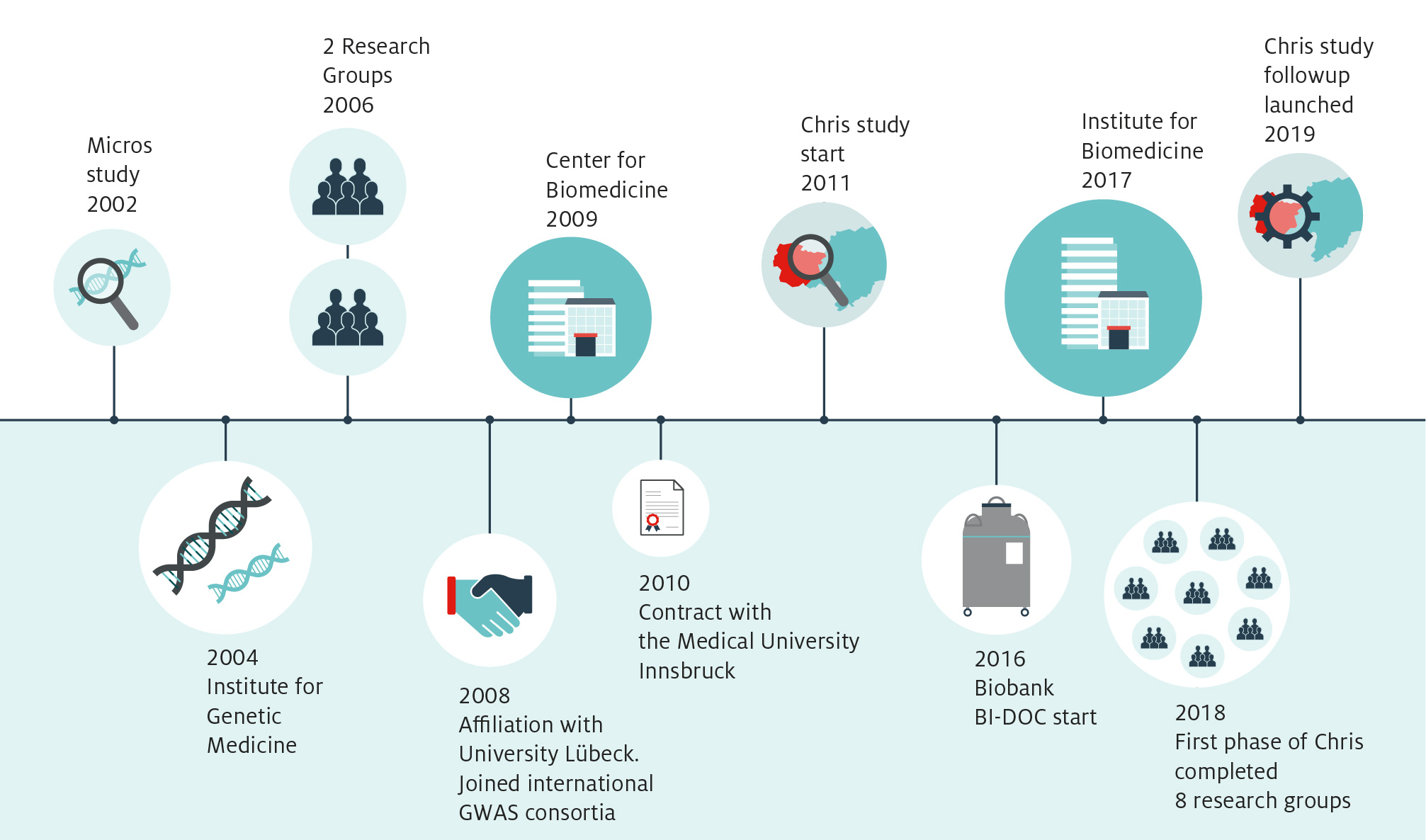
- In 2001 an agreement with the provincial government saw the launching of the GeNova project,
- In the years 2002-2003GeNova project was transformed to the MICROS study. The MICROS study, a population-based survey on three small, isolated villages, characterized by settlement a long time ago, small number of founders and slow/ null population expansion, began the collection and biobanking of resources for local research into the use of small, isolated populations to find genes involved in the etiology of disease.
- This led to the founding of the Institute for Genetic Medicine in 2004, and the consolidation of research groups using the tools of molecular genetics, genetic epidemiology and biostatistics in 2006.
- In 2006 we joined our resources with those from four other European centres to create the EUROSPAN consortium (European Special Population Research Network).
- The success of the cooperative approach led to an active period from 2008 to the present in which MICROS data has been successfully incorporated into some of the largest international consortia currently operating, generating scientific results published in the world’s top scientific journals. Over approximately 15 years, GWAS consortia have created some of the largest current experiments in biology.
- In 2011 the follow up to MICROS (the CHRIS study) began, enrolling over 13,400 people by December 2018 when phase 1 completed.
- In 2016 we opened the largest biobank in the region and created our first joint doctoral program (BI-DOC) in cooperation with the Medical University of Innsbruck.
- The first follow up phase of CHRIS began in 2019, and is ongoing despite a disruption due to the SARS-Cov2 pandemic. Extending our dedicated groups to focus on computational genomics/ metabolomics, translational genomics, mitochondria in health and disease, molecular neurodegeneration and biology of cardiac health and disease, will help maximise the health insights from this precious resource.
- As of 2020, online catalogues contain information from >4500 publications and >185,000 associations to thousands of health-related traits, which have led to new discoveries about genes and pathways involved in common diseases and other complex traits, provided a wealth of new biological insights, led to discoveries with direct clinical utility, and facilitated basic research in human genetics and genomics.
Our Mission & Vision
Mission
To foster biomedical research in the region and through this improve individual and population health both locally and beyond.
Vision
To make the Institute for Biomedicine into a state of the art internationally renowned R&D centre that will be a driver for innovative biomedical and translational health research.
Our principles
In pursuing our mission and vision, the fundamental principles and standards that consistently shape our thinking and approach are:
Consideration and respect for our stakeholders, who represent the purpose of our work, and enable us to do it.
Determination to produce knowledge that can be translated and applied, using the highest ethical standards.
Commitment to a culture of trust, communication, cooperation, and achievement.

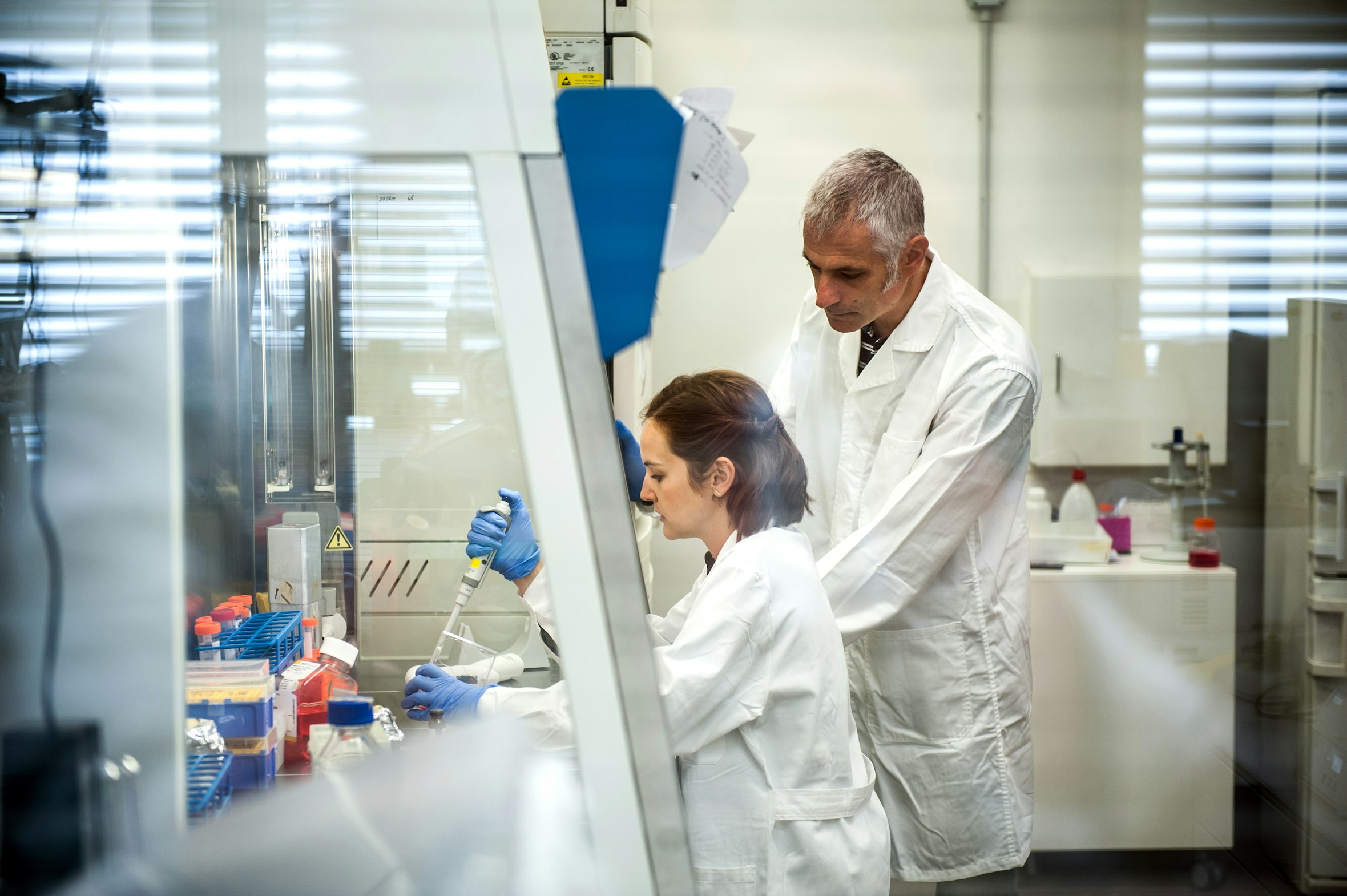
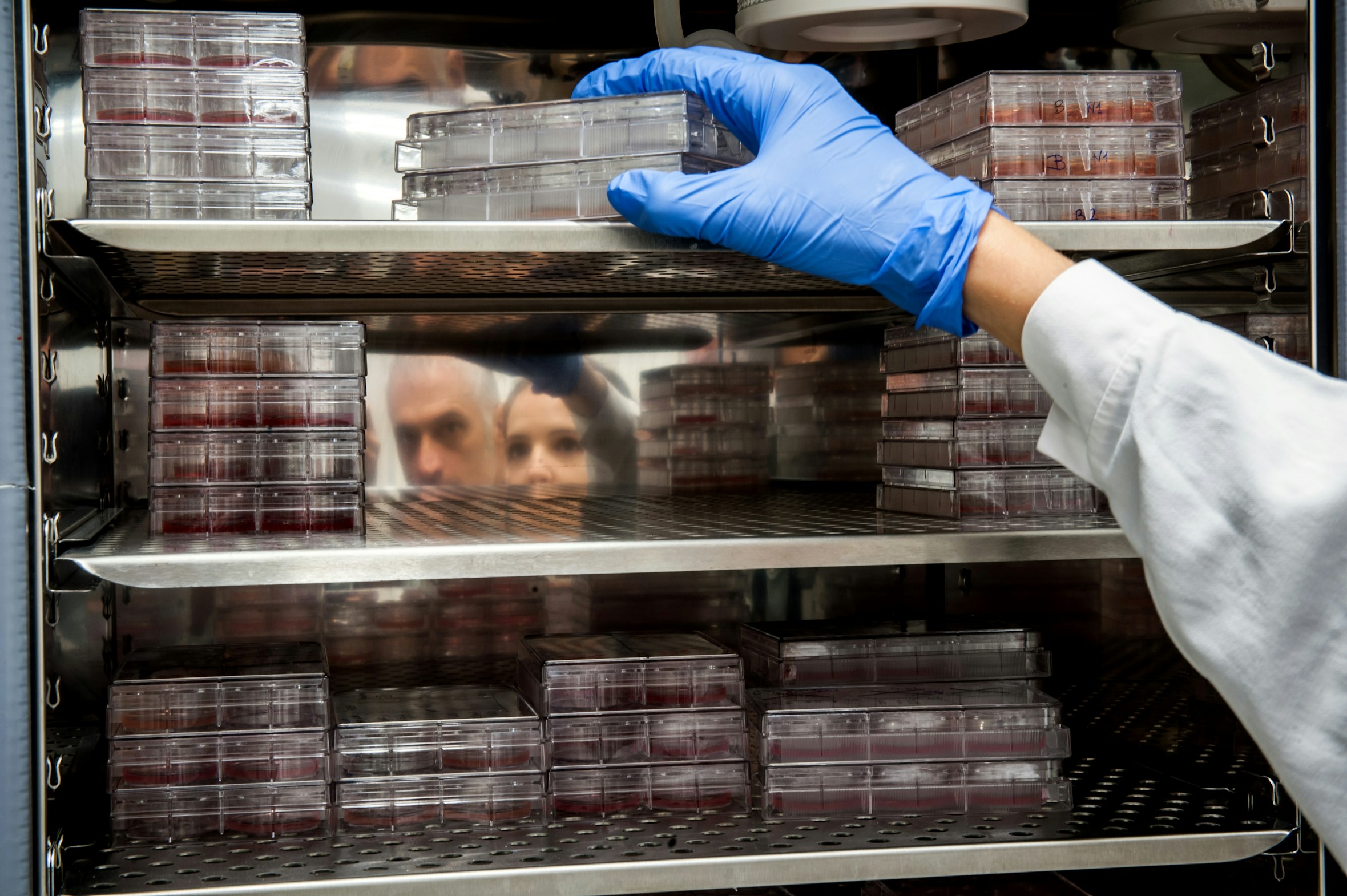
Institute for Biomedicine - Biomedicine Lab
Credit: Eurac Research | Ivo Corra'What we do
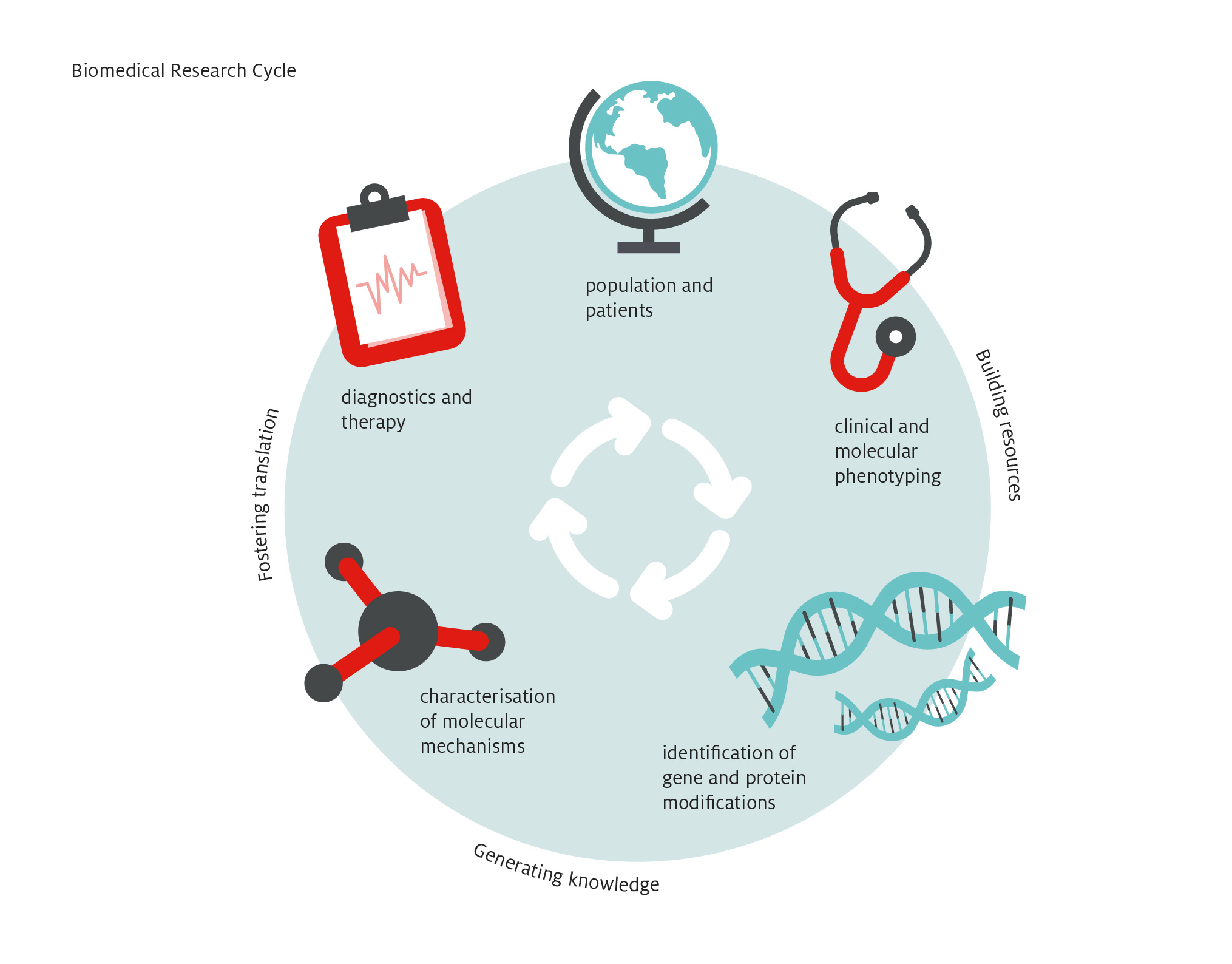
Our goals
Building Resources
Consolidate, expand, and continuously develop our resources to enable innovative biomedical and translational health research in the region for future decades.
Generating Knowledge
Investigate the basis of health and disease, focusing on molecular and genetic determinants, biomarkers and mechanisms, and use the knowledge generated to holistically explore precision medicine and health opportunities.
Fostering Translation
Promote translation of scientific discoveries into new solutions, products and services.
Our achievements
Scientific resources: We developed a cohort study (Cooperative Health Research in South Tyrol - CHRIS) in close partnership with the local healthcare provider, establishing a resource for future biomedical research. We have recruited the human expertise required to implement as well as maintain these resources, and to perform these research activities, and we are actively further training local young scientists.
Infrastructre: We successfully established the physical infrastructure needed for collecting, processing and storing biosamples. We established the laboratory infrastructure required to perform wide range of research activities, from analysing biosamples through to characterisation of molecular mechanisms of disease processes.
Parternships: We have built up academic ties to many renowned institutions both in Italy, and internationally. We have built up collaborative efforts with hundreds of research institutions globally through defined Consortia, leading to landmark studies on the characterisation of the genetic determinants of health-related traits.
Research solutions: We have established the IT solutions necessary for the collection, management and retrieval of data and biosamples. We have developed cutting edge ethical and legal frameworks for our research resources to allow for dynamic consent, recall by genotype, data sharing and deposition in databases, return of research results and secondary findings. We have worked at the highest level of EU ELSI networks and committees to oversee international planning for adoption of GDPR.
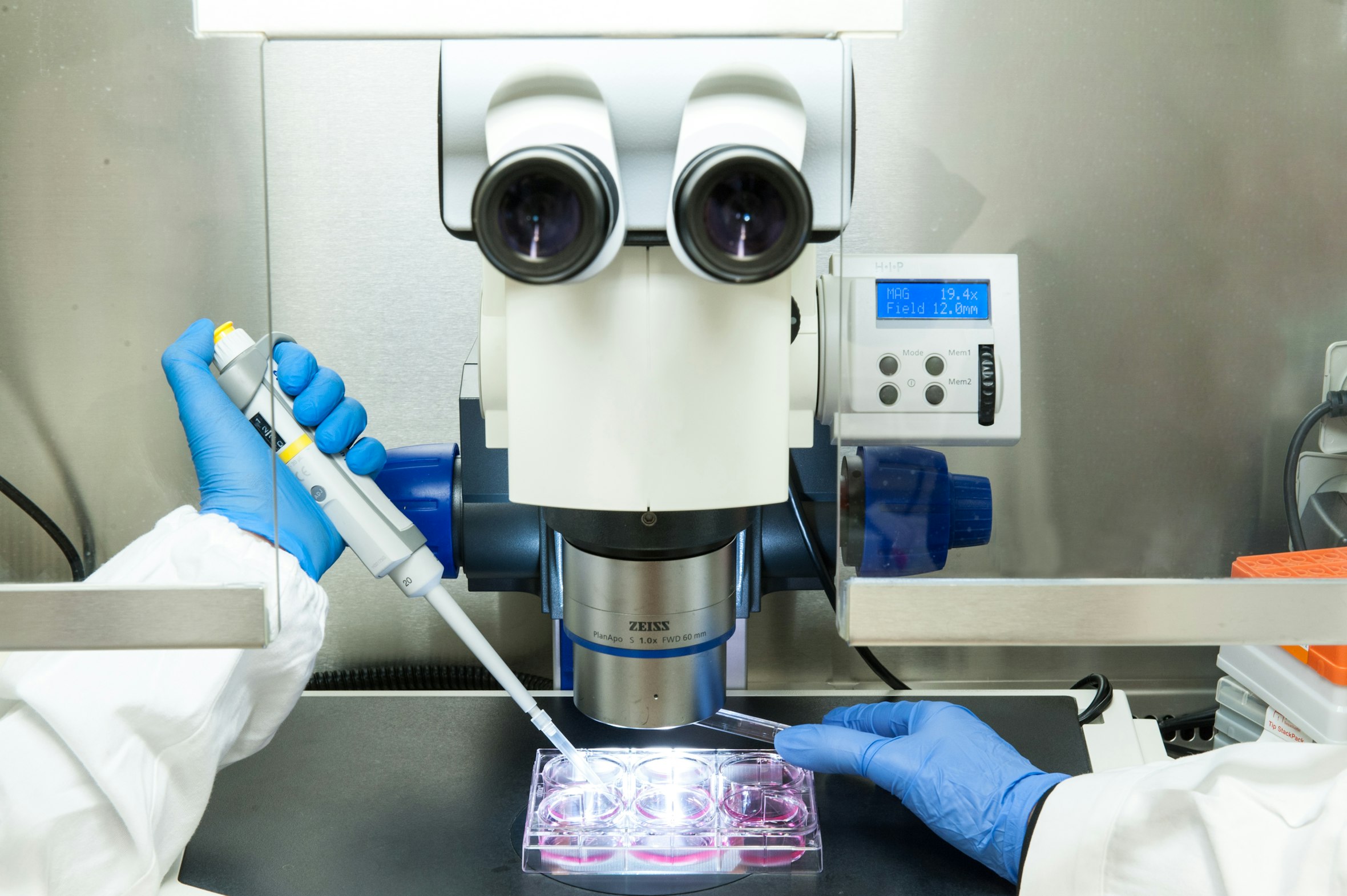
Research technologies: We have established many of the technologies to generate experimental cell models and support experiments on any tissue of interest. We established a dynamic imaging suite with technologies necessary to image cellular processes at high resolution, and contributed to the development of new sensor technologies through strategic partnerships with private sector and academia. We established and use technologies within the new Mass Spectrometry (MS) facility capable of performing very sensitive metabolic profiling. We successfully set-up two electrophysiology systems to functionally investigate living cells. Through our ongoing program of methodological research, we have established and developed statistical and bioinformatics tools to analyse our data. and we have made the tools available.
Our commitments
- We will continue to expand the Institute resources for biomedical research and for development of PMH research and potential solutions.
- We will ensure a strong and sustainable Institute that promotes biomedical research excellence.
- We will build in the flexibility that allows us to respond to emergent crises such as the COVID-19 pandemic of 2020.
- We will continue to actively explore translation al opportunities, including activities such as drug repurposing and screening, that may arise from our research activities and resources.

How we do it
Our resources
- A comprehensive set of complementary resources and infrastructure to conduct research now and in future years.
- Biobanks and data repositories comprised of individual health data, extended pedigree information, biosamples and high resolution molecular and genetic profiles.
- The right human and technical experts to use these data and biosamples effectively.
- A strong and active partnership with the local health care system, vital to create more precision health and medicine projects.
- An engaged and participative study population.
- Independence to creatively set the direction and focus of our research programs, with the flexibility to take advantage of opportunities as they arise, such as the COVID-19 pandemic in 2020.
- Novel areas of health data that distinguish CHRIS amongst similar studies elsewhere and allow us to create relatively unique and therefore highly competitive research projects.
Our people
Our people mean the world to us
Over the past five years, we have undergone a significant growth in personnel, hiring researchers (mostly at the PhD and post-doc level) and research support staff from all over the world, to increase our expertise in all areas. We guarantee equality (i.e. gender) and a motivating, stable and secure working environment. To support the professional growth of our staff and careers of young students, we developed diversified career paths and individual training possibilities
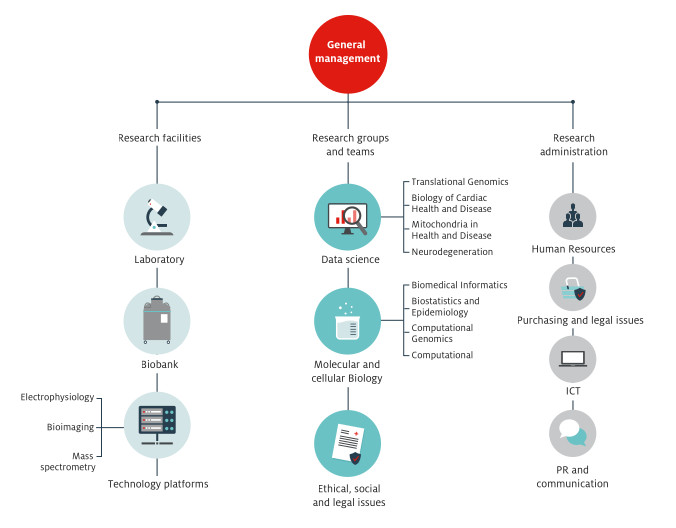
Our structure

Our Strategic Plan
Find out more about us in our Strategic Plan. Results, publications, funding and much more: the vision of our future.