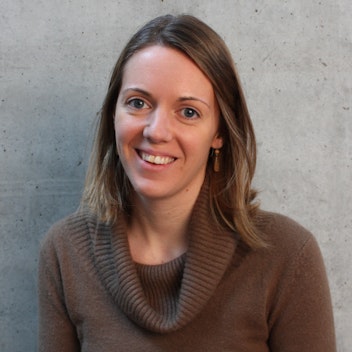
Die Herausforderungen klimabedingter Immobilität in Berggemeinden verstehen: Eine vergleichende Fallstudie zwischen den Anden und dem Himalaya.
Known as the “water towers” of the world, mountains are crucial yet fragile. They provide essential ecological
services not only to mountain communities but to huge population numbers downstream. However, their
ecological balance is increasingly being threatened in many mountain ranges worldwide due to changing climate and socioeconomic conditions, thus threatening the livelihoods and cultural rights of highland and lowland populations. These consequences of climate change are a significant driver of forced (out-)migration in mountain regions. Currently, research dealing with this topic is mainly focused on those who migrate but often overlooks the voices of those who remain -whether involuntarily trapped or experiencing a reinforced sense of place identity. Against this background, this PhD proposal addresses this knowledge gap by tackling the following research question: How does climate change-induced water scarcity influence mountain people's (im)mobility status?
Known as the “water towers” of the world, mountains are crucial yet fragile. They provide essential ecological
services not only to mountain communities but to huge population numbers downstream. However, their
ecological balance is increasingly being threatened in many mountain ranges worldwide due to changing climate and socioeconomic conditions, thus threatening the livelihoods and cultural rights of highland and lowland populations. For example, mountain ecosystems are warming at a faster rate than lowland areas, which together with altering precipitation patterns lead to changes in water availability in quantity and distribution throughout the seasons. In the short term, this accelerates the risk of floods and droughts posing a serious threat to drinking water supplies as well as irrigation and agriculture activities within and beyond mountains. These consequences of climate change are a significant driver of forced (out-)migration in mountain regions. Currently, research dealing with this topic is mainly focused on those who migrate but often overlooks the voices of those who remain -whether involuntarily trapped or experiencing a reinforced sense of place identity. This has been largely neglected not only by research but also by practice.
Against this background, this PhD proposal addresses this knowledge gap by tackling the following research
question: How does climate change-induced water scarcity influence mountain people's (im)mobility status?
This wide RQ is further subdivided into the following sub-questions:
1. Who are those remaining “immobile”? Are specific groups of the mountain societies (e.g., women,
youngsters) more affected and if, how?
2. If specific groups or communities decide to stay, why do they do that? How does the interplay of socio- economic, environmental (particularly water scarcity), and cultural factors shape their immobility
status?
3. Does international law play a role in supporting or limiting the aspirations and capacities of immobile
mountain populations? Additionally, building on my master's thesis, it asks: be a valuable tool to
enhance mountain communities' adaptation to climate change?
- Project duration: -
- Project status:
- Funding: Internal funding EURAC (Project)
- Institute: Zentrum zum Schutz und Erhalt von Gebirgsräumen
Discover
Verwandte Expertinnen und Experten, Publikationen und Forschungsthemen ansehen.








 Meine Cookie Einstellungen