


When conservation becomes expulsion: The Batwa and the cost of "green" protection
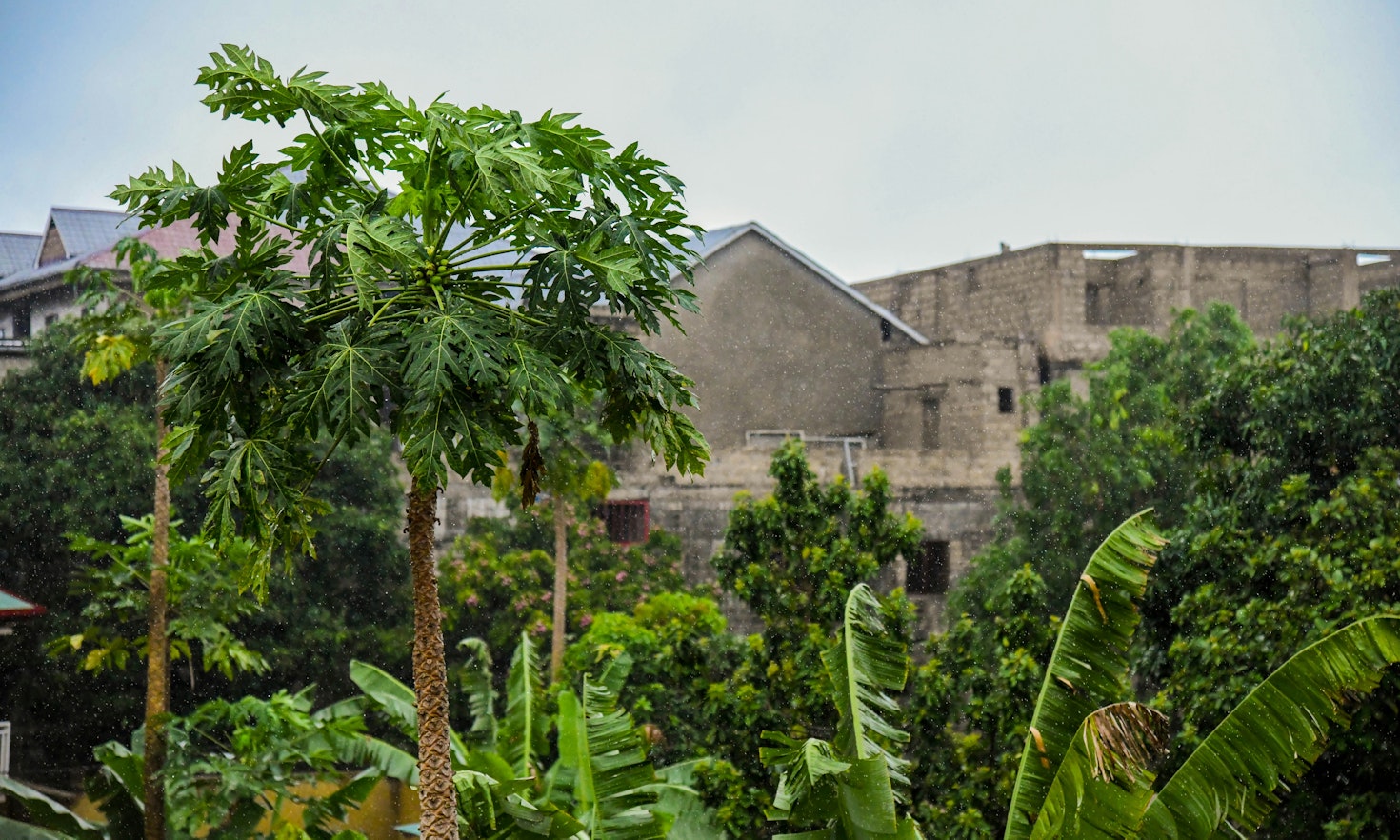
In eastern Democratic Republic of Congo, vast tropical forests have long been home to the Batwa, an Indigenous People from Central Africa. The forests today form the Kahuzi-Biega National Park, a reserve established in 1937 by the Belgian colonial administration and later designated a National Park in 1970 at the initiative of the Belgian photographer Adrien Deschryver. This change in administration led to the prohibition of human habitation and to the displacement of the Batwa.
The removal of the Batwa from their lands is a prime example of what is known as fortress conservation or green colonialism. This approach to conservation removes Indigenous Peoples and local communities from their ancestral territories in order to create protected areas managed exclusively by the state. Conservation, in this model, is pursued through exclusion.
More than displacement
For the Batwa, the forest was not only where they lived, but how they lived: it provided food, medicine, spiritual meaning, and social structure. Their identity and survival were closely tied to that land. Yet once the park was established, their presence was treated as incompatible with environmental protection.
This happened despite the fact that international law increasingly recognizes that Indigenous Peoples have specific rights over their ancestral lands and must be involved in decisions that affect them.
Exclusion from the forest meant more than displacement. It meant the loss of livelihood and legal invisibility. Many Batwa families were forced to settle on the edges of nearby villages, where they faced discrimination, became victims of land grabbing in their new settlements, and endured extreme poverty.
When patience runs out
Over time, tensions grew. In 2018, after years of broken promises about land restitution and resettlement, some Batwa groups returned to the forest hoping to reclaim their territory. The response was violent. Park paramilitary corps and the Congolese army carried out operations that destroyed villages, displaced families, and led to serious human rights abuses. Witnesses reported park guards and soldiers shooting civilians indiscriminately, shelling villages, and forcing people to flee under threat of heavy weapons. Many Batwa were killed, others were seriously injured, and some disappeared or starved while hiding in the forest. In July 2021 and again in November of the same year, further attacks by the park guards led to the destruction of additional Batwa settlements and to extreme violations, including murders and gang rapes.
These events exposed a deep conflict between conservation practices and Indigenous rights, one that lies at the intersection of environmental law, minority protection, and international human rights.
Legal action (and state inaction)
International law is clear on several points. Indigenous Peoples have the right to maintain their relationship with their traditional lands and resources. This principle is reflected in the UN Declaration on the Rights of Indigenous Peoples (UNDRIP), which affirms rights to land, culture, and self-determination, as well as the requirement of free, prior, and informed consent (FPIC) before adopting measures that affect Indigenous communities.
At the regional level, the African Commission on Human and Peoples’ Rights applies the African Charter on Human and Peoples’ Rights, which provides binding protection in terms of recognizing the collective rights of Indigenous communities alongside individual ones, including the right to freely dispose of natural resources (Article 21), the right to economic and social development (Article 22), and the right to culture (Article 17). It also protects property (Article 14), health (Article 16), equality and non-discrimination (Articles 2 and 3), and the obligation of states to adhere to Charter rights (Article 1). The DRC, as a state party, is legally bound by these provisions.
In practical terms, these rights mean that the Batwa cannot simply be removed from their ancestral lands without consultation, compensation or consent. The Batwa have the right to participate in decisions that affect their territory, to benefit from the natural resources found there, and to maintain their cultural and social structures. Conservation policies cannot lawfully ignore the Batwa’s existence or treat their land as empty.
Despite this legal framework, conservation policies in Kahuzi-Biega were implemented as if these obligations did not exist. The Batwa were never properly consulted. Their customary land rights were not formally recognized. Conservation was enforced through militarized means, often justified as necessary to combat poaching, but in practice disproportionately targeting Batwa communities.
A decision long overdue
The case of the Batwa was eventually brought before the African Commission by two NGOs: Minority Rights Group International and, Environnement, Ressources Naturelles et Développement – on behalf of the Batwa. The decision was formulated in 2022, but its publication was delayed for months which limited public scrutiny and follow-up.
In August 2025, the Commission officially published its decision (Communication 588/15), and found that the DRC had violated a wide range of Charter provisions, including Articles 1, 2, 3, 4, 14, 16, 17, 21, 22, and 24. In concrete terms, the state failed to respect non-discrimination, property rights, cultural rights, health, development, and the collective rights of the Batwa as a people. Importantly, the Commission rejected the idea that excluding Indigenous communities is necessary for conservation. It recognized that removing the Batwa from their land undermined both their survival and the environmental objectives of the park. The decision criticized fortress conservation and affirmed that Indigenous presence is not incompatible with biodiversity protection.
The remedies ordered by the Commission were extensive. It instructed the DRC to:
- recognize and legally demarcate Batwa ancestral lands through consultation;
- allow the Batwa to return to and manage those lands;
- remove laws and decrees prohibiting Batwa presence;
- ensure that Batwa communities’ benefit from revenues generated in the area;
- prioritize Batwa access to employment linked to park management;
- establish a community development fund; and
- ratify ILO Convention No. 169, the only binding international treaty which specifically protects Indigenous and Tribal Peoples. The Commission also called for accountability for abuses committed by park authorities and a public apology to the Batwa.
While the decision now exists, its implementation remains uncertain. Reports from civil society suggest that progress on the ground has been slow, and some local authorities continue to issue regulations that restrict Batwa access to their lands. This reflects a broader challenge in international human rights law: decisions by courts and commissions depend on political will for enforcement.
The Batwa case shows how easily rights recognized on paper can be sidelined when they conflict with powerful interests such as international conservation funding and state control over territory. It also highlights a recurring weakness in minority protection regimes: collective rights often struggle to compete with economic, environmental, or security agendas.
At the same time, the case reinforces an important point. Protecting nature does not require the people who have historically lived with it are removed. On the contrary, ignoring Indigenous rights often leads to instability, resistance, and environmental harm. If sustainability is to have real meaning, it must include the rights, knowledge, and participation of Indigenous Peoples.

Eugenia Ricciotti
Eugenia Ricciotti is a Master’s student in Human Rights and Sustainability at the OSCE Academy in Bishkek. She holds a Master’s degree in Law from the University of Trento. Her research interests focus on minority and Indigenous peoples’ rights, with particular attention to mobility, border governance, and climate justice. She also loves mountains, cats, and noodles in all their shapes.
Discover
Making research visible.
Find the connected experts, projects, publications, and research areas behind this blog post.


This content is licensed under a Creative Commons Attribution 4.0 International license except for third-party materials or where otherwise noted.








 My cookie preferences