


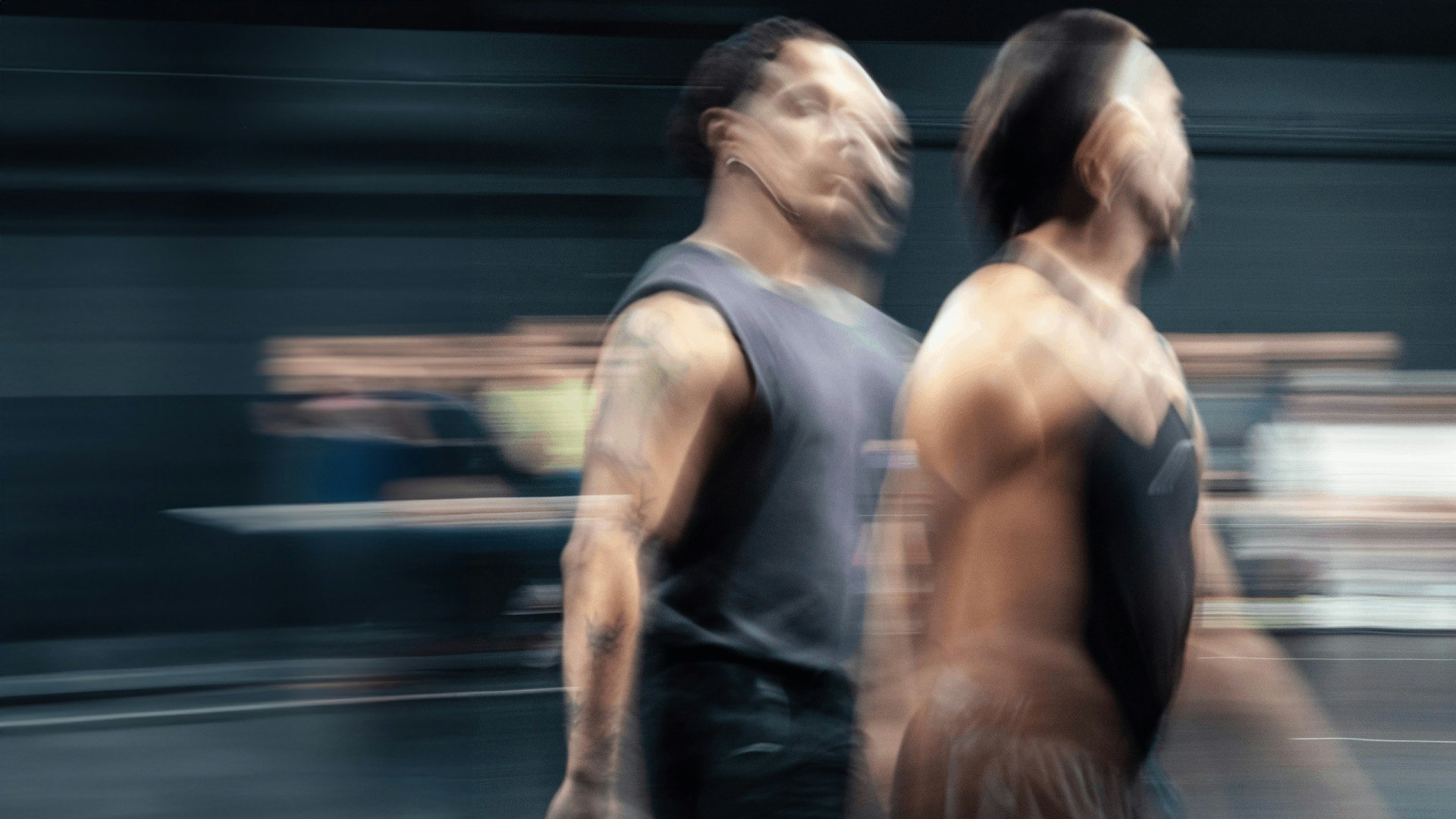
"Losing time to gain perspective"
How Art and Science can tell the story of our times – together
Giulia Isetti, when was the last time a work of art truly moved you?
Giulia Isetti: I recently saw Handel’s Giulio Cesare here in Bolzano. In it, there’s one aria I absolutely love, and hearing it live was very emotional. What always strikes me at concerts is the tuning, when musicians adjust their instruments just before the music starts. It sounds chaotic at first, but that chaos eventually gives way to harmony. The same thing happens in research: you distribute a questionnaire, collect tons of noisy data and then gradually, connections emerge, and a story unfolds.
Verena Wisthaler, if you were an artist, what part of your research would you bring on stage?
Verena Wisthaler: I think dance could powerfully express personal experiences:like what it feels like to flee your home country. However, my work focuses on institutional aspects. I’d love to see a performance based on the evolution of the European asylum system. The gap between humanistic language and increasingly restrictive policies offers great material for artistic interpretation. The way political parties approach immigration would also be a fascinating theme.
Was that the main reason you joined this project?
Wisthaler: It was a mix of personal curiosity and our mission at the Center for Migration and Societal Change. We aim to bring migration into as many public conversations as possible,to show its complexity and counter polarization.
What do you hope to gain from this collaboration with artists?
Isetti: I’ve done art and science projects before. At the beginning, there’s always a phase where I think, “Am I wasting my time and theirs too?” But once the initial chaos clears, I realize that those very moments gave me something valuable: a different point of view. Maybe it wasn’t an efficient use of time by academic standards, but it was still productive. What seemed like a loss turned out to be a gain.
Wisthaler: As a researcher, I’m used to planning everything and justifying every decision. That’s not how artists work, they often follow intuition. I noticed this when I collaborated with Maria Walcher on the exCHANGE project. When I asked her why she did something a certain way, she’d say, “Because I like it,” or “Let’s just try and see.” And when she asked me the same question, I couldn’t answer in the same way. That contrast really made me reflect.
What fascinates you more: the idea that art can emotionally convey knowledge, or the collaborative process itself?
Isetti: Both. There’s always the risk that art becomes a tool to make science more digestible. But what truly matters in this kind of project is the process. How we reach a result can be more interesting than the result itself. I love that the project is called BorderLab. Borders are geographical, social, political, but they can also be disciplinary. Science tends to pursue objectivity and detachment– a legacy of the Enlightenment. But if we think of Leonardo da Vinci, who was both artist and scientist, it’s clear that these worlds don’t have to be separate.
Last year, you involved the public in one of the exCHANGE projects. Did people react differently to artists and researchers?
Wisthaler: Maria Walcher installed a bright blue sofa and an old-fashioned shoeshine chair at Bolzano’s bus terminal. The idea was to explore public perception of foreign labor in South Tyrol. The setup sparked curiosity: people stopped by, asked questions, and engaged in conversation. I thought, if I’d just shown up with a notebook, it would’ve been much harder to connect with people.









 My cookie preferences