
What goes around comes around
The biomedical cycle of research for precision and prevention in health
How do biology and data science intersect to advance precision health at the Institute?
Andrew: The Translational Biology Group oversees all biological research at the Institute. Its mission is to move beyond purely academic studies and focus on developing products, services, and solutions for precision health. In the past, research was often done for its own sake, but that era is ending – funders and study participants are now keen to see basic research translated into some form of impact, that can actually improve people’s lives. We’re not a large institute but we aim to focus our technologies toward such real-world applications in health research. At the moment the biology research is organized into two key areas: translational genomics, identifying promising targets from genetic studies, databases, and literature and from there, investigating mechanisms using advanced human cell models to create disease-relevant systems such as engineered human tissues and 3D organoids, that can be precisely generated from the individual, in order to test interventional treatments in a realistic human context.
Francisco: Our Health Data Science Teams has three branches– Biomedical Informatics, Biostatistics, and Computational Genomics. Our teams have complementary expertise and work closely together. The primary data source we use is the CHRIS Study, a local population study, though we also draw from other past and parallel studies. Our goal is to investigate the determinants of human health, especially focusing on genomics and lifestyle factors. We’ve collected a wide range of health traits and measurements from clinical lab parameters alongside data on genomics, proteomics and metabolomics. We are dedicated to the curation and processing of this data to provide a high-quality resource for biomedical research, and we are now actively engaged in the analysis of this data within our ongoing biomedical research activities. The Health Data Science groups have also made methodological contributions and have been developing software tools for data analysis and processing as part of international collaborative efforts providing open-source solutions to the research community. We are also mining these data resources to identify potential therapeutic opportunities that can be experimentally validated and further developed by the Translational Biology group. In addition, we are designing and setting up new studies providing us with the necessary resources for the development of new approaches for precision prevention. The idea is to set up resources based on health studies, learn from the data collected to improve prevention, and further explore experimentally new potential opportunities for therapy. All the valuable experience and knowledge helps us design and set up new resources in a continuous cycle of learning and improving.


Data science in biomedicine uses computers and data to understand health and disease, helping improve diagnosis, treatment, and research.
Credit: Eurac Research | Annelie BortolottiWhat is Precision Health?
“The idea is to set up resources based on health studies, learn from the data collected to improve prevention, and further explore experimentally new potential opportunities for therapy. All the valuable experience and knowledge helps us design and set up new resources in a continuous cycle of learning and improving.”
Francisco Domingues
From reactive to proactive medicine then?
Andrew: Yes, you could say that. On the biology side, we’re currently focused on neurodegenerative diseases such as Parkinson’s Disease and arrhythmogenic cardiac disease. For each, we’ve identified a set of target genes that we are currently focused on: three for neurodegeneration and two for cardiovascular conditions. We’ve uncovered their mechanisms, and we’re designing specific novel biological drugs in order to understand, and possibly correct for, the defects caused by these mutations. To support this, we use advanced human cell models like engineered heart tissues and brain organoids to test treatment in systems that mimic the relevant human organs. Parkinson’s affects specific regions of the brain like the midbrain, and our midbrain organoids allow us to model these areas in vitro. The field is shifting from traditional “one-size-fits-all” drug development to precision medicine. Now, we aim to create precise models of disease, stratify individuals using genetics and multi-omics data and target treatments to those most likely to respond. The goal is to optimize therapies for the “best responders,” rather than trialing broadly and hoping for success.
Francisco: This “stratification” isn’t just about identifying who might benefit from a drug, it’s about understanding the complex interplay that shapes a person’s health risks and treatment responses. Genetics provide a foundational layer but are only part of the picture. Lifestyle choices like diet, exercise, smoking, and alcohol use, along with environmental exposures and socioeconomic factors also influence disease. By integrating data on these responses, we can define subgroups of individuals who share not only genetic susceptibilities but also similar environmental and lifestyle risk factors. This means that instead of considering everyone with the same condition as if they’re identical, the goal is to provide a specific preventive or therapeutic strategy for the right subgroup of people. Look at it like this, two people with the same preclinical metabolic condition might require very different prevention plans if one has a sedentary lifestyle and poor diet. Medicine has been tackling disease very successfully, the focus on addressing preclinical stages of disease with new prevention approaches allows healthcare providers to be more proactive in protecting individual health and delay disease onset as much as possible.
Andrew: Ultimately, this approach enables a shift from reactive medicine – waiting until someone is sick, to being proactive. Precision prevention has tangible effects: improving quality of life and reducing the overall burden on healthcare systems.


Organoids are grown by placing stem cells in a special gel with nutrients, where they self-organize into tiny, organ-like structures.
Credit: Eurac Research | Annelie Bortolotti“Traditionally, research has focused on disease, but health status itself is also a phenotype worth studying.”
Francisco Domingues
What does precision prevention mean in practice?
Andrew: It means finding someone who may be at risk of developing a specific disease and tailoring a program to prevent them from becoming sick in the first place. But obviously, some people are going to become sick because of genetics and other factors, hence the need to also develop precision intervention strategies that may be able to slow disease progression. Genetic predisposition to Chronic Obstructive Pulmonary Disease (COPD) is a good example, where mutations in a particular gene (SERPINA1) greatly increase the risk of developing the disease if you have ever smoked. If you carry this variant and never smoke, you may be at much lower risk of ever getting the disease.
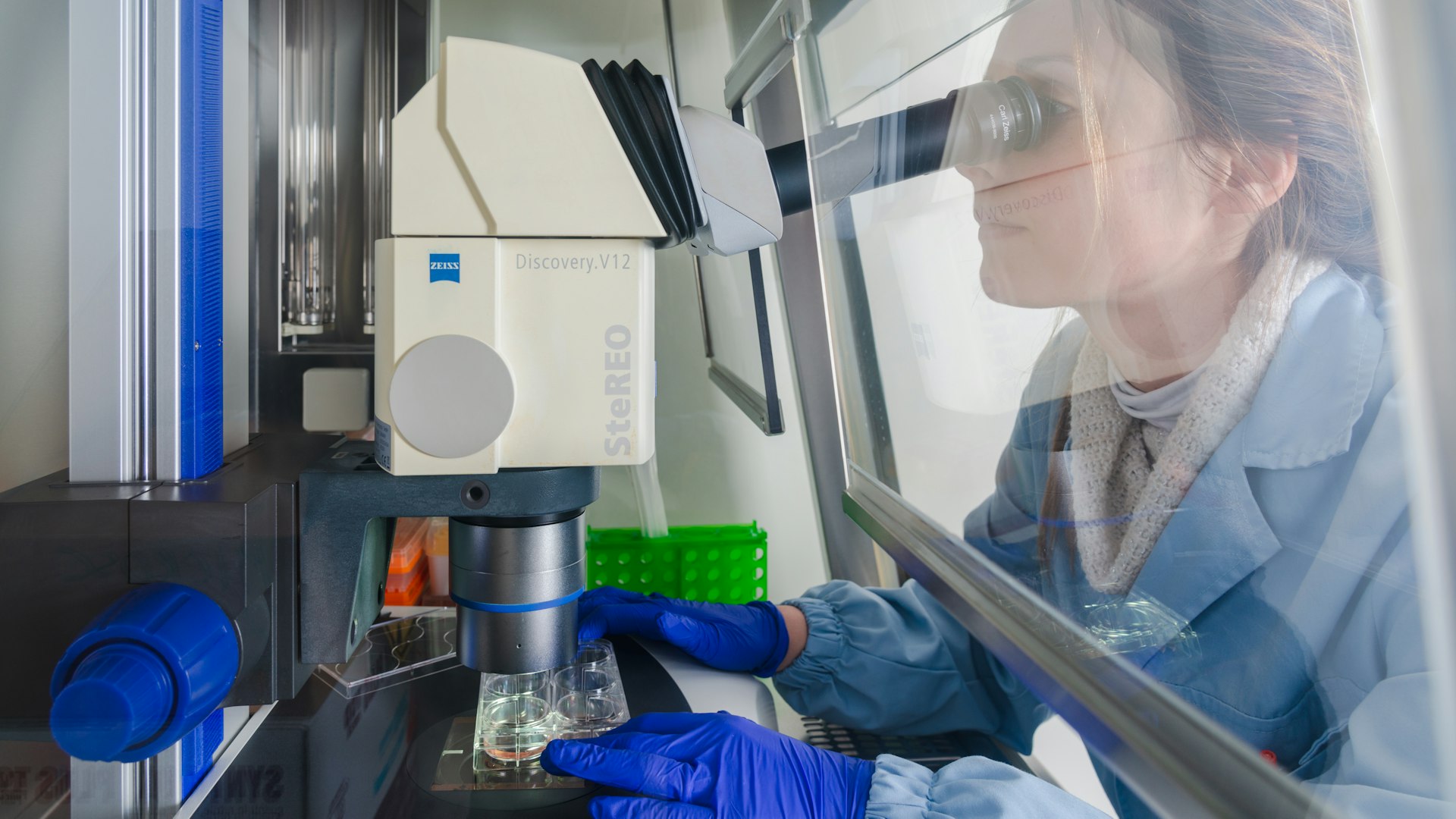
In the cell room at the Institute for Biomedicine, scientists grow and study living cells under controlled, sterile conditions.
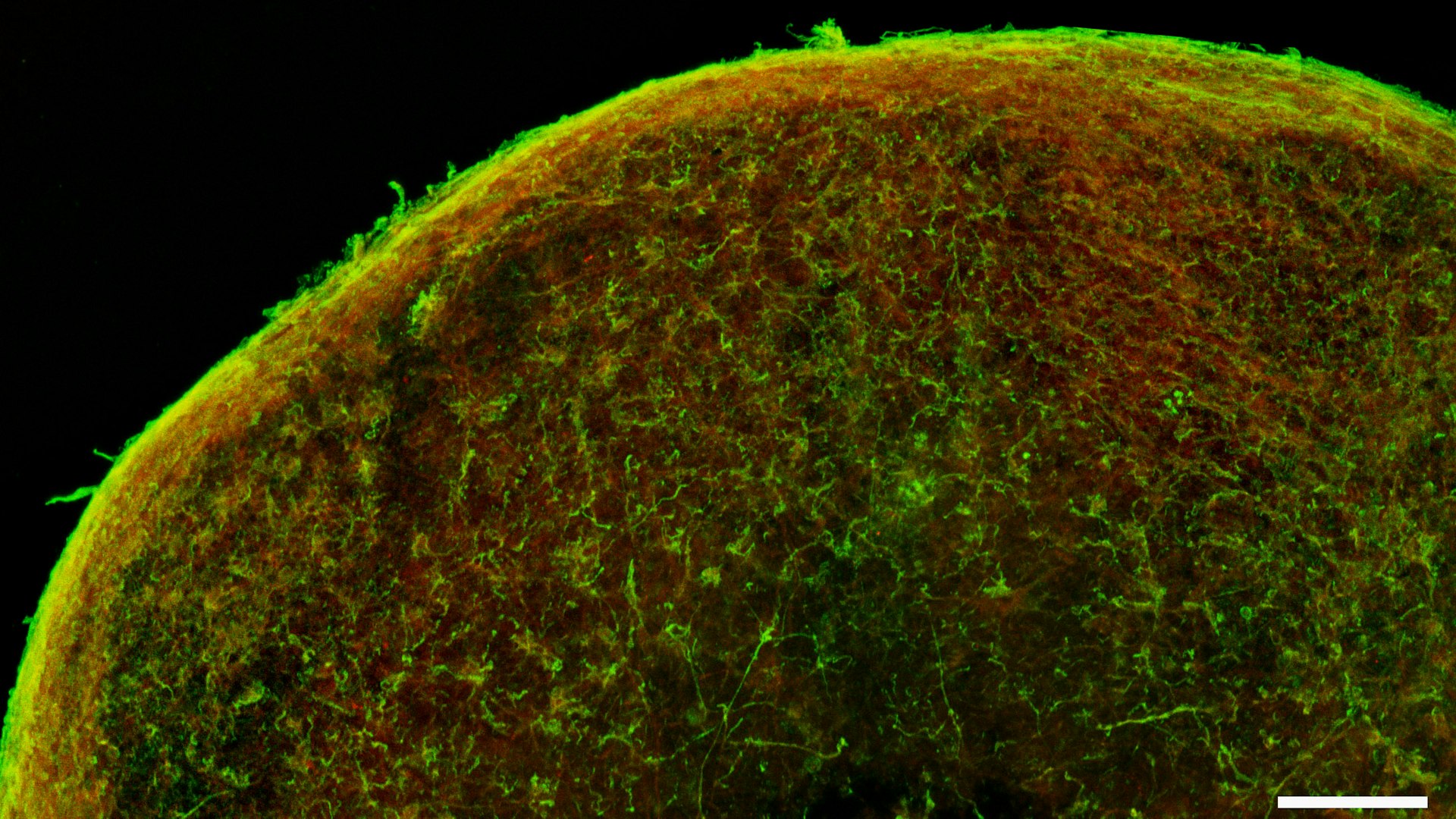
In Parkinson‘s disease, dopaminergic neurons in a part of the brain called the substantia nigra die, leading to low dopamine levels and causing movement problems like shaking and stiffness.
How is genetics helping us better predict and prevent diseases?
Andrew: A major trend in health research is understanding how genetic variants affect protein function and, ultimately, health. Over the next 5 to 10 years, advances that also include Machine Learning/A.I., to better link and mine health data, will allow us to predict future health risks more accurately based on genetics and other types of molecular biomarkers. This will enable earlier, tailored preventive programs using targeted therapies such as food as medicine and other lifestyle interventions. These strategies already exist but need refinement and precision. This approach isn’t just for adults, as in the UK, newborn genetic screening in a pilot study of 100,000 newborns is creating a database to support this work, and a fund of £650 million (approximately €754 Million) has been pledged as part of the NHS’s (UK National Health Service) 10-year health strategy. While there are ethical concerns about use of this type of data, robust frameworks like those developed within the CHRIS Study ensure data is used responsibly. In our own Parkinson’s Disease research, we’ve identified three genetic targets which we are currently focusing on. Because we understand some of the pathways affected by mutations in genes like GBA1, LRRK2, SNCA and PRKN, that contribute to a significant proportion of Parkinson’s Disease patients worldwide, our targets and pathways were chosen to try to protect cells, even in mutation carriers. We’re designing molecules, and investigating strategies that will be particularly focused in the brain, so that we can limit side effects in other parts of the body.
“Ultimately, this approach enables a shift from reactive medicine – waiting until someone is sick, to being proactive. Precision prevention has tangible effects: improving quality of life and reducing the overall burden on healthcare systems.”
Andrew Hicks
Technology is rapidly developing, is the research able to keep up?
Francisco: Traditionally, research has focused on disease, but health status itself is also a phenotype worth studying. Instead of just treating disease, we can focus on protecting health by finding the best approaches for different groups of people. In one study using omics and proteomics data from the CHRIS cohort, we identified molecular signatures associated with general health. Specifically, we found that serotonin levels in the blood are related to health status, where healthy individuals tend to have slightly higher circulating serotonin levels. Understanding this could help us better characterize health. This is just one example of how we can use existing data to identify molecular markers that reflect overall health. In parallel we are actively working on developing the research methods and tools to analyze the data being generated with new technologies and higher throughput.
Andrew: I attended the Microphysiological Systems World Summit in June this year, which focused on systems - also known as organ-on-a-chip – as well as organoid technologies. These platforms are rapidly advancing and becoming more widely accepted. Many research groups are now developing chips that incorporate two, three, or even four interconnected “organs”. This allows us to study how, for example, a compound is metabolized in the liver and how its by-products then affect the heart, kidneys, or brain. These systems are already being used in several new drug designs submitted for regulatory approval, marking a significant shift away from animal testing into more human-relevant systems. While somewhat exaggerated, this failure to replicate in humans what has been seen in mouse models, is captured by a concept often repeated in the field – that in mice, we’ve cured cancer thousands of times, but most of those findings never made it to humans.
Francisco: Mouse models are great in providing insights into molecular biology but poor for predicting human therapy outcomes. That’s why we use brain organoids and engineered tissues, like heart tissues, which better mimic human health conditions and response to therapeutics.
What’s next?
Andrew: We are currently looking at strategic partners that can help us develop and enhance our new biological drugs for our current disease targets. Next year, we also plan to broaden our research focus by launching new programs dedicated to kidney health. Our goal is to apply the same comprehensive approach we’ve successfully used in neurodegeneration and cardiovascular diseases. This means first identifying key genetic targets linked to kidney conditions through comprehensive data mining, then investigating the underlying biological mechanisms of selected targets that are driving disruptions in kidney function. Following this, we will work on designing and testing precise therapeutic strategies tailored to those genetic insights, using advanced human cell models and organ-on-a-chip technologies.


Andrew and Francisco outside the Institute for Biomedicine building at NOI Techpark
Credit: Eurac Research | Annelie Bortolotti







 My cookie preferences