
Safe Travels: an international forum for collective reflection


Harald Pechlaner, Antje Monshausen, Mark Lewis, Alessandra Priante, Hans Zollner, Bernhard Kotsch and Guillaume Landry
Credit: Eurac Research
Mark Lewis and Hans Zollner
Credit: Eurac Research
Introduzione di Harald Pechlaner
Credit: Eurac Research
Contribution by Hans Zollner
Credit: Eurac Research
Contribution by Alessandra Priante
Credit: Eurac Research

Human dignity between protection and care
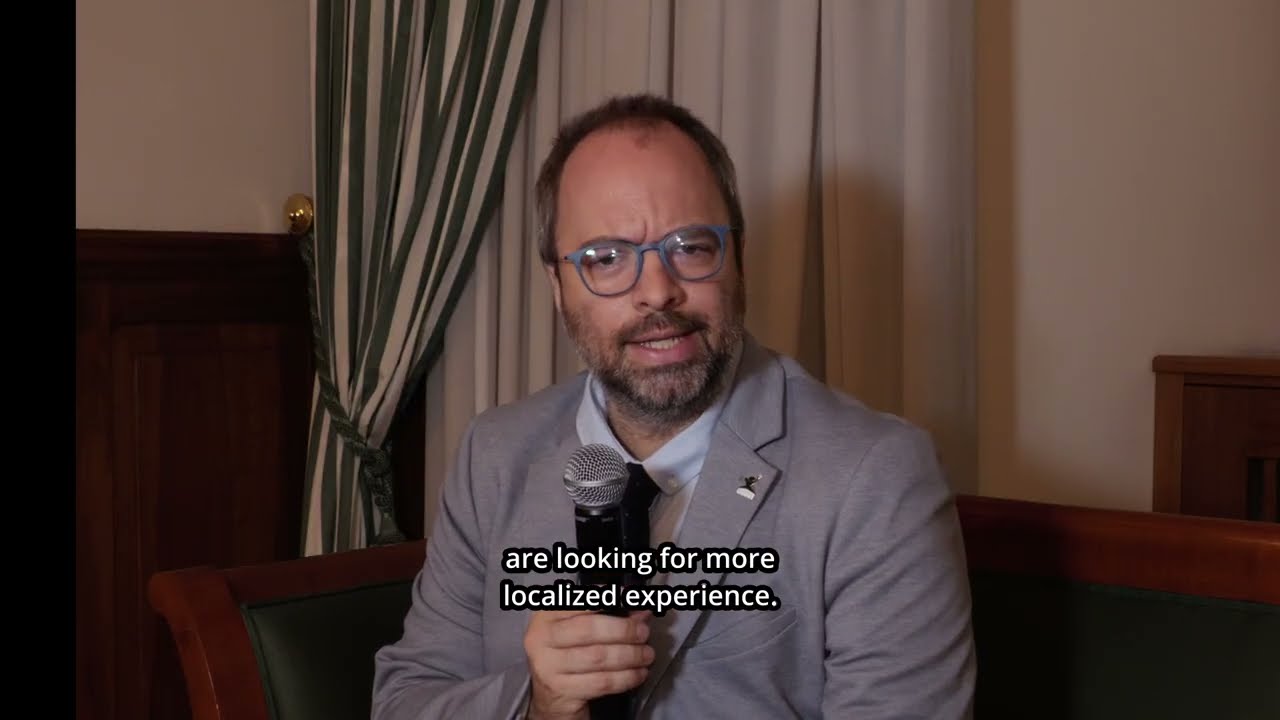
Guillaume Landry, Executive Director of ECPAT International, opened the presentation series by calling attention to the broader meaning of sustainability: "Sustainability is not just about recycling plastic bottles. Without the protection of children, there can be no real sustainability." He emphasized that wherever children are present, there is a real risk, and the tourism industry must accept greater responsibility. One practical tool to counter abuse is ECPAT's Code of Conduct - the Code, introduced in 1996, which companies can voluntarily adopt.
Hans Zollner underlined the importance of facilitating information exchange among stakeholders in child protection. Key measures include clear recruitment policies, parental involvement, effective reporting mechanisms, collaboration with child protection institutions, and robust education and training programs. "Safeguarding means creating safe environments, procedures, and relationships in which children and other vulnerable groups are protected from abuse at all times," he explained. He also noted that the Institute for Anthropology is ready to collaborate on research initiatives within the tourism sector.
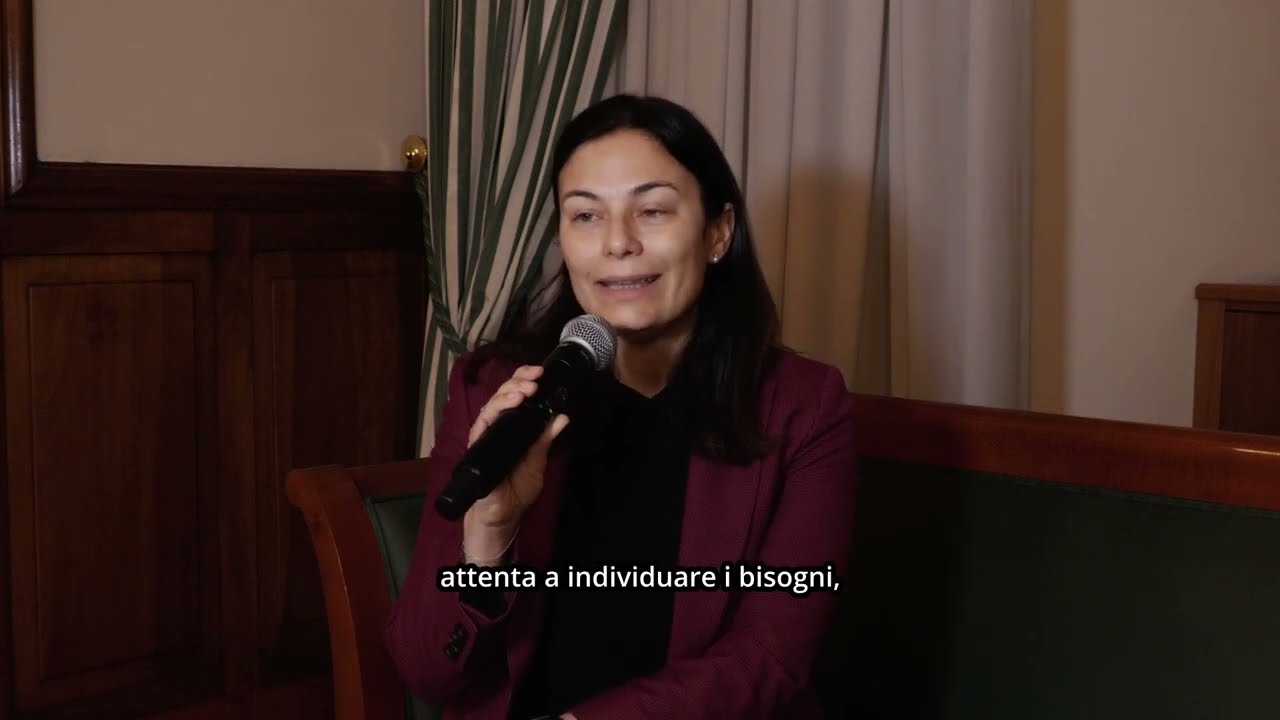
The concept of care was brought into the discussion by Elisa Piras, researcher at the Center for Advanced Studies at Eurac Research. In her presentation, she introduced a recent study conducted with fellow researcher Giulia Isetti, analyzing the legal context and global and Italian data on child abuse, with a special focus on sex tourism. Piras advocated for integrating a care-based approach into tourism practices – a concept rooted in feminist theory that emphasizes recognizing human needs and fostering restorative relationships. "This approach could help shift the focus from profit-driven tourism to a truly sustainable and responsible model centered on human dignity."
Antje Monshausen, Director of ECPAT Germany, detailed the various areas of her organization’s work – from prevention and education to partnerships with private companies and the production of educational materials. As a best-practice example, she cited new guidelines by tour operator DERTOUR, which refrains from certain activities (such as school visits or dance performances) in favor of supporting community-based projects. Companies, she noted, can identify risk factors, establish reporting protocols, train staff, and inform travelers.

Speakers from left to right: Antje Monshausen, Hans Zollner, Elisa Piras, Alessandro Nucara, Yasmin Abo Loha, Antonio Barreca, Guillaume Landry, and Harald Pechlaner
Credit: Eurac Research
Contribution by Guillaume Landry
Credit: Eurac Research
Interview with Hans Zollner
Credit: Eurac Research
Contribution by Elisa Piras
Credit: Eurac Research
Interview with Elisa Piras
Credit: Eurac Research
Contribution by Antje Monshausen
Credit: Eurac ResearchChild protection in the Italian tourism sector
Alessandro Nucara, Director General of Federalberghi, emphasized the importance of awareness and staff training. He announced plans to promote the Code of Conduct within his organization. While hotel registration systems generally function well to protect children, this is not always the case with newer accommodation models, which pose additional risks. Antonio Barreca, Director General of Federturismo, echoed these concerns: "Criminal phenomena like sex tourism can only be addressed through legislation, awareness-raising, and education." Federturismo has invested in training programs for years to help staff recognize warning signs and identify offenders.

Discussion with Alessandro Nucara, Antonio Barreca, and Harald Pechlaner
Credit: Eurac Research

Case studies and best practices and final discussion
The afternoon program featured case studies and further dialogue. Marko Koščak, Associate Professor at the Faculty of Tourism at the University of Maribor, advocated for stronger inclusion of children and youth in shaping the future of tourism destinations. "Our comparative study across six European regions shows that people under 18 are rarely consulted about their travel experiences or included in planning relevant measures."
Further insights came from Bernard Malasi, a priest from the Diocese of Malindi (Kenya), and Thais Loera Ochoa, Executive Secretary of SIPINNA (Child Protection System) in the Mexican state of Jalisco. Malasi explained how the principle of safeguarding aligns with the Church's pastoral mission. A training center on these topics has been in place in Malindi since 2005. Loera Ochoa emphasized the importance of an integrated system that brings together public institutions, academia, civil society, and the private sector to implement more effective measures and promote broader societal awareness.
In the concluding panel discussion, Harald Pechlaner, Hans Zollner, and Alessandro Nucara were joined by Yasmin Abo Loha (Secretary General of ECPAT Italy), Federica Giannotta (Advocacy Director at Terre des Hommes Italy), and Kerstin Dohnal (Project manager at ECPAT Austria). "Data collection is not enough. Safeguarding must become a political priority – we need political solutions," Giannotta stressed. NGOs have already taken the lead by implementing binding child protection policies. Dohnal agreed: "In times of rapid change, political leadership is essential, even as the private sector plays a vital role through its data expertise." In the Italian context, Yasmin Abo Loha called for a unified effort by tourism stakeholders to launch a long-term, multi-level initiative. "Civil society organizations, too, must strengthen their networks to revive the dialogue that began before the pandemic."
In closing, Harald Pechlaner reaffirmed that tourism must assume responsibility: "Tourism is not a victim but a driver of change." A credible and trustworthy tourism industry must be genuinely sustainable – including in its commitment to child protection. Collaboration is key. Alessandro Nucara echoed this sentiment, stating that the industry is ready to engage. Hans Zollner concluded with a succinct summary: "What we need are the three Cs: competence, cooperation, and centering focus."

Final discussion with Hans Zollner, Kerstin Dohnal, Federica Giannotta, Yasmin Abo Loha, Alessandro Nucara, and Harald Pechlaner
Credit: Eurac Research
Contribution by Marko Koščak
Credit: Eurac Research
Contribution by Bernard Malasi
Credit: Eurac Research
Hans Zollner, Kerstin Dohnal, Federica Giannotta, Yasmin Abo Loha, Alessandro Nucara and Harald Pechlaner
Credit: Eurac Research
Safe Travels: Child protection and sustainable hospitality – Morning session

Safe Travels: Child protection and sustainable hospitality – Afternoon session
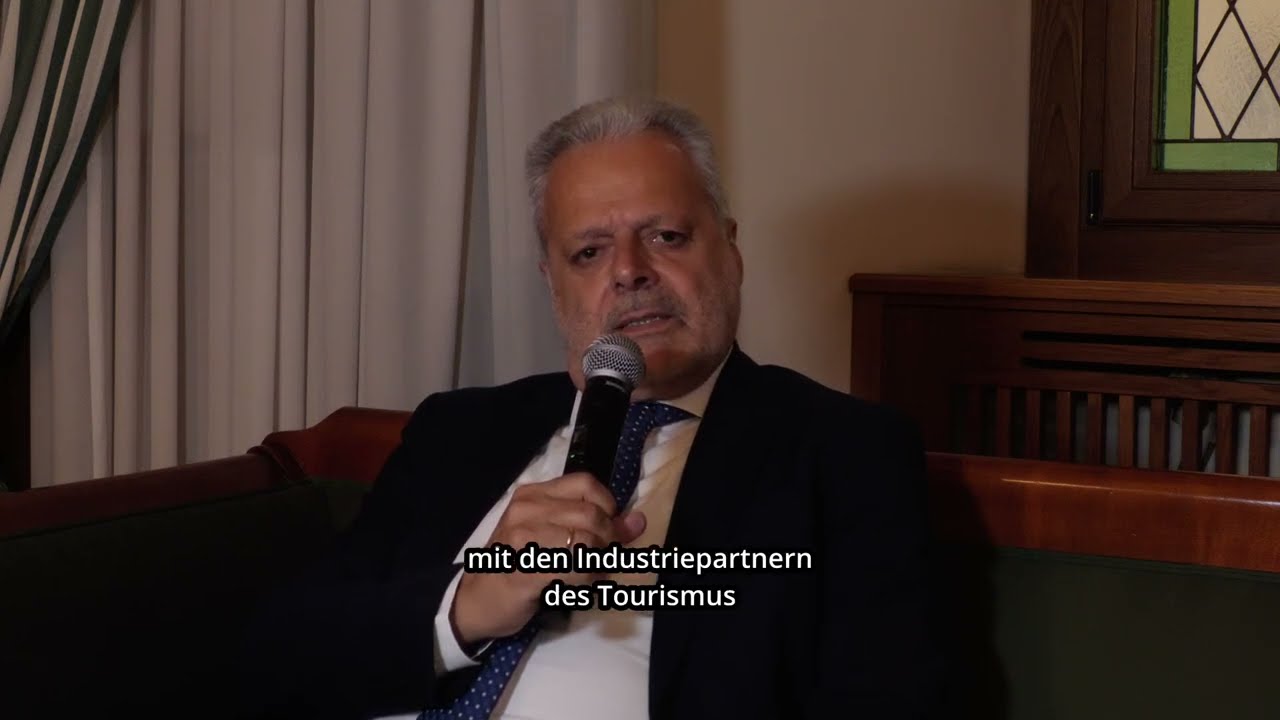
Harald Pechlaner: Nachhaltigkeit und Kinderschutz im Tourismus
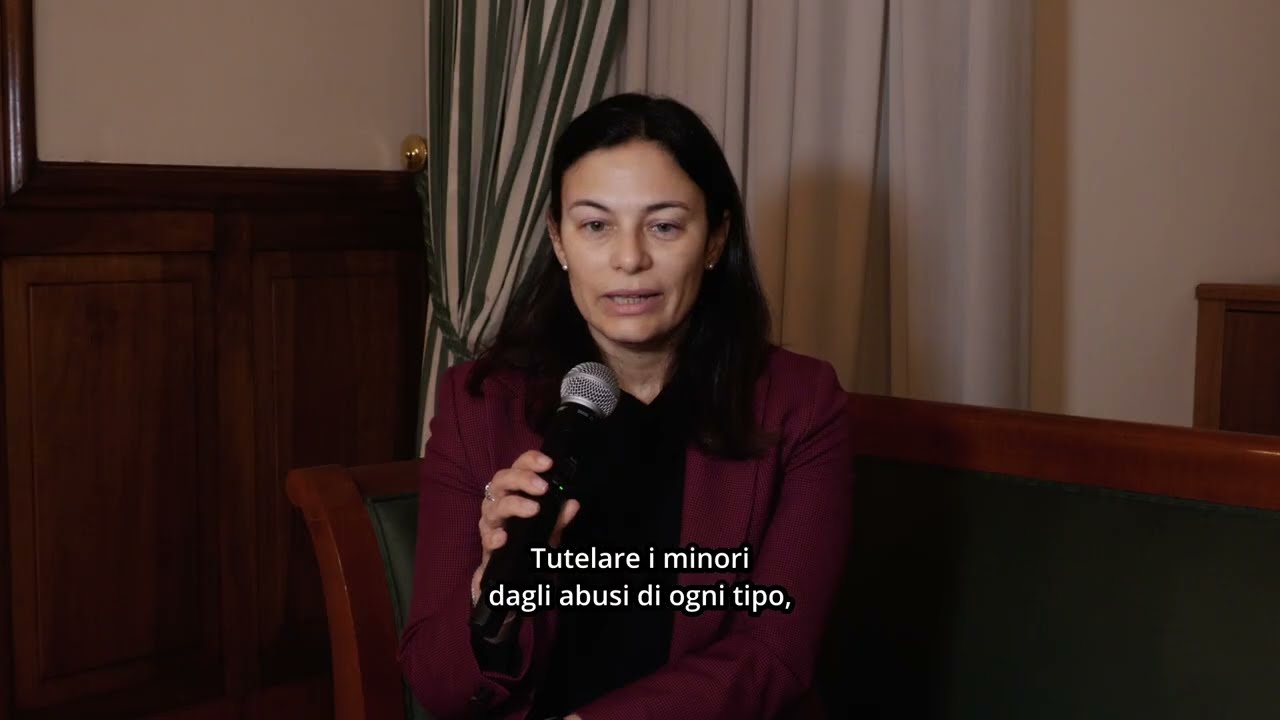
Elisa Piras: Tutela minorile e quadro normativo
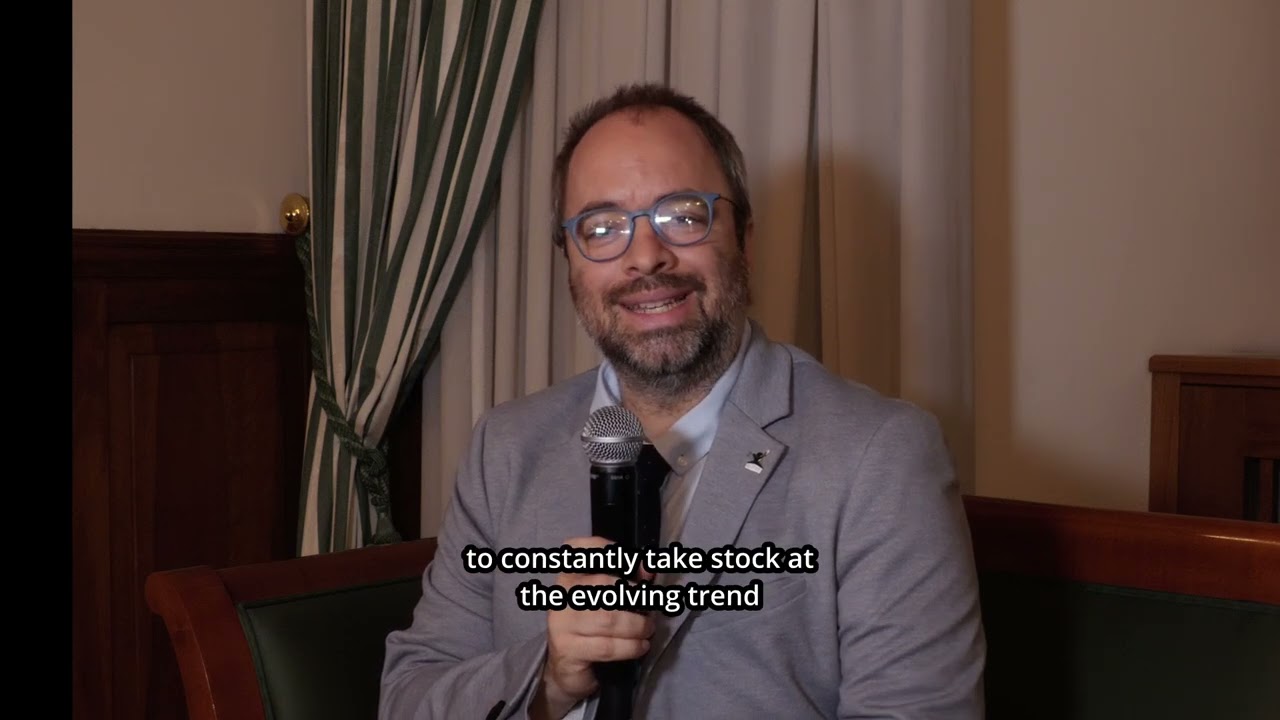
Guillaume Landry: Measures to protect children
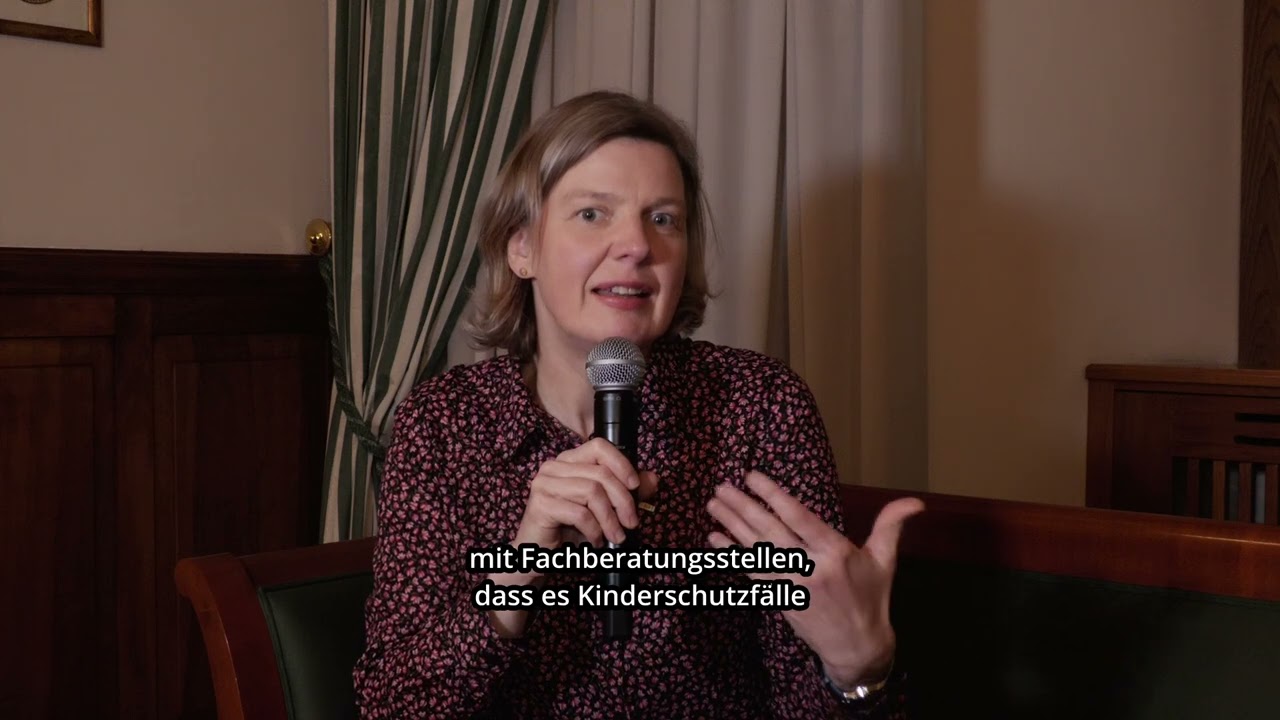
Antje Monshausen: Kinderschutz im Tourismus in Deutschland

Hans Zollner: Safeguarding and care

Marko Koščak: Involving and protecting children
Elisa Piras: Tutela dei minori e cura
Guillaume Landry: New challenges in child protection
Contact








 My cookie preferences