


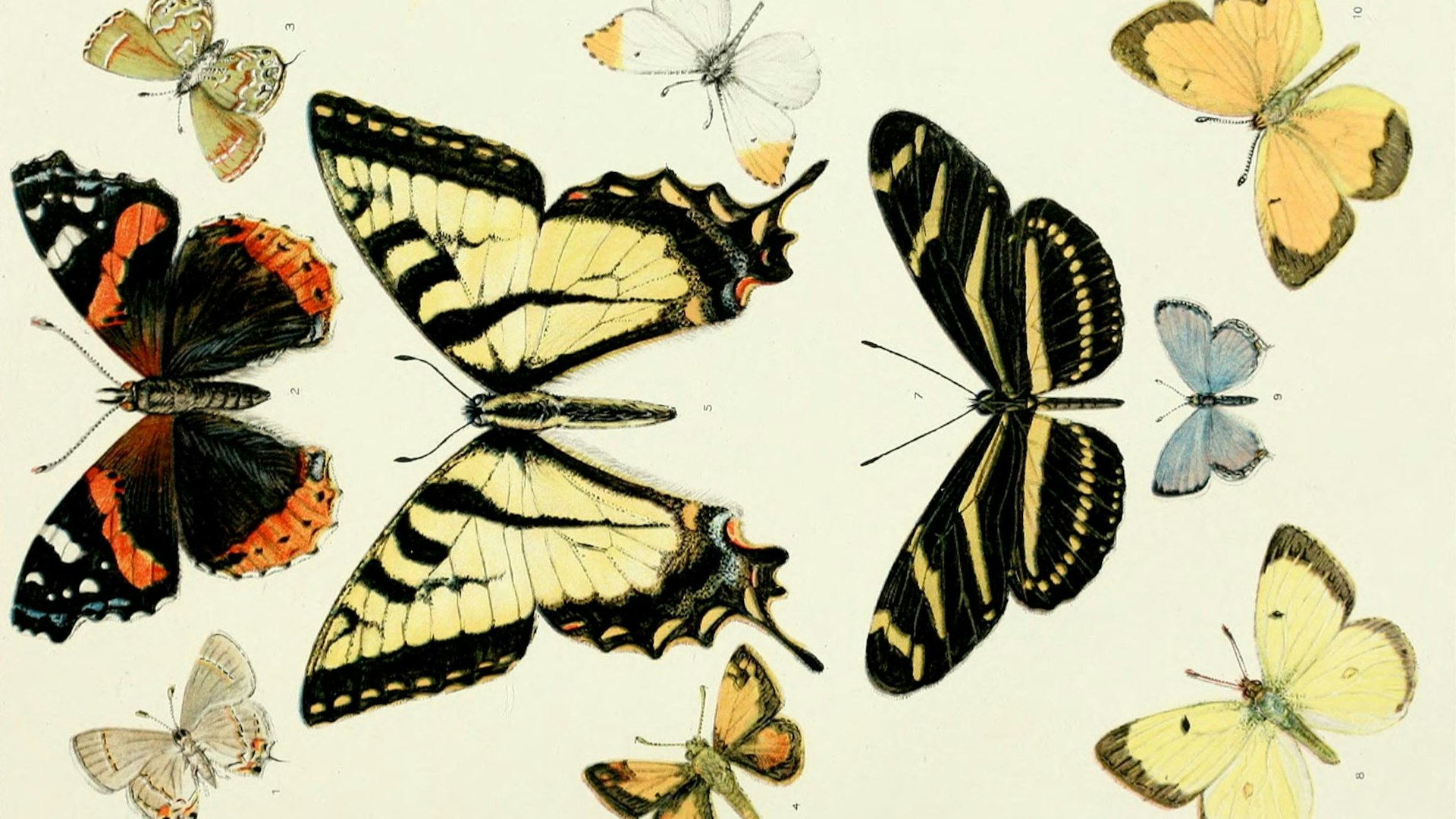
Butterflies on the move
Butterfly species’ ranges are shifting more dramatically than previously thought, driven primarily by climate change
Led by Monash University in Melbourne, Australia, the researchers analyzed more than 6,100 documented changes in the ranges of 1,758 species. To capture global trends as comprehensively as possible, they also reviewed publications that were not published in English. In addition, 68 experts contributed their observations, including biologist Elia Guariento from the Institute for Alpine Environment. The study shows that 80 percent of the species expanded their ranges and colonized new areas. At the same time, the ranges of 27 percent of the species shrank, and 22 percent of the species migrated to different elevations to find suitable living conditions.


“We are clearly observing that species are colonizing higher elevations and that additional species are spreading, both in South Tyrol and more generally across the rapidly warming Alpine region,” explains biologist Elia Guariento who has been surveying butterflies in Austria and South Tyrol for nearly a decade and has conducted systematic monitoring in South Tyrol since 2019 as part of the region’s Biodiversity Monitoring program. “In recent years, we’ve found several species – such as the Apollo butterfly, at elevations where we didn’t expect them. The study confirms that this is also a clear global pattern.”
The data primarily documents the expansion of ranges because this aspect of change is the easiest to detect, Guariento explains: “If a species appears in an area where it has never been observed before, this is usually recorded quickly. When species decline because they can no longer find the right conditions, or even disappear, this often takes some time to be ascertained. To track such developments accurately, we need long-term monitoring programs, of which there are still far too few.”
“If butterfly ranges are changing so drastically, we can assume that the same applies to other insect groups – we just don’t have the data to prove it yet.”
Elia Guariento
Many regions with particularly high biodiversity, such as the tropics, are still virtually blind spots in research. Where data availability is better, a picture of profound change emerges: In 32 countries, changes in distribution were documented for a quarter of their known butterfly species; in ten countries, the figure was even higher than half.
The study – the largest of its kind to date – also analyzed the causes of these changes. The expansion of ranges and migration to higher elevations are primarily linked to global warming and extreme weather events. When ranges shrink, however, land-use changes such as the intensification of agriculture or the loss of wetlands often play a significant role.
Butterflies are among the most extensively studied groups of insects. Because their habitat requirements are well understood, they serve as excellent bioindicators of ecological changes. “They are an early warning system,” says Guariento.
“The study’s findings are therefore truly alarming. If butterfly ranges are changing so drastically, we can assume that the same applies to other insect groups – we just don’t have the data to prove it yet.”









 My cookie preferences