interview

Five questions for a hydrologist and a climatologist
A European path toward satellite data interoperability

How a protocol for measuring liquid water in snow was developed
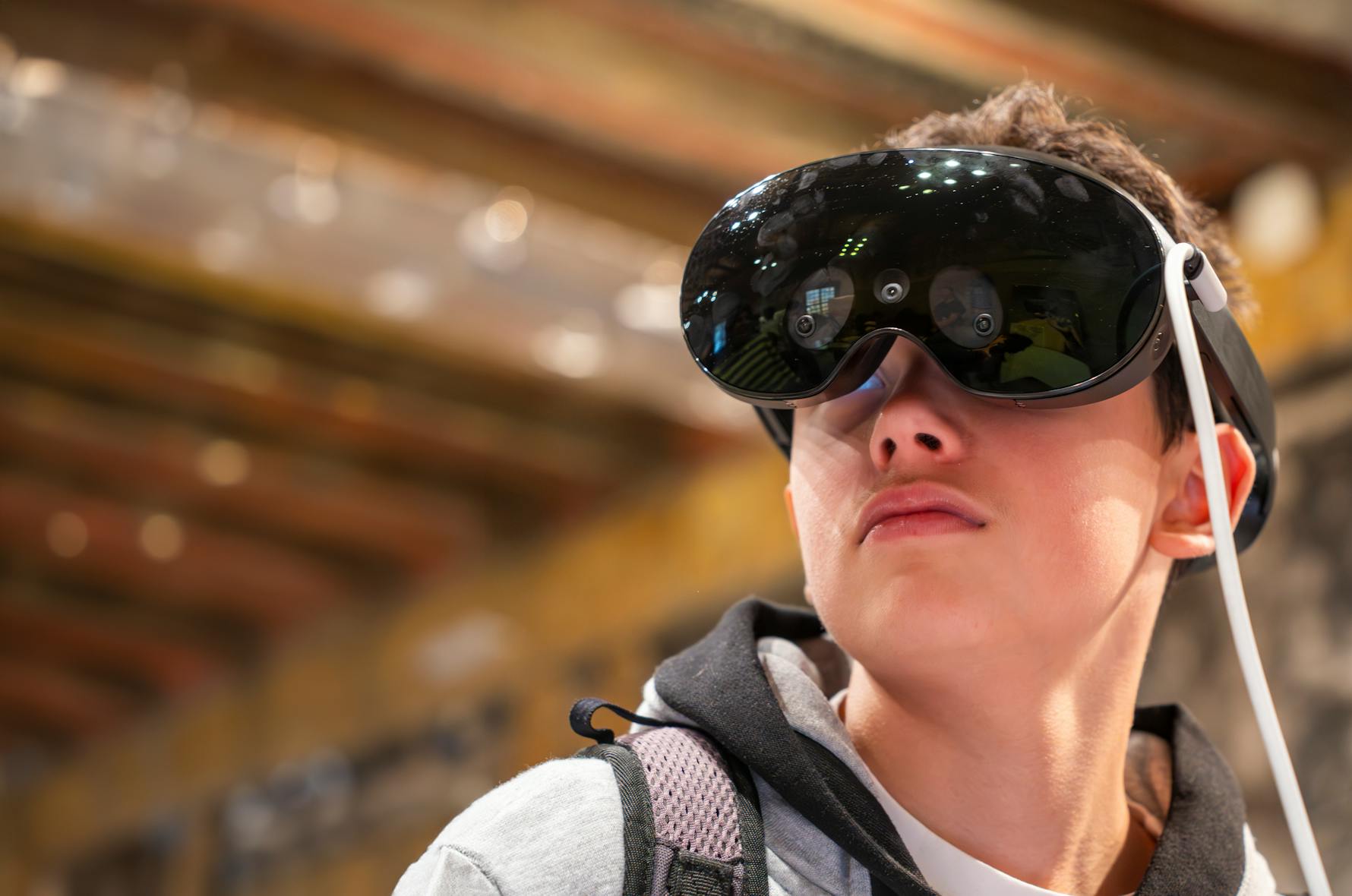
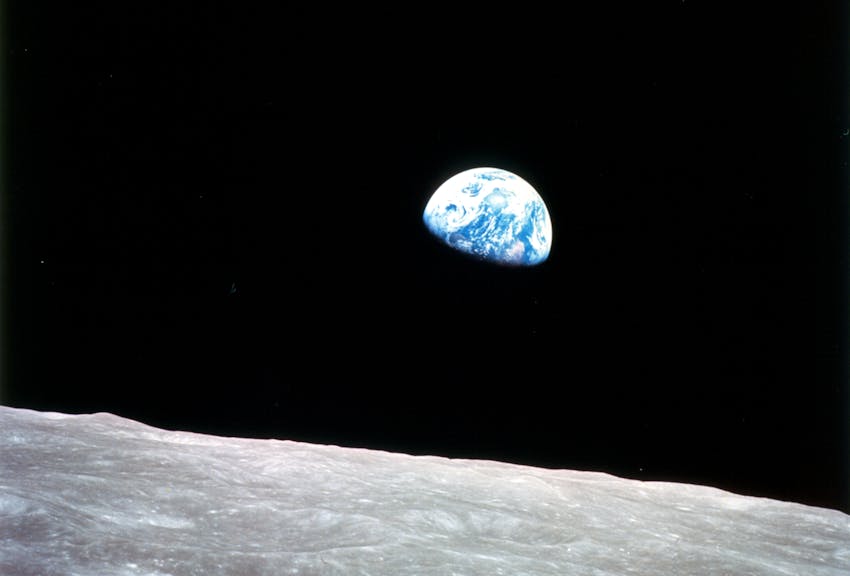
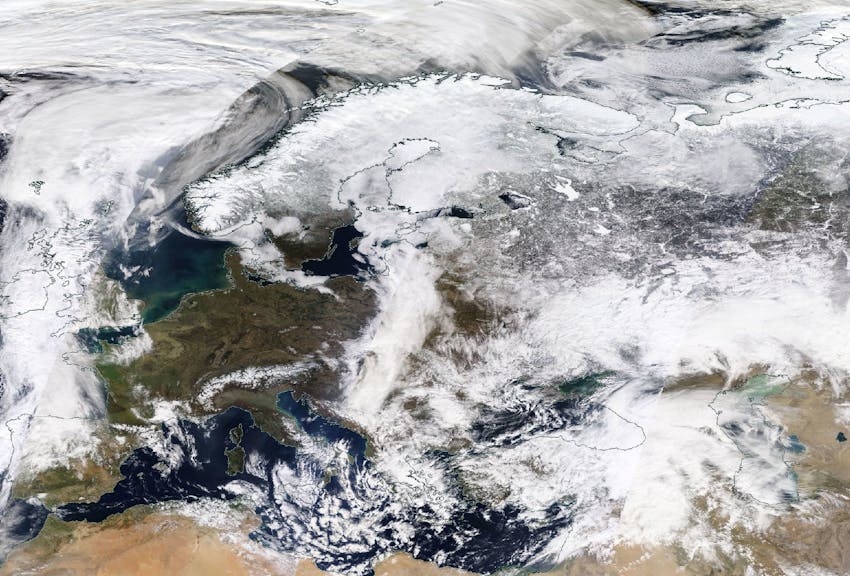
A brief history of Earth observation from Renaissance paintings to stacks of satellite images
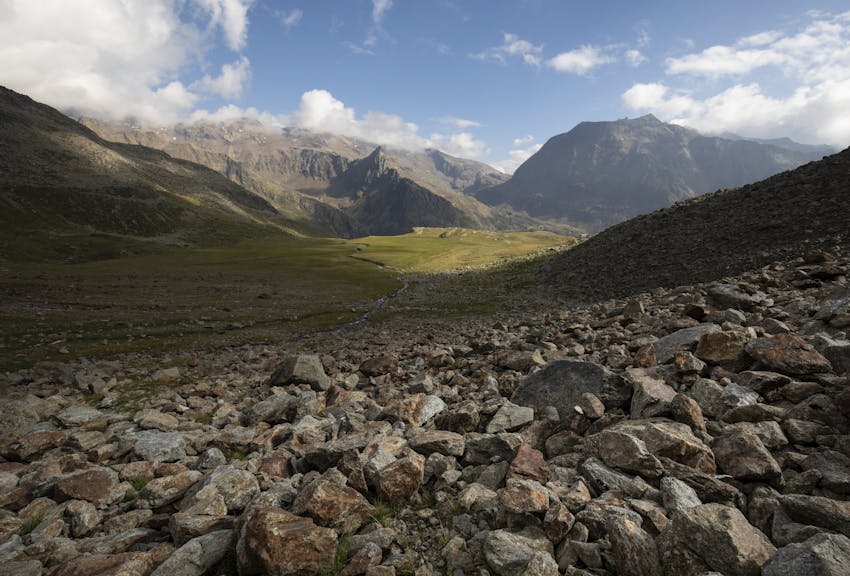
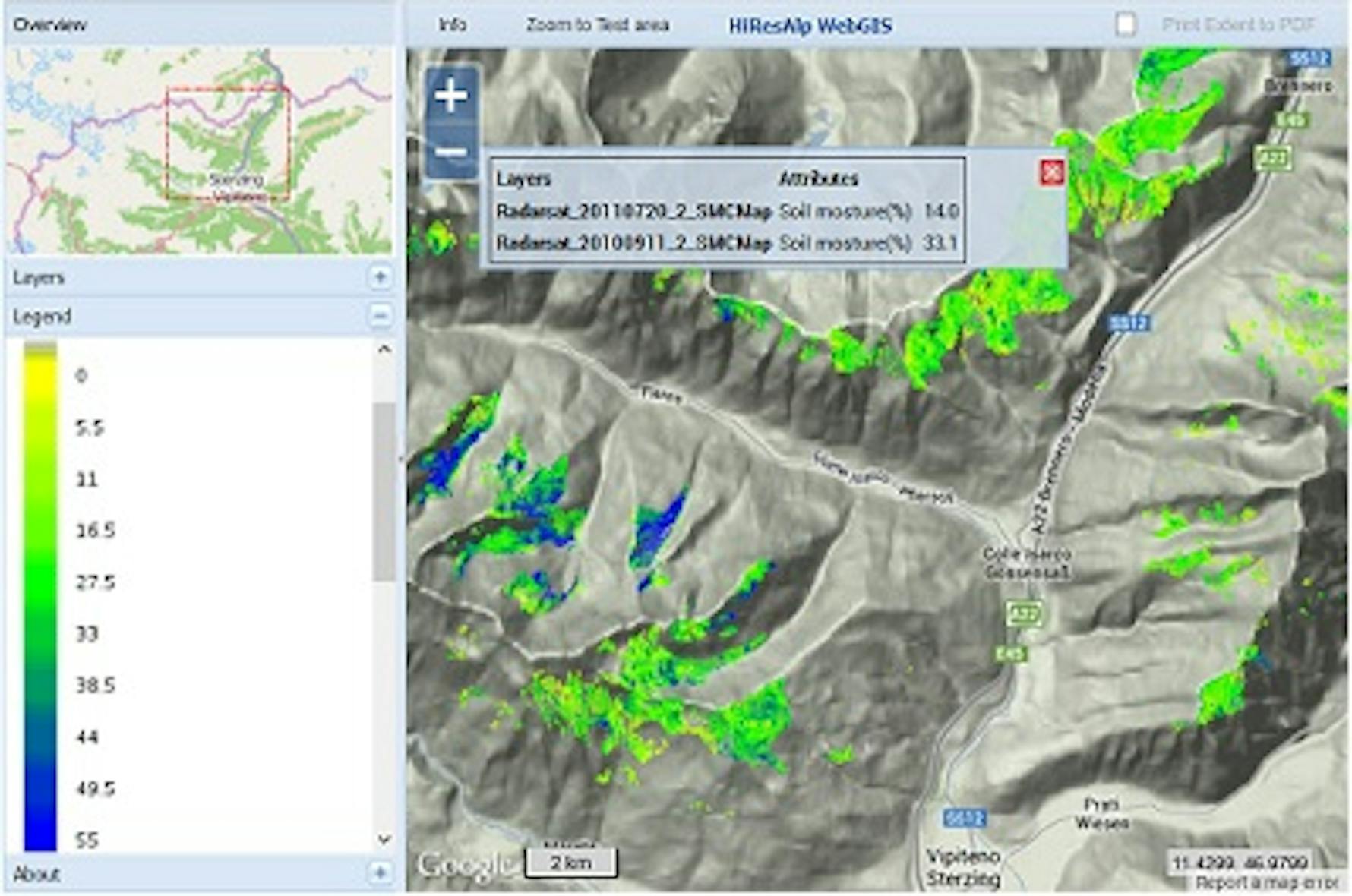

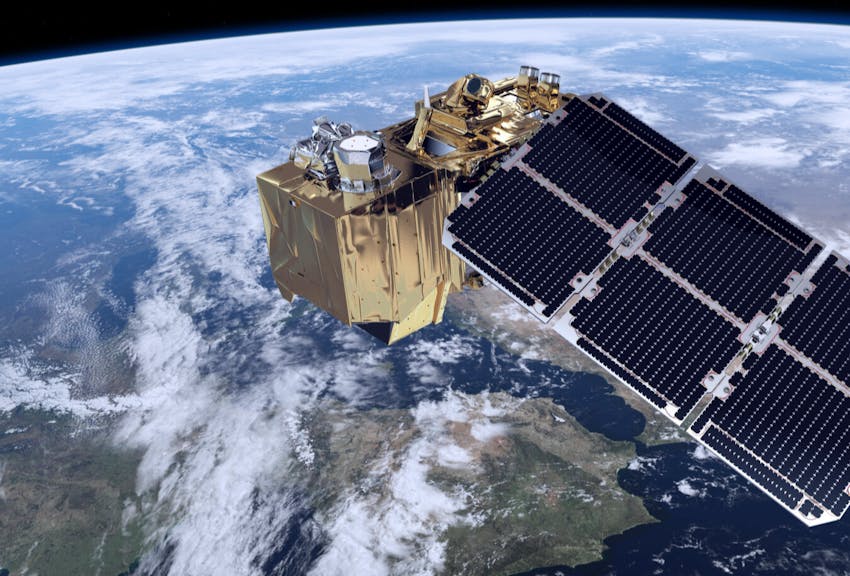
At the Institute for Earth Observation, satellites are being used to protect farmers from drought damage
La stampa nazionale richiama i dati del Dossier Neve
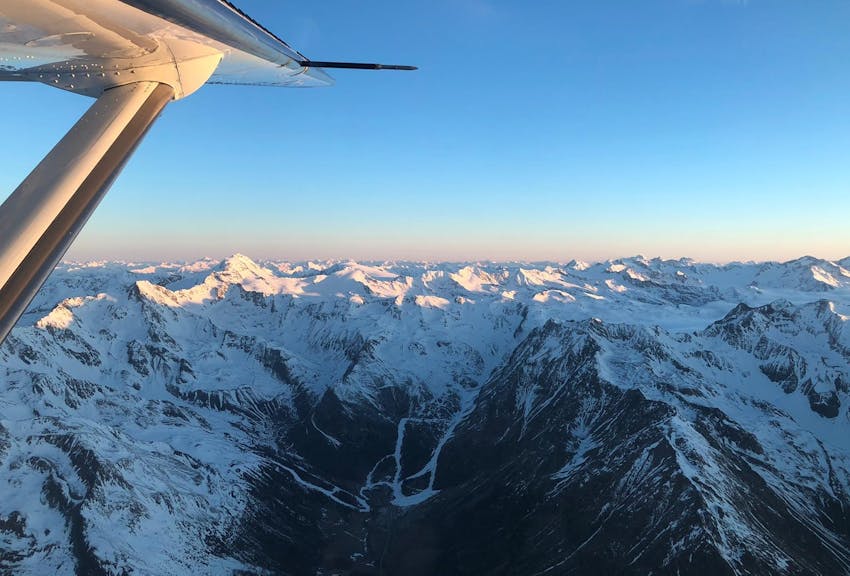

Conversations between disciplines: interview with physicist Claudia Notarnicola and emergency physician Giacomo Strapazzon.
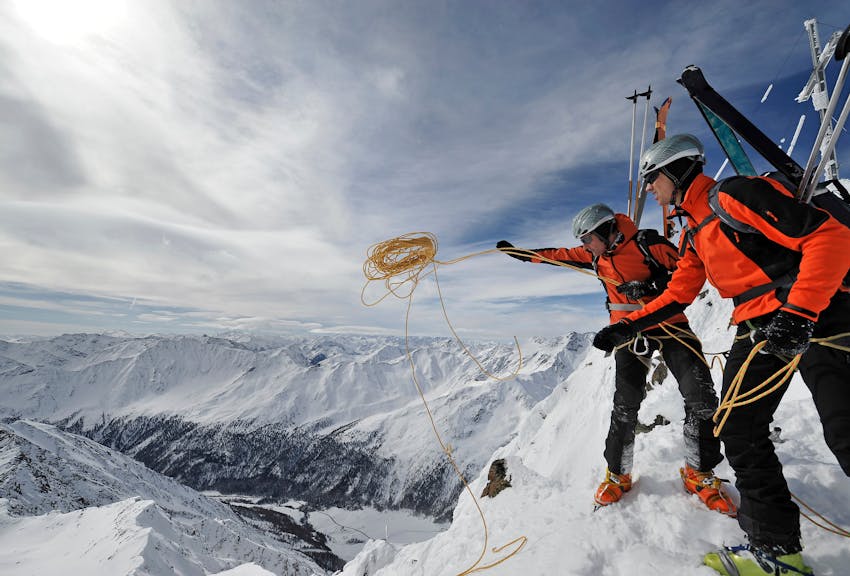
Wie schätzen Menschen das Risiko ein und wie bereiten sie sich vor?
Anhand ausgewählter Indikatoren macht das „Klimawandel Monitoring Südtirol“ Veränderungen des Klimas und die Auswirkungen sichtbar
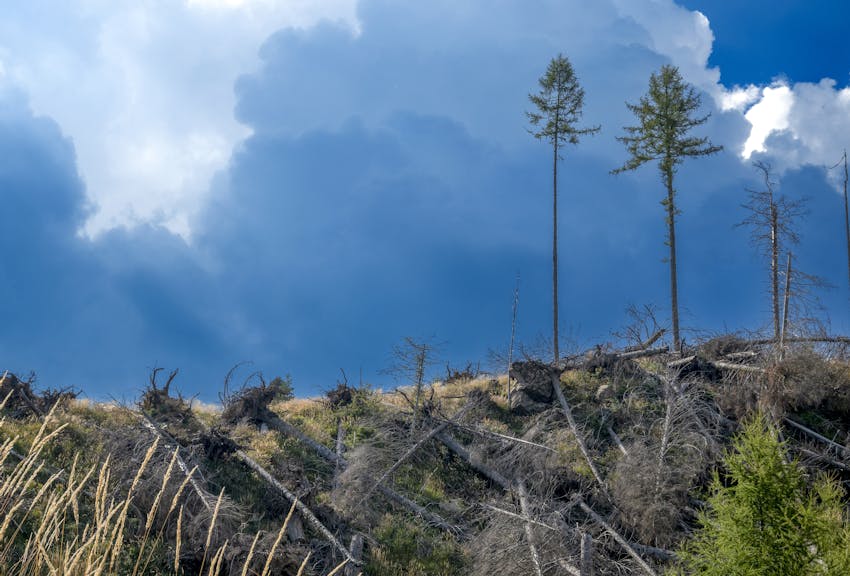
Since 1981, a research project has analysed the extreme events that have affected certain Alpine regions. The results of which have enabled new models to manage them better.
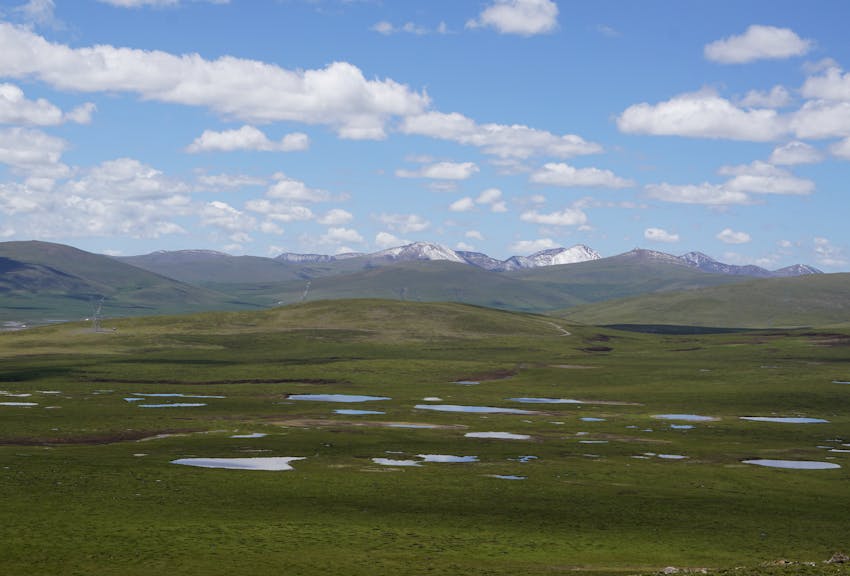
What are thermokarst lakes and why soil warming should worry us even more than air warming
Conversations between disciplines: interview with director of Eurac Research Stephan Ortner and geoecologist Marc Zebisch.
Neues fortlaufend aktualisiertes Portal macht Anomalien sichtbar
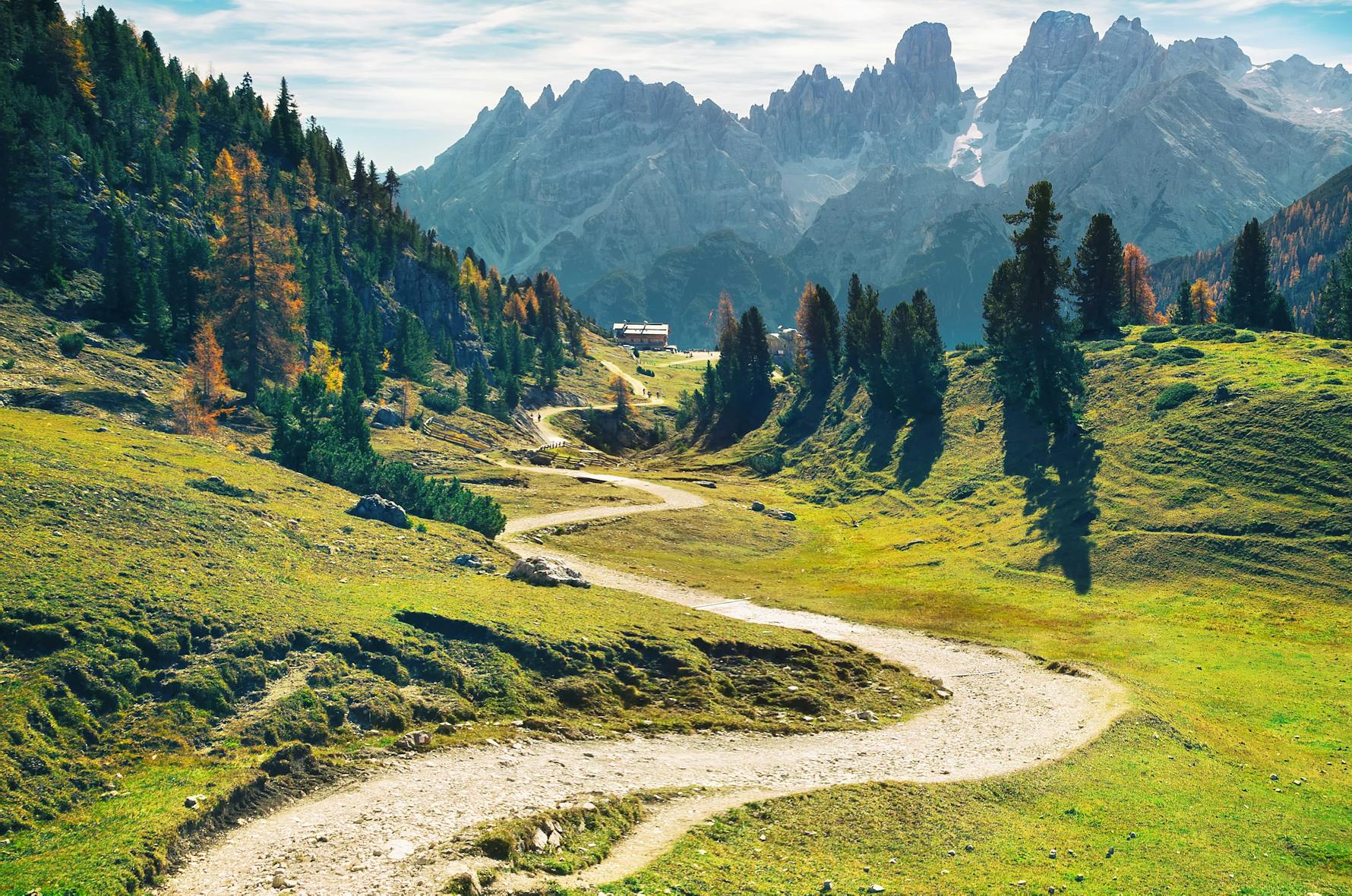
Eurac Research hat im Auftrag des Landes eine umfassende technische Studie erstellt
La stampa richiama gli studi del matematico di Eurac Research Michael Matiu
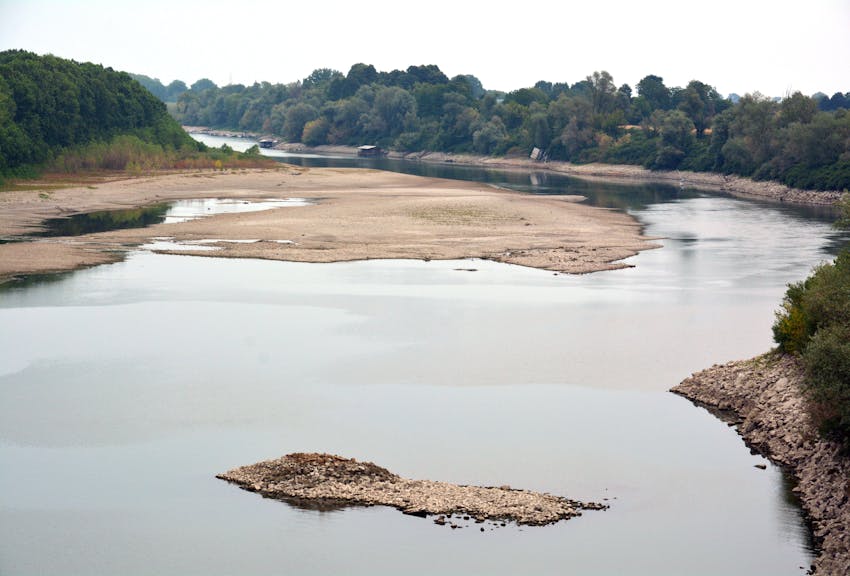
New web application monitors water supplies stored in the form of snow throughout the Alps
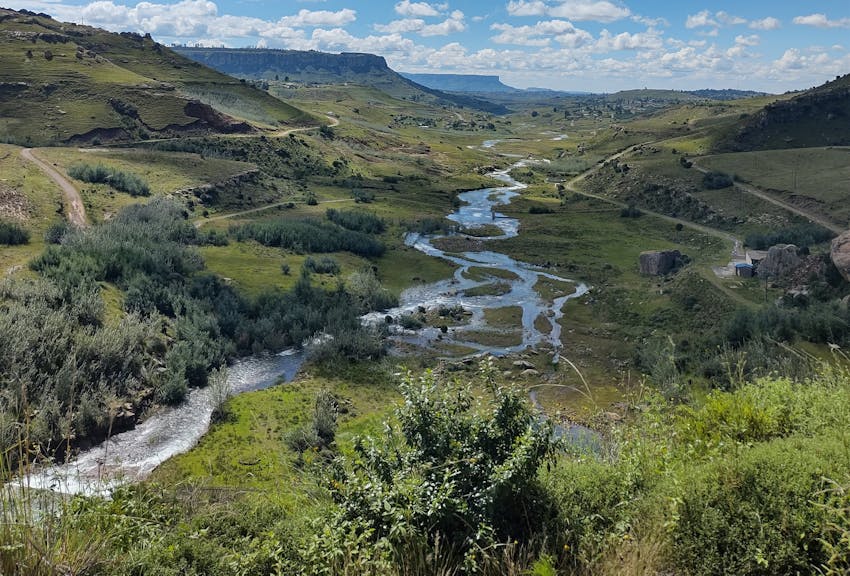
Mathematical models for drought management would be more effective if they used social and cultural variables - how these solutions can best be integrated is the subject of ...
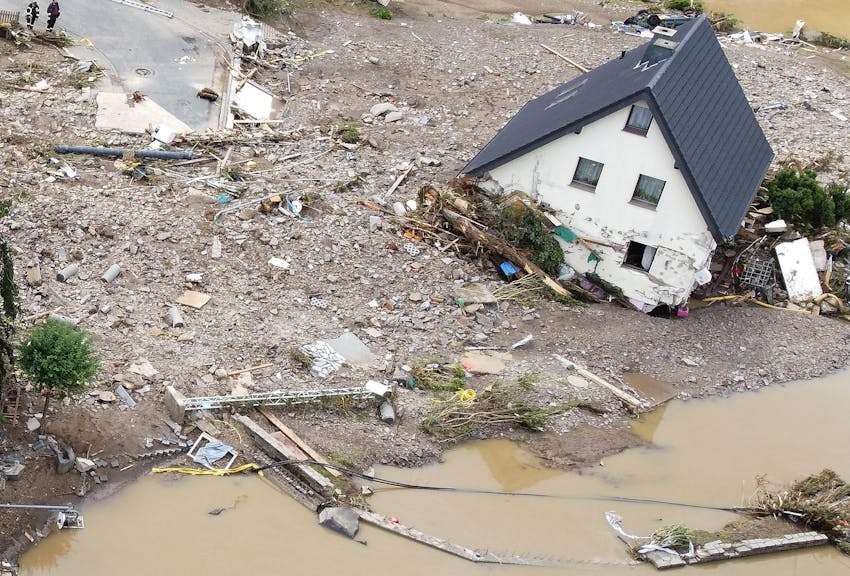
Predicting climate-related hazards has become more complex than ever due to climate change. A team of experts from Eurac Research have recently published an official guide for ...
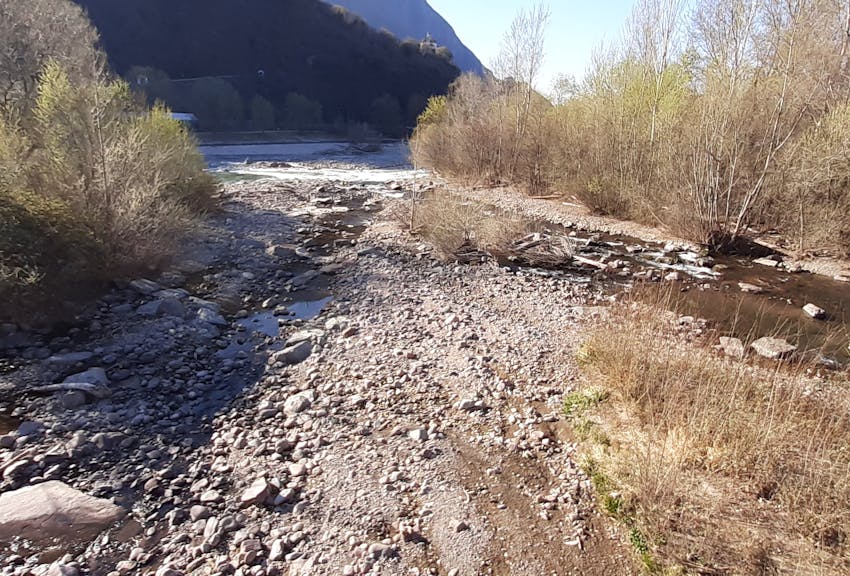
Tales from the community using Open-Source software to create their own working tools
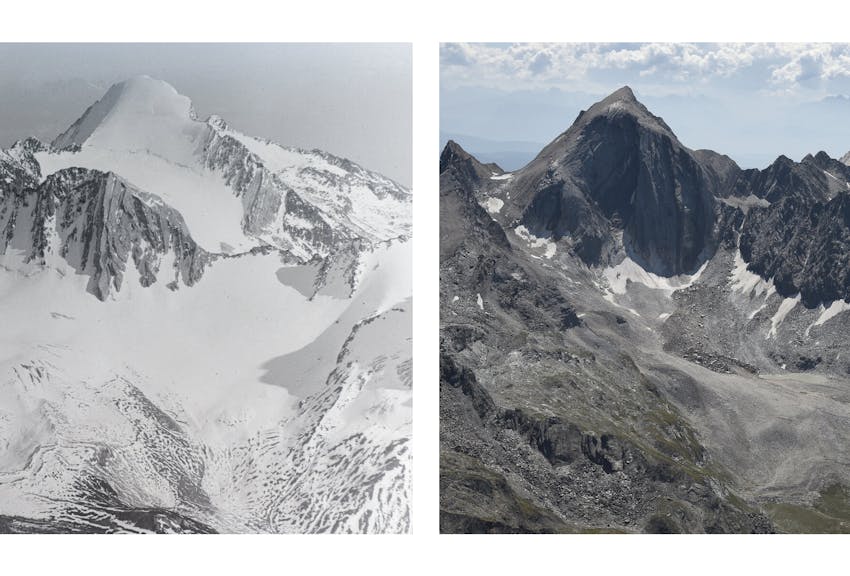
Detaillierte Satellitendaten „fotografieren“ die Evolution der Süd- und Nordtiroler Gletscher
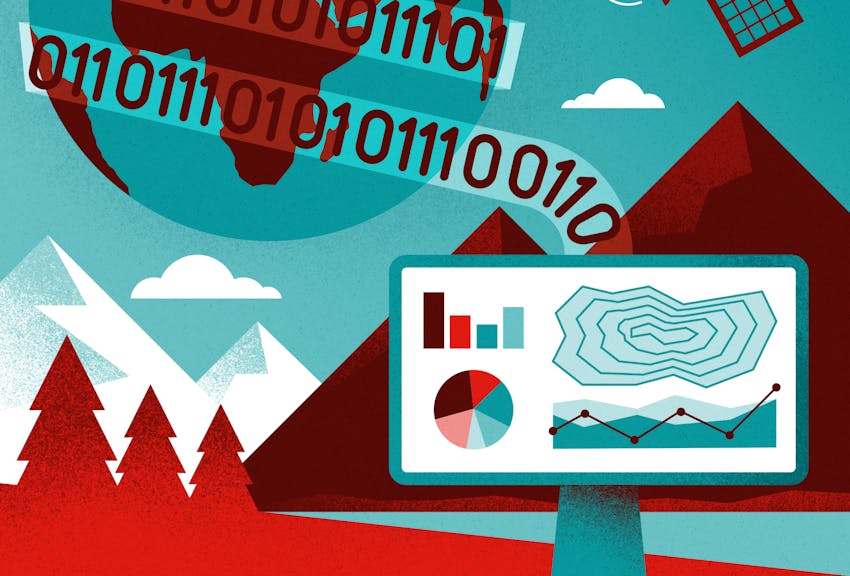
Die Forschung hat mehr Daten denn je zur Verfügung – und mit Künstlicher Intelligenz auch die Technologie, um daraus möglichst viel Erkenntnis zu gewinnen
Al via un progetto per tutelare gli agricoltori dai danni causati dalla siccità
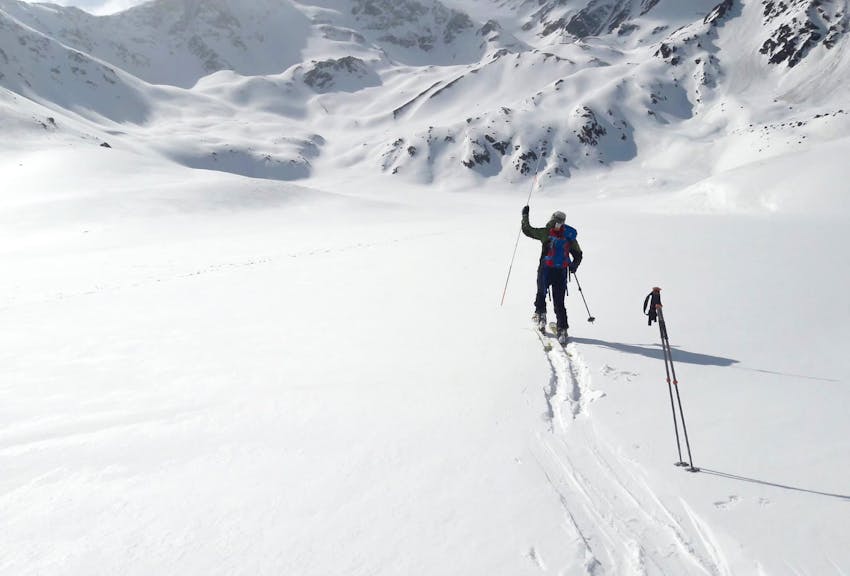
Wieviel Schnee ist in einer Saison gefallen? Um wieviel sind die Schneehöhen in den letzten Jahrzehnten zurückgegangen? Die Forschung gibt immer genauere Antworten
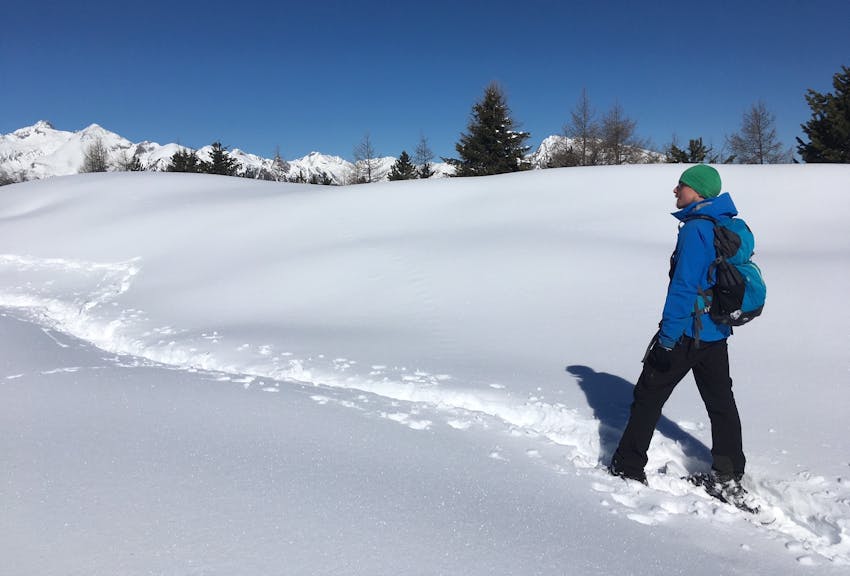
E non è l’unica cosa che sta cambiando per la neve. Lo racconta Michael Matiu, matematico e ciaspolatore.
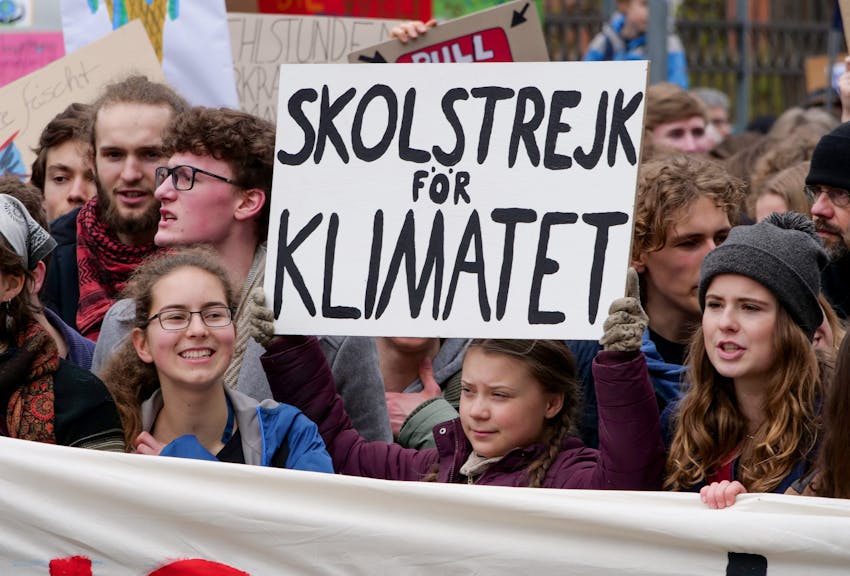
Die "Scientists for Future" Kris Krois und Marc Zebisch im Gespräch
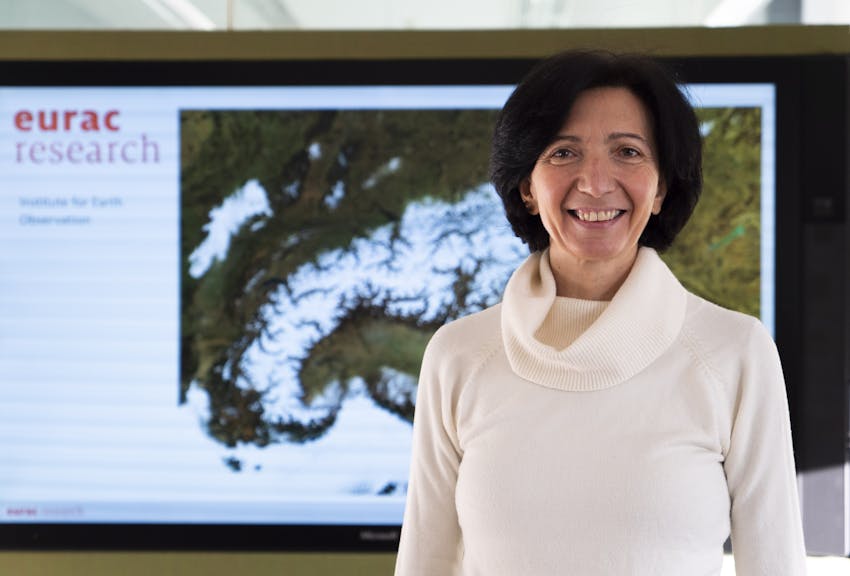
Die Physikerin Claudia Notarnicola erhält den Südtiroler Wissenschaftspreis „Woman in Science“
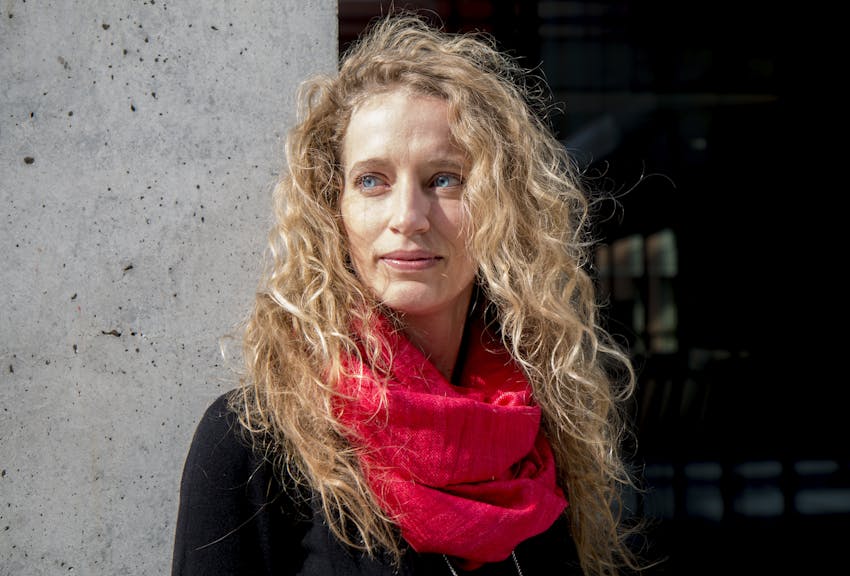
Lidia Pedoth on the importance of communication when it comes to identifying, assessing and reducing the risks of disaster.
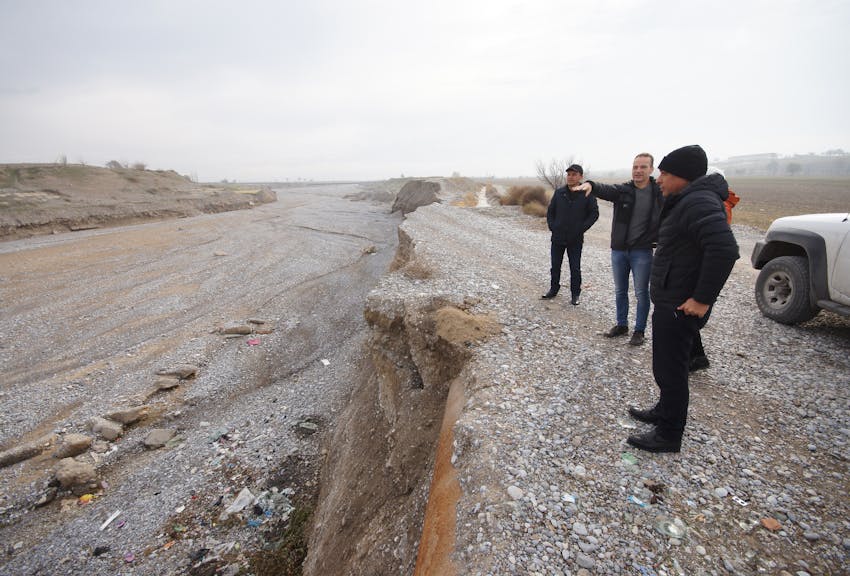

Eurac Research is a private research center based in Bolzano (South Tyrol) with researchers from a wide variety of scientific fields who come from all over the globe. Together, through scientific knowledge and research, they share the goal of shaping the future.

Our research addresses the greatest challenges facing us in the future: people need health, energy, well-functioning political and social systems and an intact environment. These are complex questions, and we are seeking the answers in the interaction between many different disciplines. [About us](/en/about-us-eurac-research)
Eurac Research Headquarter
Viale Druso 1
39100 Bolzano
Italy
Eurac Research NOI Techpark
Via A.-Volta
39100 Bolzano
Italy
Except where otherwise noted, content on this site is licensed under a Creative Commons Attribution 4.0 International license.
 My cookie preferences