


Where change takes root
Documenting adaptation in the Andes with Lina Rodriguez
Mountain regions are particularly vulnerable to the impacts of climate change yet also highly receptive to sustainable development. These areas are at the crossroads of rapid warming and the livelihoods of over a billion people worldwide depend directly or indirectly on their ecosystems. To better understand how communities are adapting, Lina Rodriguez, a researcher at GLOMOS and PhD student at the University of Geneva within the Adaptation at Altitude programme, funded by the Swiss Agency for Development and Cooperation (SDC), conducted a research mission in the Andes of Argentina and Colombia this May. Working closely with local partners, Lina evaluated climate adaptation solutions designed and implemented to enhance community resilience and safeguard fragile mountain ecosystems.


Lina Rodriguez durante un’intervista con un membro della comunità locale di Tambillo, provincia di Jujuy, Argentina
Credit: Lina Rodriguez | All rights reserved“Adaptation solutions are not just technical measures – they foster education, spark innovation, and diversify the sources of income within communities, strengthening both the resilience of people and the ecosystems they rely on.
Lina Rodriguez
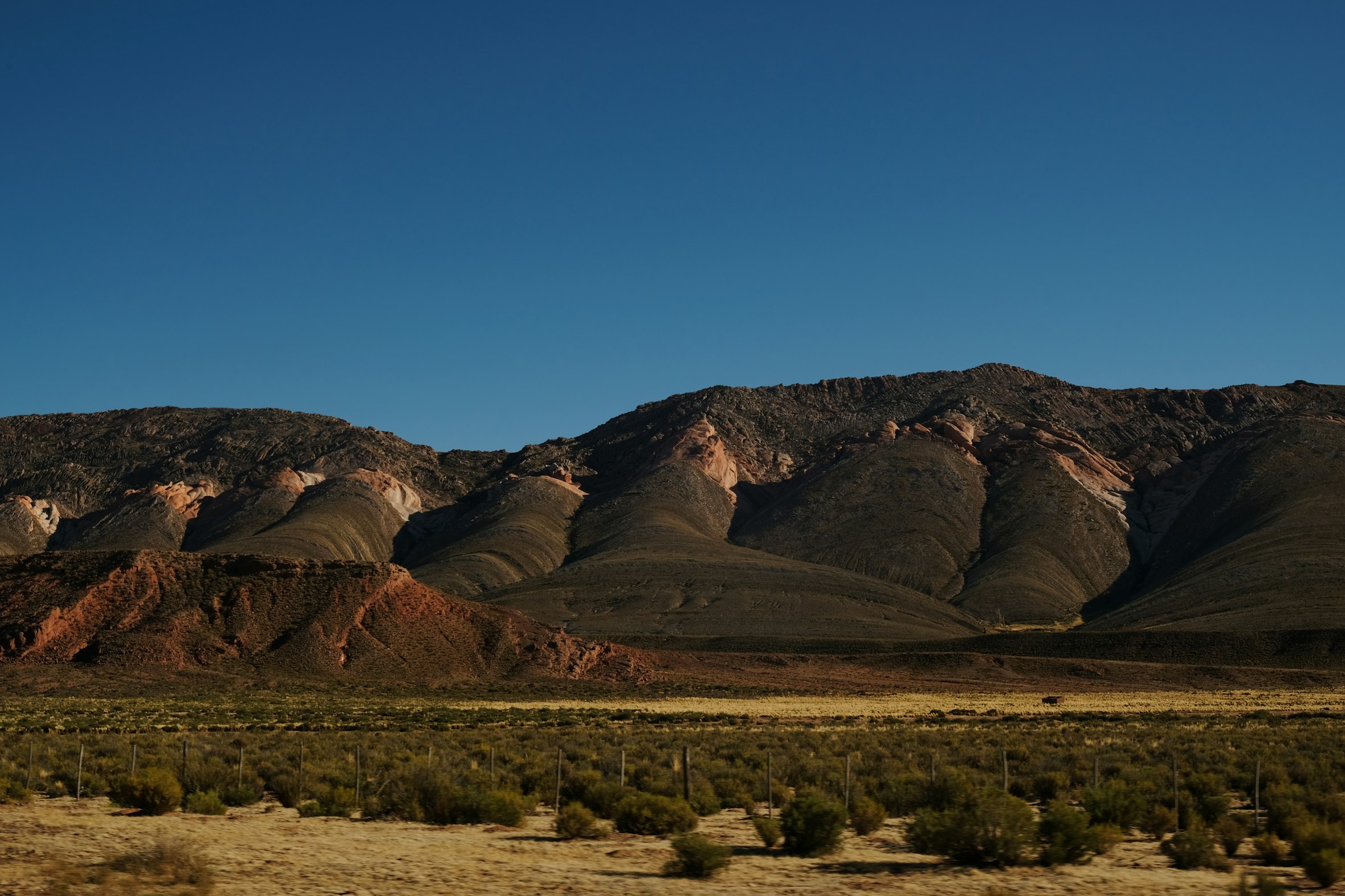
Montagne lungo la strada in direzione di Purmamarca, provincia di Jujuy, Argentina
Credit: Lina Rodriguez | All rights reserved“Adaptation solutions are not just technical measures – they foster education, spark innovation, and diversify the sources of income within communities, strengthening both the resilience of people and the ecosystems they rely on.” Lina states, before going on emphasize, “Migration among younger generations has led to the abandonment of communities and traditional practices. Successful adaptation solutions can also make returning home a viable and attractive option.”
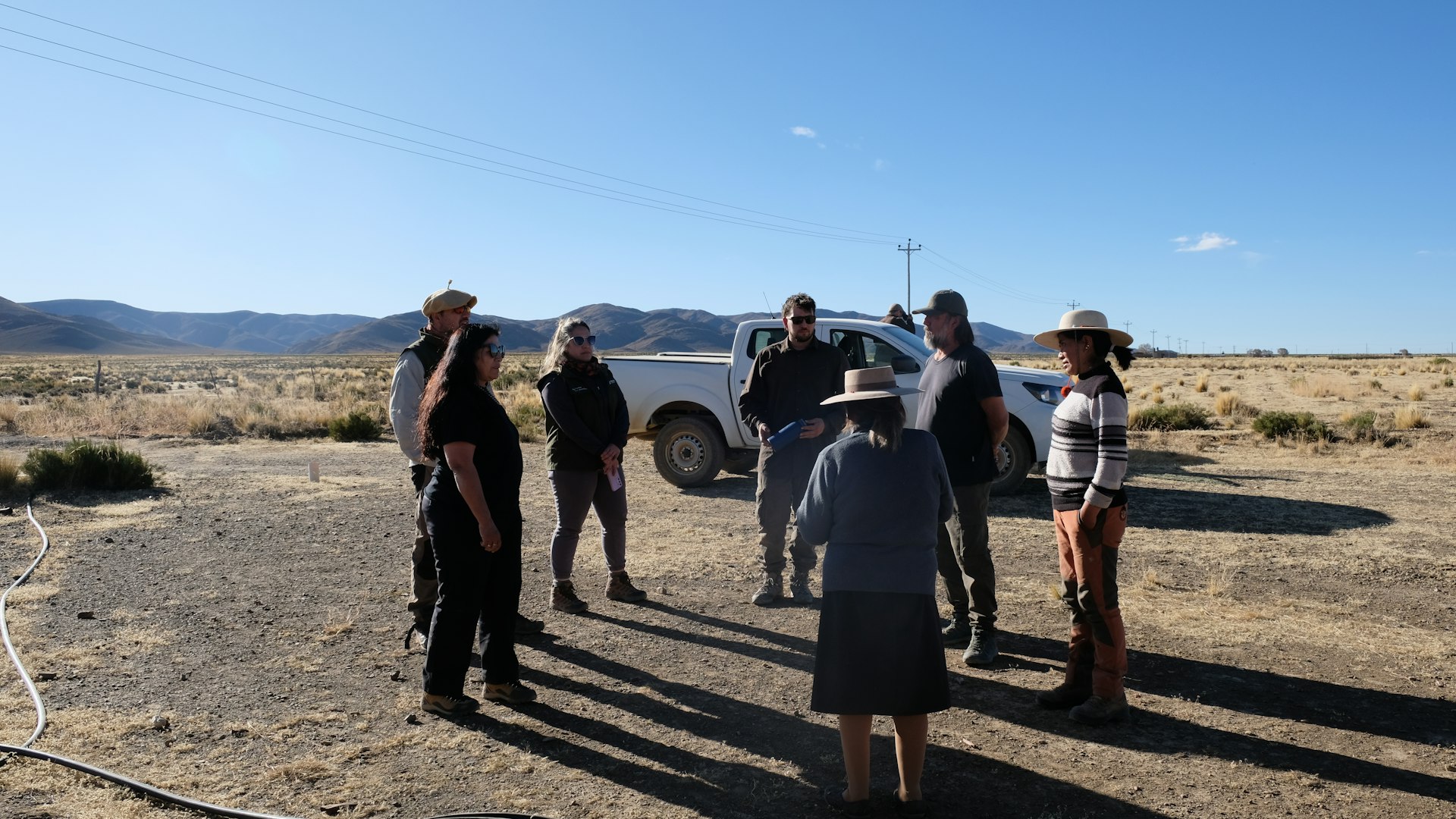
Wetlands International technicians with community members near Laguna de Pozuelos. Jujuy Province, Argentina.
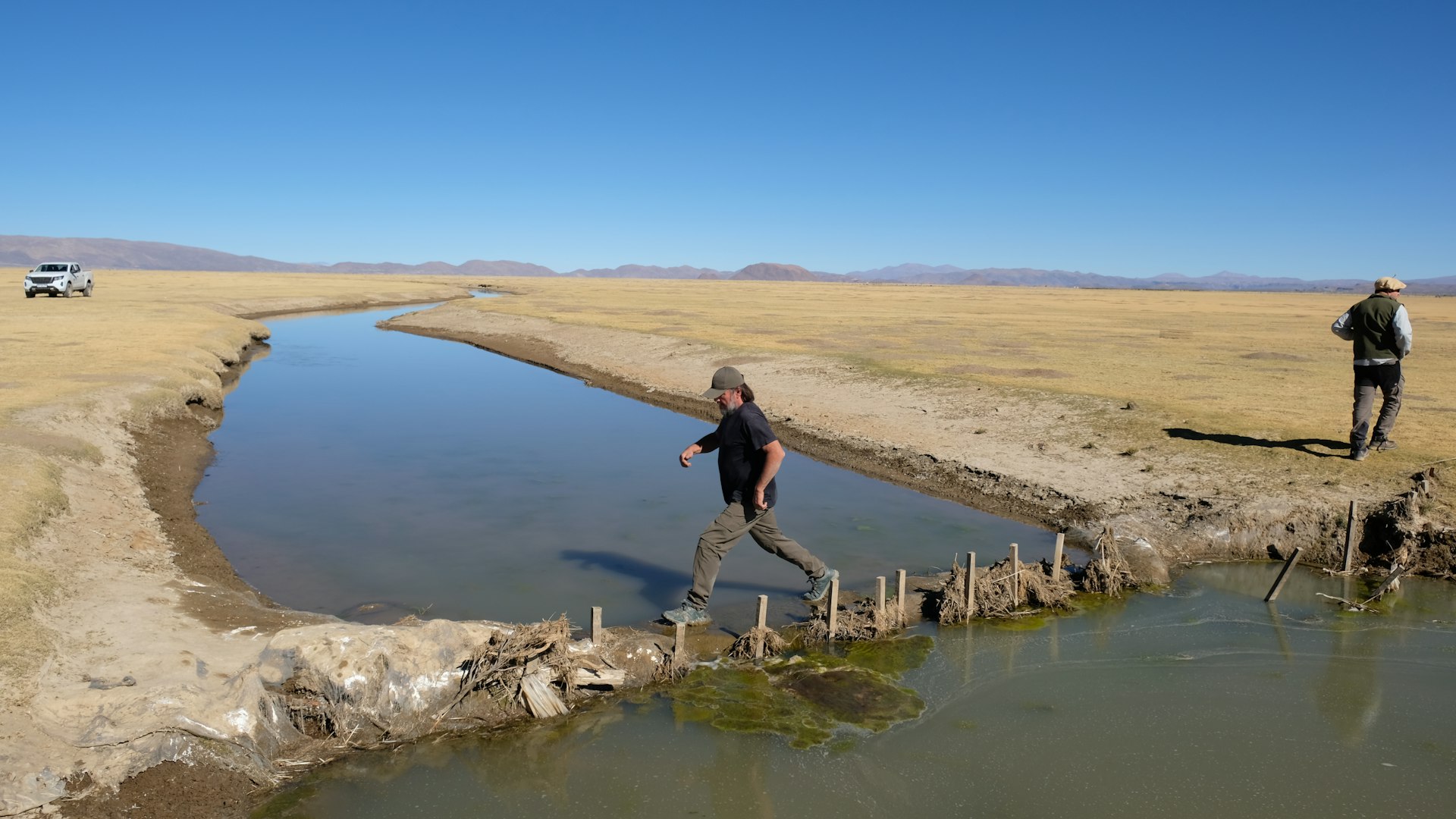
Wetlands International technicians showing the result of a wetland restoration intervention. Laguna de Pozuelos Biosphere Reserve, Jujuy Province, Argentina.
In Colombia’s Lake Tota basin, intensive spring onion farming is placing significant pressure on water resources and biodiversity. In response, communities are turning to sustainable tourism, especially birdwatching as a way to balance conservation and income generation. Meanwhile, in Argentina’s high-altitude Puna region, increasingly erratic rainfall and prolonged droughts are degrading wetlands and grasslands. Here, nature-based solutions aimed at restoring wetland water retention and distribution are helping communities mitigate soil erosion and support livestock. In addition, interventions such as installing solar pumps have transformed daily life, especially for women who once spent hours collecting water by hand for their families and livestock.


Lina explains “Meaningful community involvement, together with the inclusion and respect of Indigenous and local knowledge from the very start of initiatives, is key for successful adaptation. Long-standing cultural ties to the land, local leadership, and collaborative planning efforts have all contributed to stronger, more resilient communities and ecosystems.” Underscoring the importance of collaborating with organizations that are trusted and have established long-term partnerships is the compelling reminder that, as Lina sums up, “Effective solutions often emerge when we listen to those who know their territory best.”

Members of communities in the Lake Tota basin who have started community-based tourism initiatives and young workers at the High Mountain Propagation and Germination Center. Tota, Boyaca, Colombia.
Credit: Eurac Research | Lina RodriguezAdaptation strategies in the Andes









 My cookie preferences