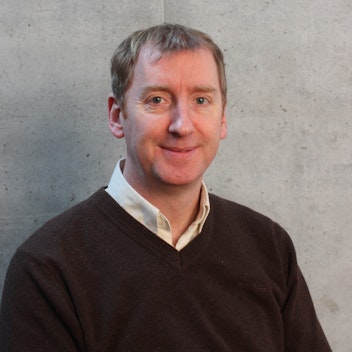
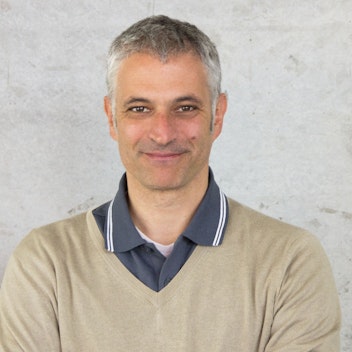
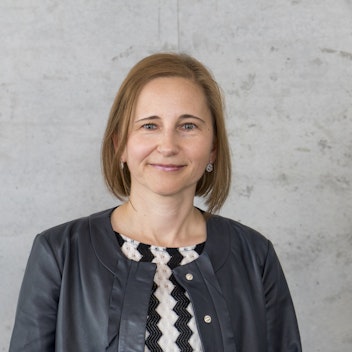
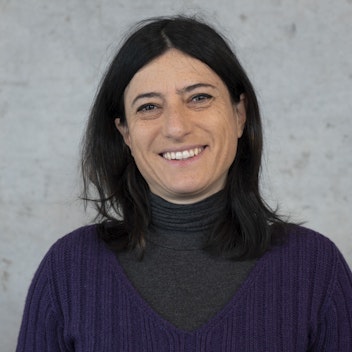
Credit: Eurac Research | Daniele Fiorentino
Contact


Eurac Research is a private research center based in Bolzano (South Tyrol) with researchers from a wide variety of scientific fields who come from all over the globe. Together, through scientific knowledge and research, they share the goal of shaping the future.

Our research addresses the greatest challenges facing us in the future: people need health, energy, well-functioning political and social systems and an intact environment. These are complex questions, and we are seeking the answers in the interaction between many different disciplines. [About us](/en/about-us-eurac-research)
Eurac Research Headquarter
Viale Druso 1
39100 Bolzano
Italy
Eurac Research NOI Techpark
Via A.-Volta
39100 Bolzano
Italy
Except where otherwise noted, content on this site is licensed under a Creative Commons Attribution 4.0 International license.
 My cookie preferences